
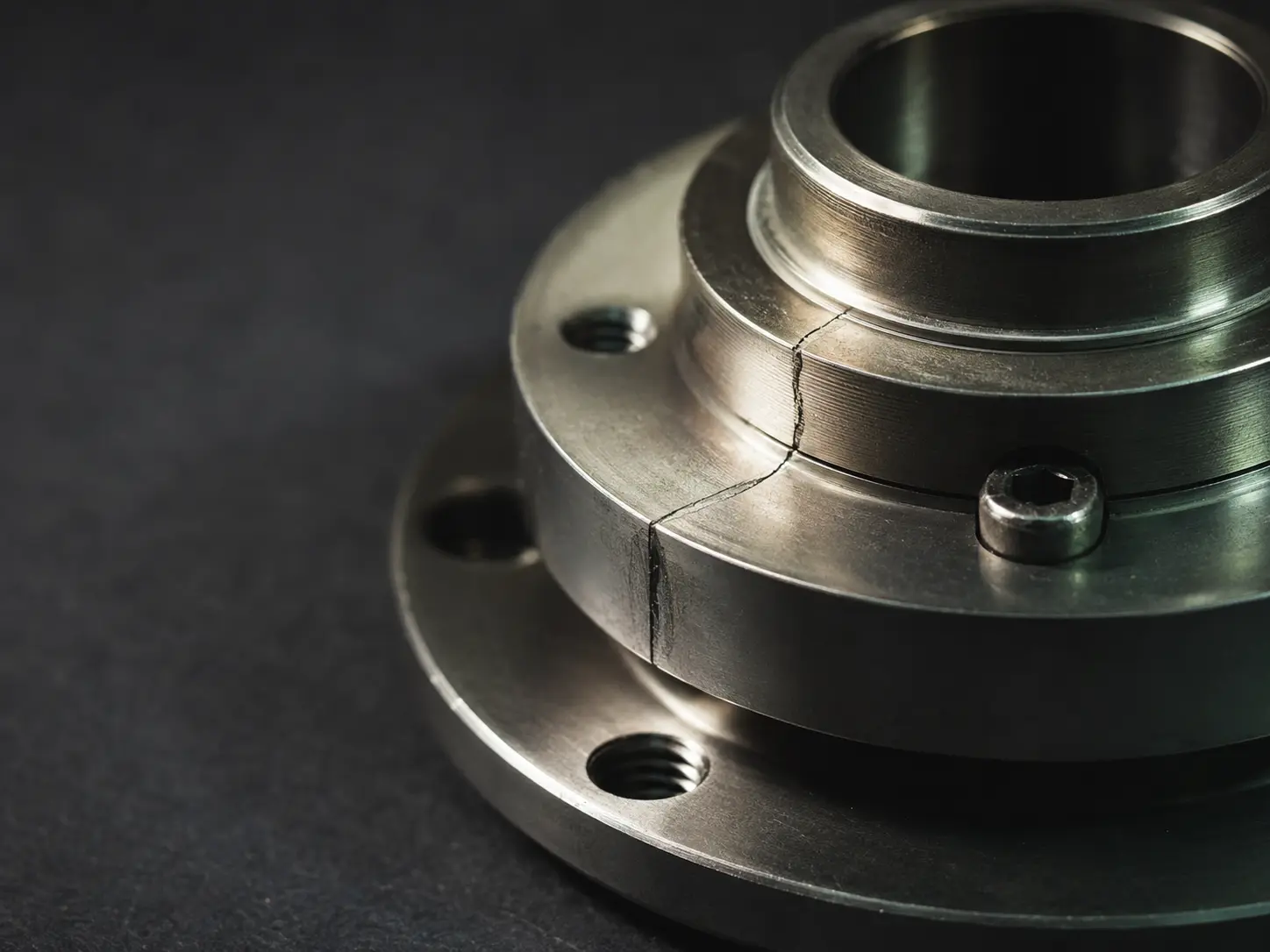
A product may cause injury because its design is unreasonably dangerous, it departed from the intended manufacturing process, or its warnings and instructions were inadequate. These claims often require technical expertise and access to information held by the manufacturer or seller.
Fusco Law evaluates product history, alternative designs, warnings, similar incidents, regulatory information, and the chain of distribution. Preserving the product in its post-incident condition is often one of the most important first steps.
Matters the firm evaluates
- Unsafe consumer products
- Industrial machinery
- Power tools and equipment
- Vehicle and component defects
- Medical device injuries
- Battery and fire incidents
- Inadequate warnings
- Manufacturing failures
Developing the evidence
- Product preservation and inspection
- Design and manufacturing records
- Warnings and instructions
- Recall and regulatory information
- Prior incidents and complaints
- Engineering and human-factors analysis
Frequently asked questions
Should I keep the product after an injury?
Yes, when it can be done safely. Do not alter, discard, repair, or return the product without legal advice. Its condition may be critical evidence.
Does a product need to be recalled for there to be a claim?
No. A recall may be relevant, but a product can be defective even when no recall has been issued.
Who can be responsible for a defective product?
Depending on the facts and law, potential parties may include manufacturers, component suppliers, distributors, sellers, lessors, or service entities.