
A serious fall or other property-related injury is rarely explained by the phrase “slip and fall.” The case may require proof about inspection practices, cleaning records, prior complaints, weather, surveillance, construction, lighting, security, or the responsibilities of multiple property entities.
Fusco Law examines how the condition developed, who controlled the property, and what notice existed. The aim is to replace general allegations with concrete evidence about preventability.
Matters the firm evaluates
- Snow and ice conditions
- Supermarket and retail accidents
- Sidewalk and parking-lot defects
- Inadequate lighting
- Negligent security
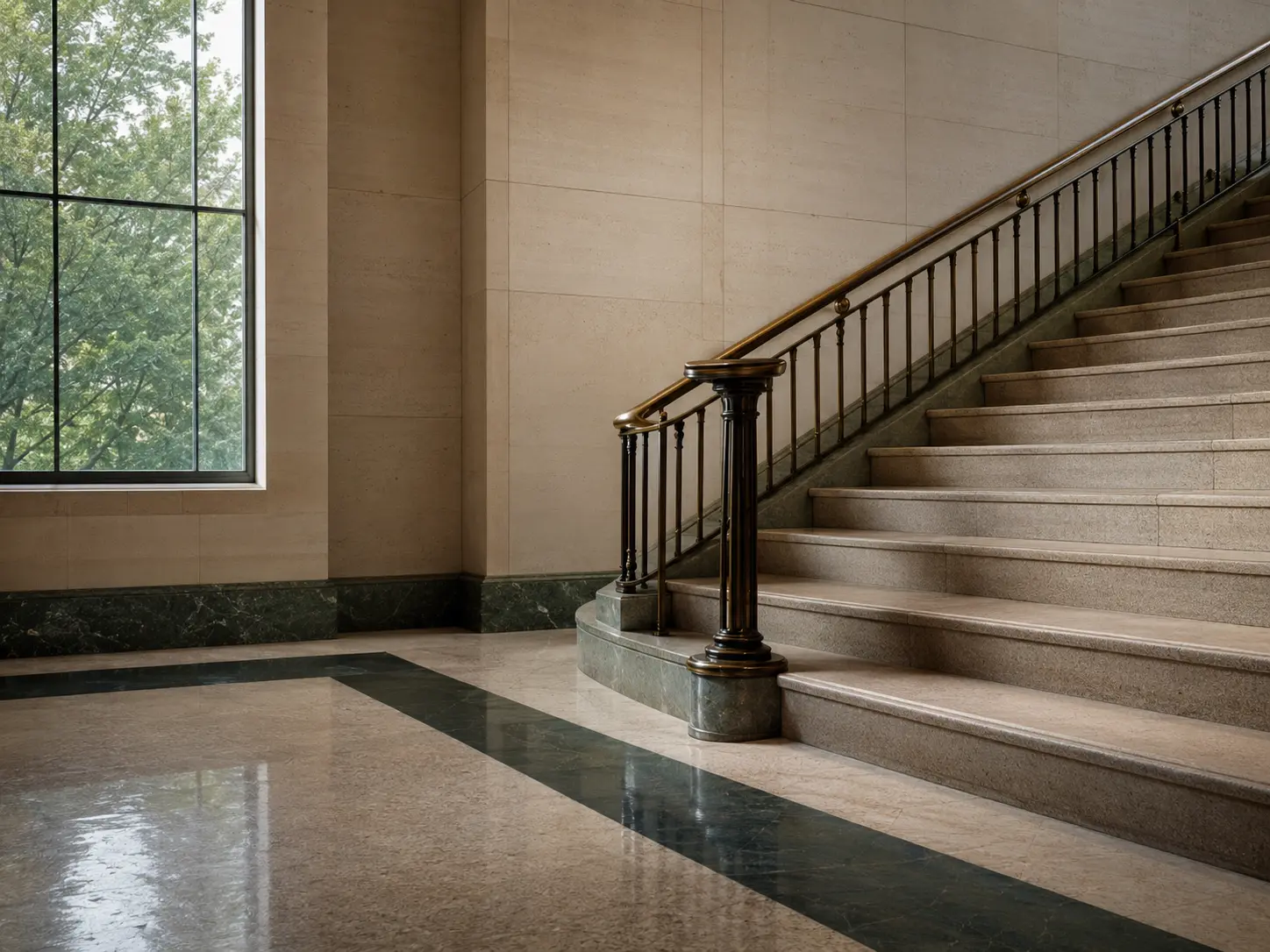
- Stairway and handrail defects
- Falling merchandise
- Apartment and commercial property hazards
Developing the evidence
- Surveillance and incident reports
- Inspection and maintenance records
- Weather and snow-removal evidence
- Leases and property-management agreements
- Prior complaints and similar incidents
- Engineering and safety standards
Investigating New Jersey premises liability claims
Fusco Law evaluates injuries involving stores, sidewalks, parking areas, rental properties and other premises. Winter snow and ice incidents are part of this practice, alongside year-round concerns such as spills, uneven surfaces and unsafe stairs.
The specific condition, its location and the circumstances of the incident.
Who owned, occupied, maintained or controlled the relevant area.
Available photographs, video, incident reports and maintenance records.
The injury’s effect on mobility, independence, work and daily life.
Michael B. Fusco works directly with clients and, when appropriate, family members helping them. The firm serves Central New Jersey from its Bridgewater office; a county service page describes an area served, not a separate office.
The New Jersey Courts’ model civil jury charges provide background on negligence and property-condition cases. The applicable duties and instructions depend on the property, the parties and current law; a fall by itself does not establish liability.
Learn about Michael B. Fusco’s experience and credentials and visiting our Central Jersey office.
Frequently asked questions
Is a property owner automatically responsible for a fall?
No. Liability generally depends on the dangerous condition, control of the property, actual or constructive notice, and whether reasonable steps were taken.
What if the condition was cleaned up immediately?
Photographs, witness information, incident reports, surveillance, clothing, and medical records may still help document what happened. Preservation requests should be considered promptly.
Can more than one company be responsible?
Yes. Owners, tenants, managers, maintenance companies, contractors, and security providers may have different responsibilities under contracts and the law.