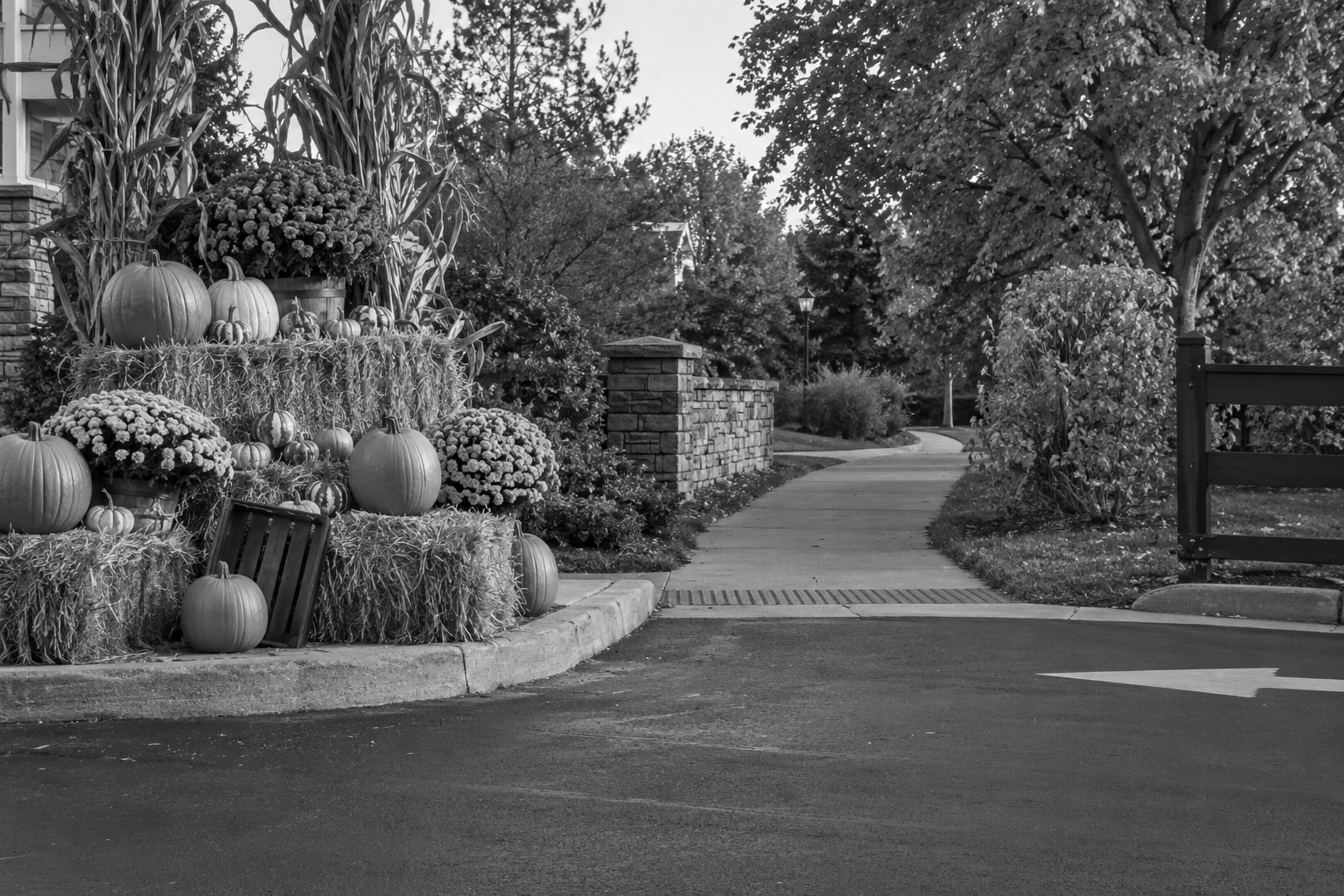
When do decorative displays become a traffic issue?
When decorative displays obstruct a pedestrian route or approaching traffic, their placement can become important evidence after a collision. I would examine how the display affected visibility and who was responsible for putting it there. An unsafe layout may support a claim when it contributed to the injury.
Examining both the sight lines and the driving helps identify every contributing cause of the collision. Photographs from the sidewalk and information about the view inside the vehicle can help explain the same event from both positions. Developing that picture helps us address competing accounts of what the driver could see.
How do we document decorative displays and sight lines?
Wider photographs and measurements can show how the display related to the road and the pedestrian's approach. I would want to establish when the pedestrian first became visible and the space available for the driver to respond. Those details help turn an observation about obstructed visibility into evidence relevant to the claim.
Setup photographs or video may help reconstruct a display that has already been removed. Witnesses can describe what they observed, and a qualified expert may help assess visibility and reaction time where needed. I would also examine any parked vehicles or other obstructions so the reconstruction reflects the conditions at the time.
Who had authority to move the display?
The business that owned the decorations may not have chosen their final location. An organizer may have assigned the space or directed a vendor to place them there. Contracts can help identify those roles, but the instructions actually given at the site matter as well.
I would follow the instructions and setup records to identify who selected the location and who had authority to correct a problem. A vendor's involvement and an organizer's retained responsibilities may both matter. That investigation helps identify the parties whose decisions affected the safety of the route.
What about the driver’s responsibility?
Drivers must use reasonable care for the conditions they encounter, including a limited view near a busy pedestrian area. I would examine the approach and available warning to understand whether slowing or stopping was needed. An obstructing display is a reason to investigate the driving carefully as well as the placement of the display.
Unsafe placement and careless driving may both contribute to a collision. I would develop the evidence for each role so the assessment accounts for the full event. New Jersey comparative-fault principles require an evidence-based allocation, and a child's conduct must be considered under the applicable child standard rather than simply judged as an adult's.
Identify public and private responsibilities early
If the town approved a layout or participated in traffic control, I would identify its actual role and examine the applicable law. Tort Claims Act requirements and immunities can affect a public-entity claim. A private vendor or driver's responsibilities should receive separate review so that possible claims are investigated under the correct standards.
Public-entity notice generally must be addressed within 90 days of claim accrual, subject to applicable exceptions. That issue should be considered while the facts are being developed. Waiting until every sight-line question is answered may jeopardize a claim that required earlier action.
Related reading
Why Can Event Traffic Plans Matter After a Pedestrian Collision?
Sources and further reading
About Michael B. Fusco
I am Michael B. Fusco, a New Jersey personal injury attorney Certified by the Supreme Court of New Jersey as a Civil Trial Attorney. My approach is to investigate the facts carefully and explain what the evidence supports. Read my biography and credentials.
Discuss your personal injury questions
If you were injured and have questions about your options, I am happy to discuss them with you. Bring the information you have, and we can talk about the work needed to investigate and pursue an appropriate personal injury claim. Contact Fusco Law or call 732-465-8733.
This article provides general information and does not constitute legal advice. Every matter depends on its facts and the applicable law. Contacting the firm does not by itself create an attorney-client relationship.