Why do event traffic plans matter?
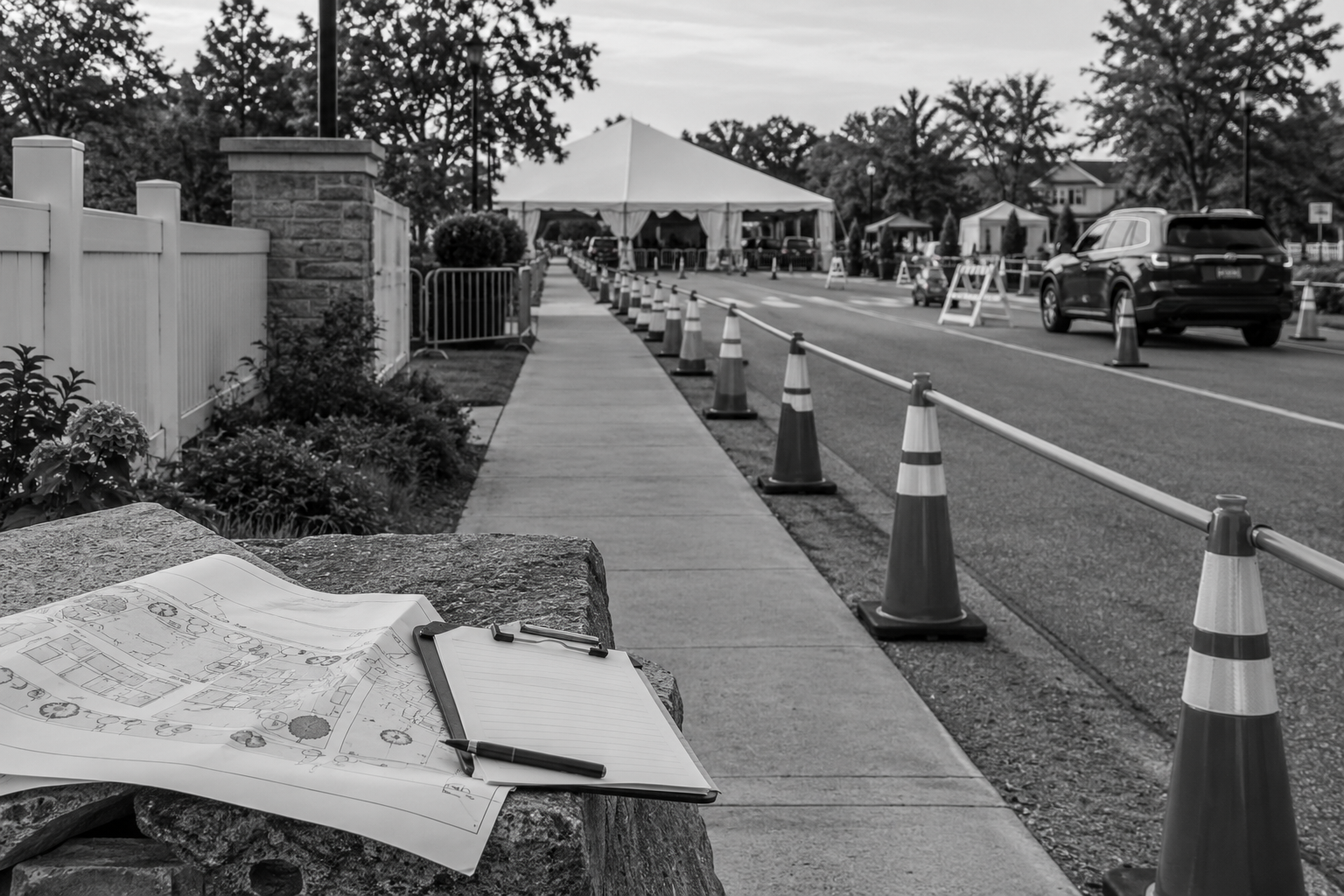
Event traffic plans can provide useful evidence of how pedestrians were meant to move safely around vehicles. After a collision, I would examine the intended route and how it was actually operated. That comparison can reveal a gap between the precautions planned and those people encountered.
Comparing the traffic plan with the actual operation can reveal the decisions that put pedestrians at risk. If a walking route led visitors into an active vehicle area, the transition deserves a close look. Your account helps focus the investigation on where that conflict arose and how it was managed.
Were event traffic plans followed on the street?
Temporary signs and barriers can be moved during an event. A pickup zone may operate somewhere other than its marked location. Photographs or video may therefore establish something the approved drawing cannot. We need the version of the plan in effect and evidence of the actual arrangement.
If the layout changed, I would investigate who made the decision and what precautions accompanied it. The reason for a change and its effect on pedestrians both matter. Comparing that explanation with the records can help establish whether a failure in the arrangement contributed to the collision.
Who controlled the traffic arrangement?
The promoter may hire a consultant to prepare a layout while another contractor installs the devices. Police or municipal personnel may perform a separate traffic-control function. Each participant’s responsibilities need to be identified rather than grouped together under the event’s name.
Written agreements and the conduct of staff can help establish who monitored the area and had authority to address the problem. I would identify each public and private participant's role. That separates approval of a drawing from responsibility for the decisions made during the event.
Examine the collision and the traffic arrangement together
The plan can help explain the route a pedestrian took and the warnings available to a driver. I would consider it with the driver's approach, speed and observation. Looking at those elements together can show how the arrangement and the driving affected the opportunity to avoid the collision.
Several contributing causes may need investigation. I would connect any departure from the plan with the actual movement and timing of the collision. That evidence helps establish responsibility on a sound basis and allows the claim to address each party's role rather than focus too narrowly on one decision.
How should the records be requested?
A focused records request can seek the applicable plan and the instructions governing the relevant area. Public-records procedures may provide some documents, subject to exemptions, and litigation discovery may provide another route where appropriate. I would identify the information needed and use the available lawful process to seek it.
If a public entity may be involved, notice requirements generally need attention within 90 days of accrual, subject to exceptions. Those requirements are separate from requesting records. I would address the deadline while investigating the plan, rather than wait for the entire document history before protecting a potentially time-sensitive claim.
Related reading
How Are Pedestrian Claims Evaluated Near a Busy School Crossing?
Sources and further reading
About Michael B. Fusco
I am Michael B. Fusco, a New Jersey personal injury attorney Certified by the Supreme Court of New Jersey as a Civil Trial Attorney. My approach is to investigate the facts carefully and explain what the evidence supports. Read my biography and credentials.
Discuss your personal injury questions
If you were injured and have questions about your options, I am happy to discuss them with you. Bring the information you have, and we can talk about the work needed to investigate and pursue an appropriate personal injury claim. Contact Fusco Law or call 732-465-8733.
This article provides general information and does not constitute legal advice. Every matter depends on its facts and the applicable law. Contacting the firm does not by itself create an attorney-client relationship.