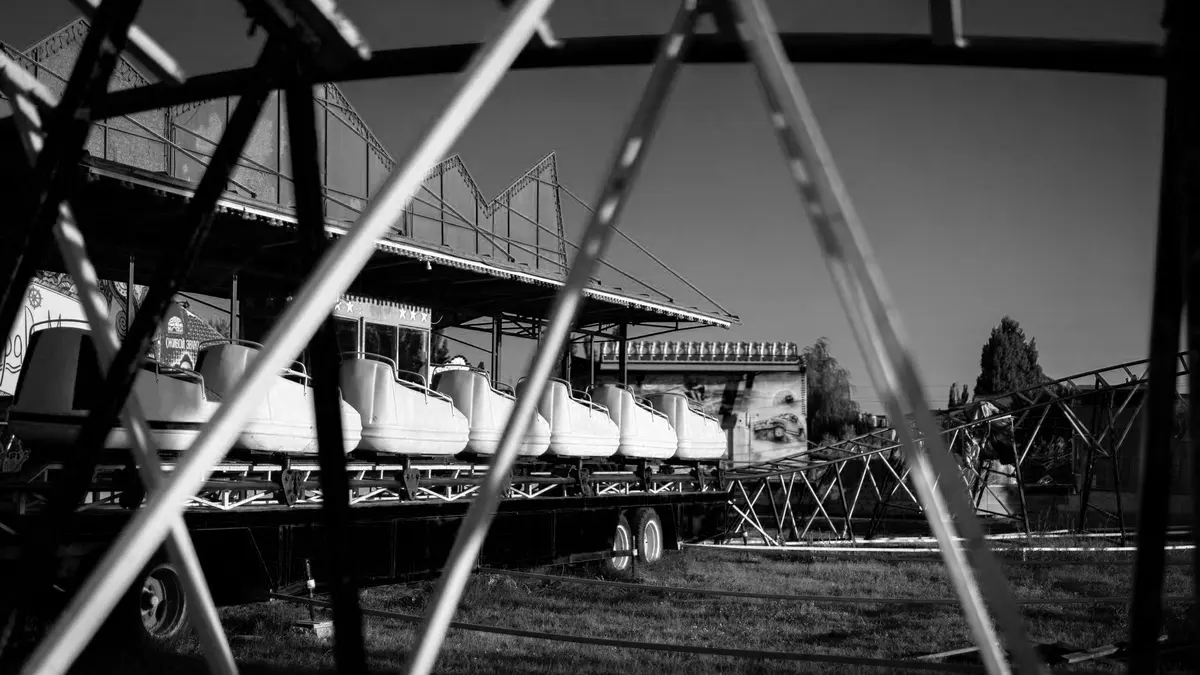
Amusement ride safety involves more than the ride's appearance
New Jersey regulates amusement ride safety through the Department of Community Affairs. The state's program includes permits and inspections, but a permit is only part of the picture when someone is injured. We also need to understand how the particular ride was operated and what occurred during that ride cycle.
Safety records and a careful account of the ride can help turn an unanswered concern into an informed investigation. A family should not be expected to determine the technical cause of an incident while obtaining care for an injured person.
I would begin by identifying the ride and operator, then preserving the available evidence. That creates a better basis for evaluating responsibility than either assuming the inspection proves everything was safe or assuming an injury establishes a violation.

What the state program covers
The Department of Community Affairs administers New Jersey's carnival and amusement ride safety program. Its published materials describe ride-type certification, annual owner permits and inspections. The program also includes operational inspections and incident-reporting requirements.
The specific requirements depend on the type of equipment and the applicable rules. An inflatable attraction, a mechanical ride and another recreational activity should not automatically be treated as the same regulated device. Identifying the equipment is part of determining which standards apply.
The Department's public resources can help identify permitted rides and the responsible operator. Regulatory records may then be useful to the investigation. They should be reviewed alongside the circumstances of the incident, rather than treated as a replacement for those facts.
Identify the particular ride and the time
Keep the admission ticket or wristband if it is available. A photograph of the ride's sign can help distinguish it from other attractions with similar names. Note the approximate time and the place where you entered or exited.
The sequence may matter as much as the name. Did the problem arise while boarding, during operation or while leaving the ride? Was there an unexpected stop? Describe what you actually experienced without trying to supply an engineering explanation.
If another person saw the event, preserve contact information. A brief conversation at the scene is easily lost once everyone leaves the fair. The witness may remember something different from the injured person because of where each was positioned.
Operation and maintenance deserve separate attention
An equipment inspection concerns the condition evaluated at a particular time. A later incident may involve operation, maintenance or a condition that developed afterward. Records of repairs and daily checks may help explain that history.
The operator's instructions can also matter. We may need to understand how passengers were seated, what restraints were used and what directions were given. Those questions should be asked neutrally. The purpose is to establish the facts, not to assume that an employee or rider did something wrong.
If technical issues are involved, an appropriately qualified expert may need to assess the equipment and records. An expert's opinion should explain the connection between the identified condition and the injury. A general statement that the ride must have been unsafe is not an adequate substitute for that analysis.
Report the injury and obtain care
Notify the operator and request appropriate assistance. If emergency treatment is needed, that takes priority. Keep the incident number or a copy of any report provided to you, and preserve later communications about the event.
Explain the mechanism to medical providers. A sudden movement, a restraint contact or a fall during exit may raise different medical questions. If symptoms change after the initial visit, let your provider know rather than assuming the first record will tell the whole story.
Avoid signing a broad release in exchange for a refund without understanding its effect. A routine incident report and a release of legal claims are different documents. Your lawyer can review the language and explain what a requested signature would mean.
Preserve recordings and the condition of the equipment
Visitors may have photographs or videos taken for ordinary reasons that capture part of the event. Keep the original files, including the surrounding footage. Do not edit a clip into a short sequence that removes context before preserving the complete version.
Your lawyer can request preservation of relevant operational records and recordings. If equipment needs to be inspected, that process should be coordinated. Do not enter a restricted area or attempt to inspect or operate the ride yourself.
Necessary safety work should not be delayed by an injured visitor. The evidence issue is how to document the condition and preserve appropriate records while qualified personnel address any immediate risk.
How a claim is evaluated
A personal injury claim requires a connection between legally actionable conduct and the injury. Regulatory compliance, or evidence of a violation, can be relevant to that assessment. Neither should be described as automatically resolving every issue in the case.
Medical evidence must also explain the nature and consequences of the injury. An early estimate may be incomplete while treatment and investigation are continuing. We can discuss what is known and what additional information would make the evaluation more reliable.
Families can ask questions without having the technical answers
You do not need to know the name of a component or the cause of a malfunction to seek legal advice. A useful first conversation identifies the attraction, describes the event and determines what records should be preserved.
Amusement ride safety rules provide a starting point. Careful investigation applies those rules to the actual equipment and operation, so that an injured person's claim receives a fair assessment based on evidence.
Sources and Further Reading
About Michael B. Fusco
Michael B. Fusco is a New Jersey personal injury attorney certified by the Supreme Court of New Jersey as a Civil Trial Attorney. Read Mike’s biography and credentials.
Discuss Your Personal Injury Questions
If you have questions about an injury in New Jersey, I am happy to discuss what happened and the options the facts may support. You do not need to have every document or answer before contacting us. Call 732-465-8733 or contact Fusco Law for a free personal injury consultation.
General Information
This article provides general information, not legal advice for a particular situation. Laws and policy terms must be applied to the actual facts. Reading this article or contacting the firm does not, by itself, create an attorney-client relationship.