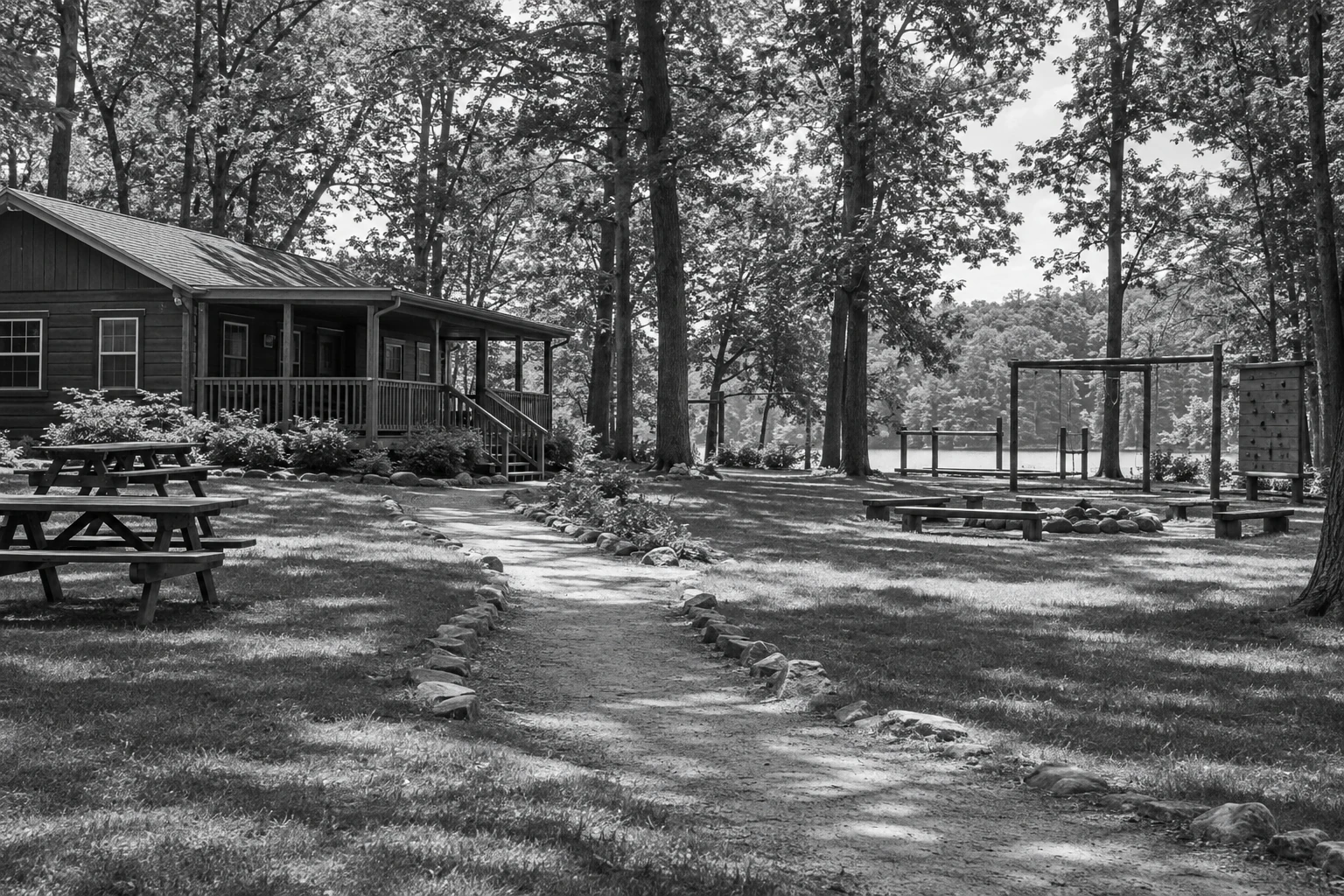
A summer camp injury deserves a careful explanation
When a child is hurt at summer camp, the immediate concern is appropriate care. Once that need is addressed, parents reasonably want to understand what happened and whether the child was being protected appropriately. Those questions should be answered through records and reliable accounts, not assumptions about what children should expect at camp.
A family deserves a clear explanation of how a camp injury happened and what can be done to protect the child's recovery. I would begin by identifying the activity, the people responsible for supervising it and the sequence leading to the injury.
An accident does not automatically establish negligence. At the same time, describing an activity as recreation does not remove the need to investigate a preventable hazard or an inadequate response to a known risk.
Start with the activity and the child's needs
Supervision should be evaluated in context. The age of the child and the nature of the activity may matter. An activity involving water or specialized equipment presents different questions from a supervised craft session.
We may also need to understand information the camp had about the child's medical needs or limitations. Preserve the enrollment materials and communications you provided. That helps establish what information was available when the camp planned and supervised the activity.
Ask the child to describe what happened in the child's own words without repeatedly suggesting an answer. A parent's notes can identify when a conversation occurred and what was said. Medical professionals and other appropriate investigators may need to obtain additional information through their own processes.
Camp records can clarify responsibility
An incident report is a starting point. Staff assignments, activity schedules and relevant training materials may help show who was responsible for the particular activity. If outside transportation or another facility was involved, the investigation may extend beyond the camp operator.
New Jersey's Department of Health administers the youth camp safety program. Whether a particular program falls within the regulated category and which requirements apply must be confirmed. The word camp in a business name is not a substitute for that analysis.
Regulatory records may assist the investigation, but a permit alone does not answer how a specific activity was conducted. Conversely, a disputed regulatory issue does not eliminate the need to prove the connection between the conduct and the injury.
Supervision and property conditions are different issues
A child may be injured because of a condition in the activity area, because of how an activity was organized or because of another person's conduct. More than one issue can be involved. The evidence should identify the actual mechanism rather than group every concern under supervision.
For example, a defective piece of equipment raises questions about inspection and maintenance. An activity conducted without appropriate instruction raises a different inquiry. The responsible parties and records may differ even if both incidents occurred at the same camp.
The purpose is not to criticize a counselor without knowing the facts. It is to determine whether the people or organizations with responsibility exercised the care required under the circumstances and whether a failure contributed to the injury.
A signed waiver should be reviewed
Parents sometimes assume that a registration form prevents any claim. That is not a safe conclusion. In Hojnowski v. Vans Skate Park, the New Jersey Supreme Court distinguished a parent's prospective release of a child's tort claim from an agreement requiring arbitration.
The actual language and the legal setting matter. Do not assume that every provision is enforceable or that every agreement can be ignored. Give your lawyer the complete registration materials, including electronic terms and any confirmation of acceptance.
An arbitration clause can affect where and how a claim is resolved even when a release does not eliminate the claim. Those are different consequences, and a family deserves an explanation of both before making a decision.
Preserve the information while the season is still underway
Camp programs may use seasonal staff and temporary arrangements. Contact details and recollections can become harder to obtain after the session ends. Keep the dates, the location and the names of people you spoke with after the incident.
Save photographs and messages already available to you. Your lawyer can make an appropriate request to preserve relevant recordings or records. Do not ask another child's family to circulate sensitive medical information or post accusations publicly in an effort to gather evidence.
If the incident involved a public program or a charitable organization, separate legal rules may apply. Those questions require prompt review. They should be identified without assuming that the organization has immunity or that a particular exception applies.
The child's medical development matters
Follow medical advice and keep providers informed about changes in the child's condition. A parent may notice that ordinary activities have become difficult even when the child has trouble explaining the symptom. Share concrete observations with the provider without trying to supply a diagnosis.
A reliable evaluation may require time and additional medical information. The seriousness of a childhood injury should not be judged solely by how quickly the child resumed one activity. The medical evidence must address the actual condition and any continuing consequences.
Parents should understand the process before resolving a claim
Claims involving minors require additional attention to who may act for the child and how a settlement is approved and protected. Court approval may be necessary. A parent should not treat an informal payment or release as routine without legal advice.
You can seek guidance before you have every record or answer. Early assistance can focus on preserving evidence and identifying the legal issues while the family concentrates on the child's care.
Sources and Further Reading
About Michael B. Fusco
Michael B. Fusco is a New Jersey personal injury attorney certified by the Supreme Court of New Jersey as a Civil Trial Attorney. Read Mike’s biography and credentials.
Discuss Your Personal Injury Questions
If you have questions about an injury in New Jersey, I am happy to discuss what happened and the options the facts may support. You do not need to have every document or answer before contacting us. Call 732-465-8733 or contact Fusco Law for a free personal injury consultation.
General Information
This article provides general information, not legal advice for a particular situation. Laws and policy terms must be applied to the actual facts. Reading this article or contacting the firm does not, by itself, create an attorney-client relationship.