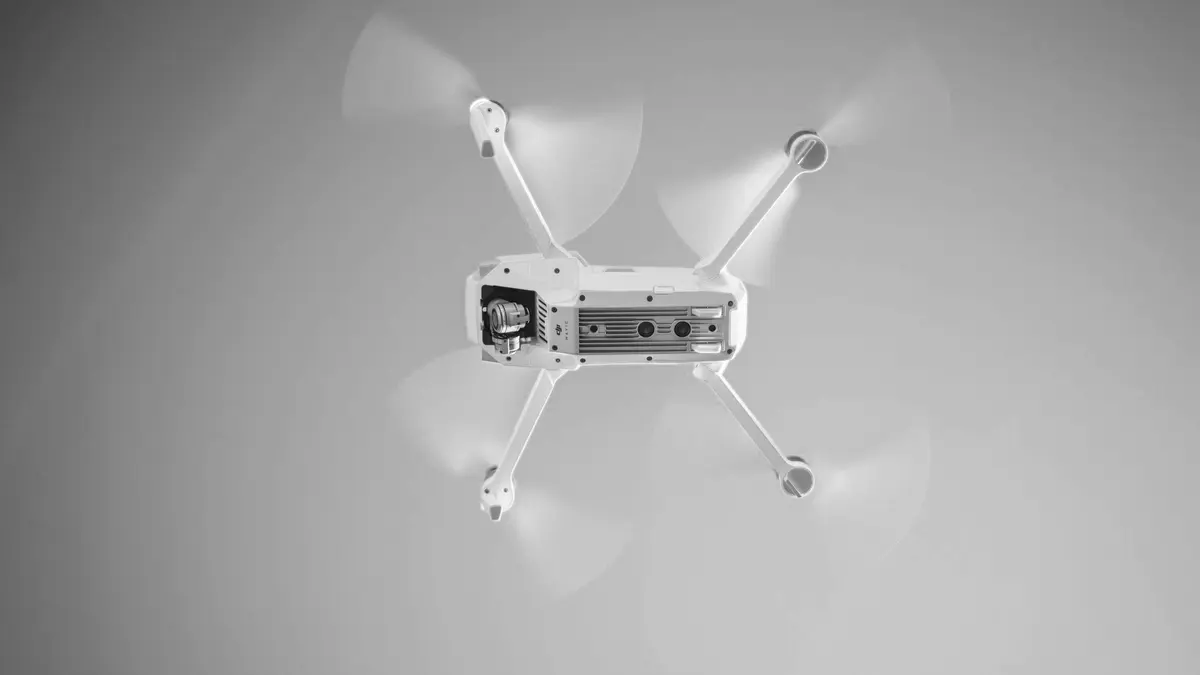
Investigating a Drone Injury in New Jersey
A drone injury can raise questions about how the aircraft was operated, whether the equipment performed properly and who was responsible for the activity. I would begin with what happened on the ground: where you were, how the drone reached you and what injury followed. From there, we can work toward the operator and the records needed to understand the flight.
When a drone causes an injury, careful investigation can identify the people and businesses responsible for keeping the operation safe. The technology may be unfamiliar, but the person injured should still receive a careful explanation of the available evidence and potential avenues for recovery.
Identify the Operation Before Assigning Responsibility
A privately flown recreational drone presents different questions from equipment used by a commercial filming company or an organized event. The person holding the controller may be working for someone else. An owner, operator and business customer may have different roles that need to be established through records.
Those distinctions do not mean that every participant is responsible. The investigation should identify who controlled the flight, selected the operating area and made the relevant safety decisions. A company that merely appeared in an advertisement is not necessarily the business that operated the aircraft.
If the incident occurred at an event, save the event information and any communications you received. Photographs showing the launch area or the operator's equipment may help identify the correct business. Witness contact information can be especially useful when the drone is removed before the injured person is able to ask questions.
Flight Rules Provide Part of the Safety Framework
The FAA regulates drone operations, including requirements that depend on the type of flight. Operations over people are subject to specific conditions and, in some circumstances, waivers. It would be inaccurate to assume that every flight over a gathering is permitted or that every such flight is prohibited.
A flight authorization does not resolve whether the operation was carried out with reasonable care. Likewise, a regulatory issue must be examined in connection with the event that caused the injury. The relevant question is how the applicable requirements and the operator's conduct relate to the actual harm.
Federal aviation requirements and New Jersey injury law may interact. That can require a more technical legal analysis than an ordinary premises claim. An FAA report or investigation can be useful, but it does not replace the separate work needed to evaluate a person's civil claim and preserve applicable deadlines.
Preserve Flight Records and Physical Evidence Safely
The aircraft, controller and associated account may contain different information. Flight logs can help explain movement or loss of connection. Available video may show the surrounding conditions. The value of each source depends on what the particular equipment recorded and what remains available.
Safety comes first. An injured person should not retrieve a damaged aircraft from a dangerous location or handle a damaged battery to save evidence. Emergency personnel and qualified professionals should address those hazards. A lawyer can coordinate preservation and inspection without asking a client to expose themselves to another injury.
Where equipment is retained, inspection should be documented and arranged so that useful evidence is not changed unnecessarily. A destructive test may require an agreed protocol and notice to interested parties. The objective is to learn what happened while preserving a fair opportunity to examine the same material.
Consider Both Operation and Equipment Performance
A drone can strike someone because of an operational decision, an equipment problem or a combination of events. A product claim requires more than showing that the aircraft fell. The investigation may need to address its design, condition and maintenance, as well as the warnings supplied with it.
An expert may be needed to distinguish a signal problem from a mechanical failure or an operator input. I would define the question before commissioning broad testing. The work should focus on a plausible explanation supported by the available records and physical evidence.
Insurance also requires a separate review. A business policy, specialized aviation coverage or another policy may be relevant, while exclusions can affect the response. A personal policy should not simply be assumed to cover every drone operation. Identifying the correct insured and obtaining the actual policy are important steps.
Document the Effect on Your Health and Daily Life
The investigation should give the injury the same attention as the aircraft. Medical records can explain the treatment provided and the recovery expected. Your account of changes in work, sleep or ordinary activity helps put those records in context without substituting for a medical opinion.
Early uncertainty is common when an unfamiliar piece of equipment is involved. You may not know the operator's name or the drone model. That is a reason to begin with the information available, not a reason to assume that the questions cannot be answered.
I would explain what can be investigated immediately and what may require formal discovery. The case develops as the records become available. A careful initial review can identify practical next steps while keeping the focus on your recovery and the responsibility the evidence may support.
Sources and Further Reading
About Michael B. Fusco
Michael B. Fusco is a New Jersey personal injury attorney certified by the Supreme Court of New Jersey as a Civil Trial Attorney. Read Mike’s biography and credentials.
Discuss Your Personal Injury Questions
If you have questions about an injury in New Jersey, I am happy to discuss what happened and the options the facts may support. You do not need to have every document or answer before contacting us. Call 732-465-8733 or contact Fusco Law for a free personal injury consultation.
General Information
This article provides general information, not legal advice for a particular situation. Laws and policy terms must be applied to the actual facts. Reading this article or contacting the firm does not, by itself, create an attorney-client relationship.