Looking Beyond the Flames After an E-Bike Battery Fire
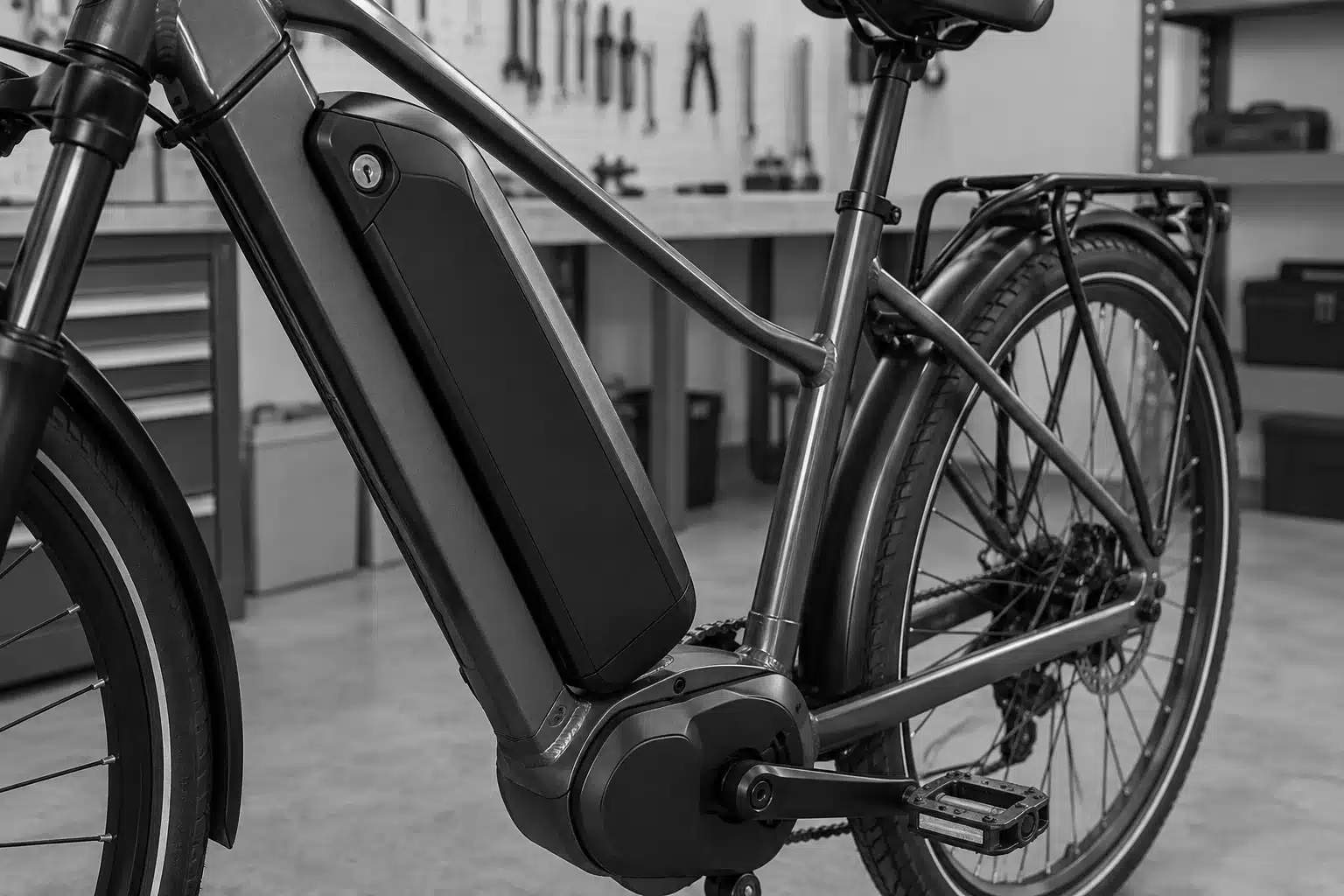
An e-bike battery fire can involve a defective battery, an incompatible charger or work performed on the electrical system. Determining responsibility requires identifying the equipment and investigating how the fire began. I would also want to understand who supplied the product and what information the purchaser received. The starting point should be a careful investigation, not an assumption that the person charging the bike caused the problem.
An injured person deserves a careful investigation of the product and the choices that brought it into their home. A family may have relied on a seller's recommendation or a manufacturer's instructions. Those facts deserve consideration alongside the physical evidence and the fire investigator's findings.
Safety Comes Before Preserving the Equipment
A damaged lithium-ion battery can remain dangerous after the initial fire. Do not handle, recharge or bring damaged equipment into your home to preserve it for a claim. Emergency personnel should address immediate hazards, and qualified professionals can advise on safe storage and examination.
Photographs already taken from a safe location can be useful. So can the fire department's report and information identifying where the equipment was taken. The lawyer's role includes coordinating preservation safely. A client should not have to choose between protecting evidence and protecting their family.
If a landlord, insurer or cleanup contractor is preparing to remove material, advise your lawyer promptly. The equipment may need to be identified and secured before disposal. That coordination should account for the safety restrictions imposed by those responsible for the scene.
Identify the Battery, Charger and Seller
The bike's brand may be only one part of the product history. A replacement battery or charger may have come from a different company. Receipts and online order confirmations can connect the item to the seller and the representations made when it was purchased.
A plug that fits does not necessarily establish compatibility. The Consumer Product Safety Commission has warned that chargers marketed as universal can create fire hazards when they are not appropriate for a particular battery. The relevant inquiry is what the equipment required and what was actually supplied or recommended.
I would preserve the listing as it existed when the product was purchased, if available, along with instructions and communications with the seller. Later changes to a website can make that history harder to reconstruct. Product identifiers can also help determine whether a recall or safety warning applies to the actual model.
Product Responsibility Requires a Supported Explanation
New Jersey product-liability law can address a manufacturing problem, an unsafe design or inadequate warnings, depending on the facts. A fire alone does not establish which theory applies. Qualified examination may be needed to identify the point of origin and distinguish damage caused by the fire from the condition that caused it.
The distribution history matters as well. A manufacturer, importer and seller may have different roles and potential defenses. I would identify those roles before deciding who should be named in a claim. The objective is to pursue the parties the evidence supports rather than rely on the most recognizable name on the box.
Any prior repair or modification should be investigated fairly. It may be relevant, but it should not become a shortcut for blaming an injured person. We need to know who performed the work, what changed and whether that change contributed to the event.
Preserve a Fair Opportunity to Examine the Evidence
Testing can alter or consume damaged components. Before that occurs, the parties may need an inspection protocol that documents the condition and permits appropriate participation. This helps preserve the value of the evidence for everyone who may later need to evaluate it.
The fire scene contains context that a single battery photograph cannot supply. The location of nearby objects and the investigators' observations may help explain the sequence. Available photographs, reports and witness accounts should be organized with that purpose in mind.
I would also ask what is uncertain. If the physical evidence is incomplete, an expert should explain the limits rather than fill the gaps with confidence. A sound opinion identifies the observations and reasoning supporting it. That is how a technical issue becomes a reliable part of an injury case.
Give the Injury and Recovery a Complete Record
Burn injuries and smoke exposure can have effects that are not fully understood on the first day. Medical decisions belong with the treating professionals. The legal file should follow the treatment and document how the injury affects daily life as the recovery develops.
People injured in the same fire may have different needs and different claims. A resident, visitor or person who tried to escape may not have purchased or used the bike. Their rights should be evaluated individually rather than reduced to a dispute about the price of the damaged product.
An early consultation can help coordinate evidence preservation while you focus on treatment and a safe place to recover. You do not need to know which component failed before seeking advice. Developing that answer is part of the investigation a serious injury may require.
Sources and Further Reading
About Michael B. Fusco
Michael B. Fusco is a New Jersey personal injury attorney certified by the Supreme Court of New Jersey as a Civil Trial Attorney. Read Mike’s biography and credentials.
Discuss Your Personal Injury Questions
If you have questions about an injury in New Jersey, I am happy to discuss what happened and the options the facts may support. You do not need to have every document or answer before contacting us. Call 732-465-8733 or contact Fusco Law for a free personal injury consultation.
General Information
This article provides general information, not legal advice for a particular situation. Laws and policy terms must be applied to the actual facts. Reading this article or contacting the firm does not, by itself, create an attorney-client relationship.