Mike’s Quick Answer
After a college move-in injury, photographs can help preserve the route and temporary conditions before they change. A wider image showing the approach may explain something a close-up cannot. Medical care and safety come first, so take photographs only when it is safe to do so.
I use the scene evidence to identify the safety responsibilities while your family concentrates on recovery. You do not need a complete photo record to ask for help. If the scene has already changed, we can investigate other photographs, witnesses and operational records that may explain what happened.
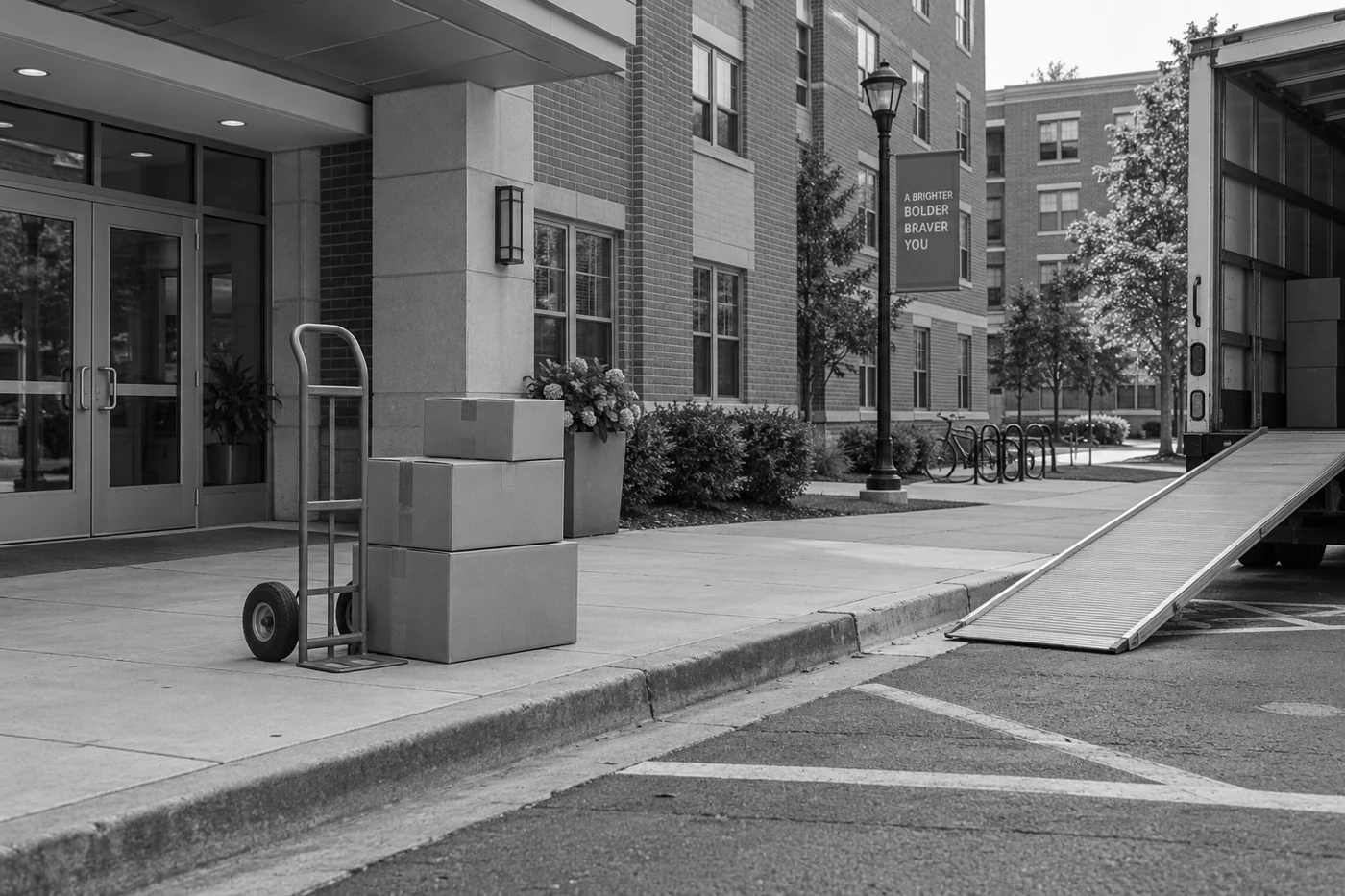
Photographing the College Move-In Injury Route
Start with where the injured person came from and where they were going. A doorway or fixed campus feature can help locate the condition later. That context matters when a temporary ramp or barrier is removed at the end of move-in.
A close-up can show a defect, but the route may explain why the person encountered it. If visitors were directed through a particular passage, a photograph of that arrangement may be important. The image should show the ordinary setting rather than a rearranged version created to illustrate an argument.
If you cannot safely reach the relevant area, do not attempt it. An injured student or parent should not enter a loading lane or obstruct moving equipment to take a picture. A professional investigation can consider other means of documenting the scene.
Showing Scale and Visibility Accurately
A photograph from ordinary eye level can help explain what a person approaching the condition could see. Another view may show the height difference or position of equipment. Different perspectives serve different purposes; dozens of identical close-ups may add less than a small number of useful views.
A familiar object can sometimes help show scale, provided placing it does not disturb evidence or create risk. Accurate measurements may be obtained later through an appropriate inspection. Avoid representing an estimate as an exact measurement.
Lighting matters too. A photograph taken in bright afternoon light may differ from the conditions of an early-morning incident. Keep the time and circumstances of the photograph clear. We can explain those differences rather than imply that every later image reproduces the moment of injury exactly.
Keeping Original Files and Witness Information
Retain the original photograph or video when possible. Metadata may help establish when it was taken. If an annotated version is useful, make a separate copy so the source image remains available for review.
If someone else photographed the scene, note who they are and how to contact them. That person may help establish the image’s origin. An ordinary phone photograph can be useful without being professionally composed, provided its source and what it shows can be explained.
Witnesses may supply information beyond the frame. Someone may have seen a staff member position a ramp or direct visitors into the area. I would ask what the witness actually observed and compare that account with the physical record.
Investigating College Move-In Injury Responsibility
The image can establish a condition without identifying who controlled it. A college may have hired a moving vendor or equipment supplier. Contracts and staffing records can help connect the photographed setup to the organization responsible for it.
I would distinguish permanent building maintenance from the temporary move-in operation. A broken stair and a portable ramp may involve different duties. The investigation should follow the particular condition that contributed to the injury.
Notice may also matter. A prior complaint or inspection record can help establish what was known about a hazard. The legal significance depends on the claim and the defendant. Photographs are part of that analysis, rather than a substitute for identifying the governing duty.
Reviewing Public-Entity Issues Promptly
A public university may be governed by the Tort Claims Act, including statutory requirements and immunities. An adult’s claim generally raises a formal notice requirement within 90 days, subject to the statute. A minor’s own claim has special timing protections that should be evaluated separately from a parent’s claim.
An incident report may document the event without satisfying formal legal notice. I would review what was submitted and identify the relevant entity. Private institutions and outside contractors may follow different rules, so the school’s legal status should be confirmed.
Preservation should proceed even while those questions are being answered. A longer filing period does not keep a camera system from overwriting footage. Early attention can protect the factual record while the injury is still being evaluated.
Documenting the Injury’s Development
Photographs of visible injuries may help show changes over time, but they do not replace medical evaluation. Follow appropriate care and keep the images accurate. A later photograph can be useful when it is clearly dated and described.
The practical effect of the injury may extend beyond what a photograph shows. Missed classes or difficulty with ordinary tasks can be relevant when supported by the medical and factual history. I would work to explain those consequences as part of the overall claim.
Questions After a College Move-In Injury
What if the hazard was removed before we returned?
Other evidence may still establish it. We can investigate existing photographs, recordings and the records of the move-in operation. A prompt description of the location helps direct that work.
Can I contact you without an incident report?
Yes. Bring the information you have. We can ask whether a report exists and identify other available sources. The consultation can begin before you have assembled a complete file.
Sources and Further Reading
About Michael B. Fusco
I am Michael B. Fusco, a New Jersey personal injury lawyer Certified by the Supreme Court of New Jersey as a Civil Trial Attorney. I help injured people understand their options and develop the evidence needed to present their claims. My approach is to explain what we know, identify what still needs investigation and keep you informed as the case develops.
Discuss Your Injury With Mike
If you were injured and have questions about the circumstances discussed here, I am happy to talk with you. We can review the information you have and discuss what further investigation may help. Call 732-465-8733 or contact Fusco Law for a free personal injury consultation.
General Information
This article provides general information, not legal advice. The law’s application depends on the facts of the particular matter. Contacting Fusco Law does not establish an attorney-client relationship; representation begins only after a written agreement.