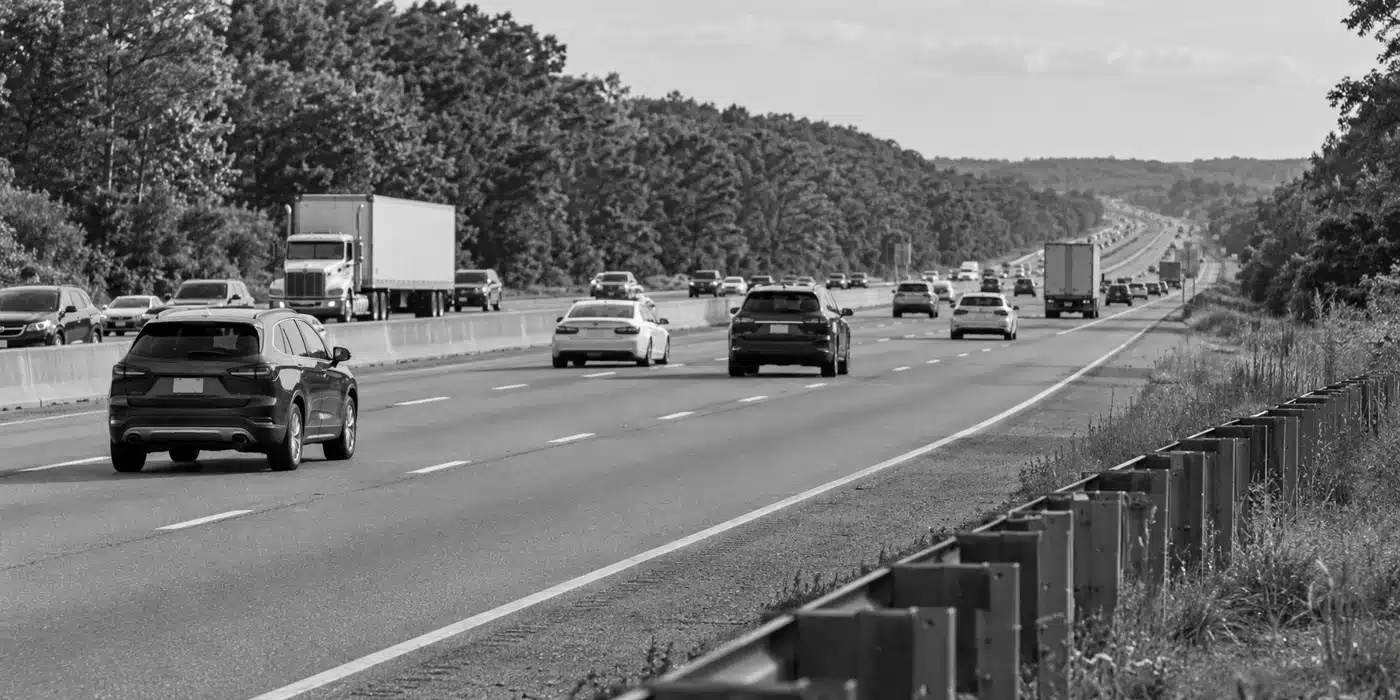
When your car is pushed into another vehicle
If your car was pushed into another vehicle, responsibility depends on the actual sequence and each driver’s conduct. The fact that your front bumper contacted the car ahead does not, by itself, prove you independently caused that collision. Being pushed into another vehicle calls for a careful investigation of the first impact and the sequence that followed.
This issue often arises when a driver was stopped or slowing and was struck from behind. The important distinction is whether your car made contact before the rear impact or was propelled forward by it. Explain what you felt and observed without trying to fill gaps in your memory.

Start with the moment before contact
Were you already stopped? Was there space ahead of you? Did you hear or feel an impact from behind before the forward movement? These questions help establish a timeline, but the answers should remain grounded in what you actually know.
If the impacts seemed nearly simultaneous, say so. People inside a vehicle may not be able to distinguish every movement during a sudden collision. Uncertainty is not a reason to invent a precise sequence. Other evidence may help clarify it.
Your initial statement should be preserved accurately. If an officer’s summary omits that you were pushed, raise the issue through the appropriate process and retain your explanation. A report is important evidence, but it is not always a complete account of a complicated event.
Look for evidence beyond the final positions
Photographs can show front and rear damage, roadway markings and the position of vehicles before they were moved. Preserve images taken by passengers or other drivers when available. The original files are preferable to screenshots that lose context or detail.
Dashcam footage may reveal whether your vehicle had stopped before it was struck. A nearby camera or independent witness may also help. Requests should be made promptly because records can be overwritten or witnesses become difficult to locate.
Vehicle data and expert reconstruction may be useful in a serious dispute. Those steps should be considered before repairs or disposal affect the evidence. Not every case needs an expert, but a significant injury with conflicting accounts may justify a more technical investigation.
Responsibility is not decided by bumper contact alone
Each driver’s conduct must be evaluated under the circumstances. A rear driver’s failure to stop may have caused the chain reaction. In another case, the middle vehicle may have struck the first car before being hit again. The legal analysis follows the evidence of those movements.
Following distance and speed can matter, but an insurer should not treat the middle position as an automatic admission of fault. If a carrier assigns responsibility, ask for the factual basis. The response should address the sequence rather than rely on a general statement about rear-end collisions.
More than one driver may have contributed. New Jersey’s comparative-negligence rules may affect allocation and recovery in an appropriate case. A supported assessment requires more than accepting the first percentage proposed by an adjuster.
Keep the focus on the bodily injury claim
Vehicle repairs may be addressed before the injury is fully understood. That does not mean the bodily injury claim should be valued on the same schedule. Medical evaluation and the course of recovery can take longer.
Tell your providers that there may have been more than one impact and describe your symptoms accurately. Avoid guessing which impact caused a particular condition. Medical professionals and, where needed, other experts can help evaluate causation using the available evidence.
Keep records of work changes and assistance you need in daily life. A collision that looks modest in one photograph can still require a careful medical assessment. Conversely, dramatic vehicle damage does not replace proof of the injury. The case should be developed around the actual person and consequences.
Handle insurer communications carefully
Several carriers may contact you. Identify which driver and coverage each adjuster represents. Your obligations to your own insurer may differ from your relationship with another driver’s carrier, so obtain advice about requests for statements or documents.
Preserve written offers and any proposed release. An agreement concerning one aspect of the accident should be reviewed for its effect on other claims. Do not assume that a document is limited to repairs merely because that was the subject of the telephone conversation.
Potential uninsured or underinsured motorist coverage may also require attention. Applicable notice and consent procedures should be reviewed before a liability settlement is finalized. Coordination can help avoid losing an available avenue through an avoidable procedural mistake.
Turn the sequence into a clear explanation
A useful case assessment identifies what the evidence already shows and what remains uncertain. If the main dispute is the order of impacts, the investigation should be directed there. If responsibility is clear but the medical picture is developing, the next steps will be different.
You should not be expected to solve the reconstruction yourself before seeking help. Bring the records you have and explain the event in your own words. The legal work is to develop that account through evidence and pursue the recovery the facts support.
What if I cannot tell whether I was pushed into another vehicle or struck it first?
Explain that uncertainty honestly. Whether your car was pushed into another vehicle may be clarified by video, damage evidence or witnesses. You do not need to invent a sequence before seeking advice; the investigation is intended to resolve questions your own viewpoint could not answer.
Sources and Further Reading
About Michael B. Fusco
Michael B. Fusco is a New Jersey personal injury attorney certified by the Supreme Court of New Jersey as a Civil Trial Attorney. Read Mike’s biography and credentials.
Discuss Your Personal Injury Questions
If you have questions about an injury in New Jersey, I am happy to discuss what happened and the options the facts may support. You do not need to have every document or answer before contacting us. Call 732-465-8733 or contact Fusco Law for a free personal injury consultation.
General Information
This article provides general information, not legal advice for a particular situation. Laws and policy terms must be applied to the actual facts. Reading this article or contacting the firm does not, by itself, create an attorney-client relationship.