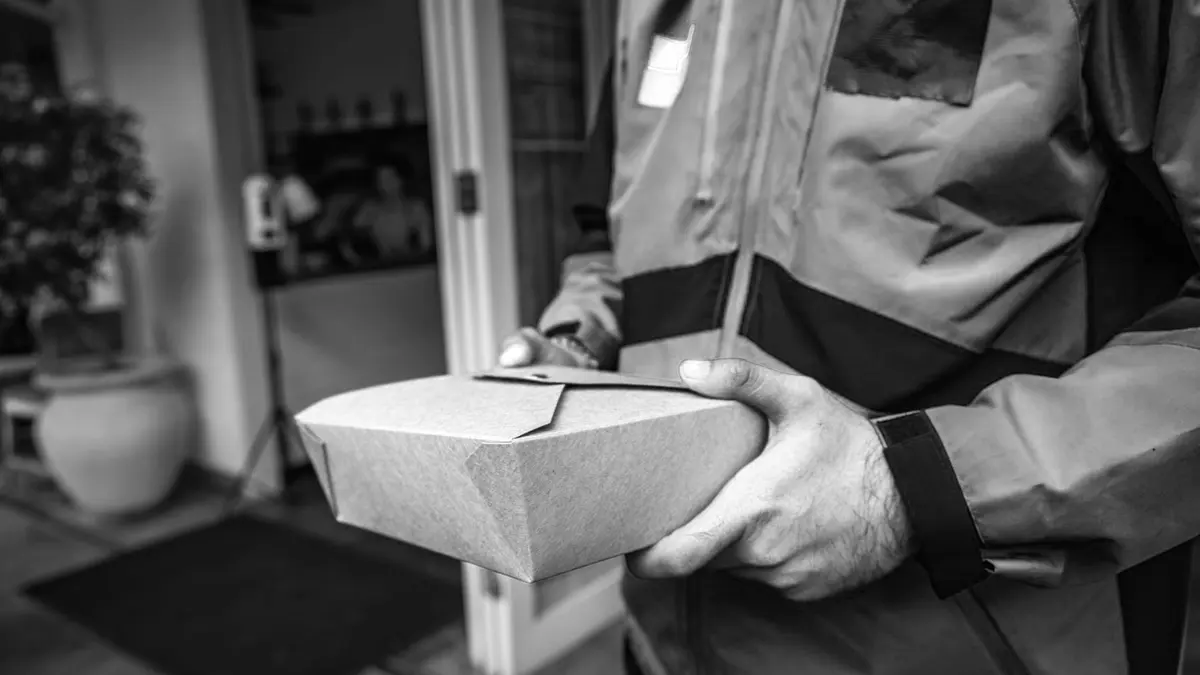
A Gig Worker Injury May Support More Than One Claim
A gig worker injury can raise both a workers' compensation question and a claim against another responsible party. The first issue is whether the worker qualifies for statutory benefits under the applicable law. The second is whether someone outside the protected employment relationship caused the injury. Those are related inquiries, but one should not be treated as a substitute for the other.
A work injury deserves a review of both the benefits available now and the claims that may support a fuller recovery. For an app worker, the contract's description of the relationship is part of that review. It does not eliminate the need to examine how the work was actually performed.
Determine the Employment Relationship Carefully
New Jersey uses different legal standards for different employment questions. A classification decision under a wage law does not automatically resolve eligibility under the Workers' Compensation Act. The relevant analysis can include control over the work and the relationship of the work to the business.
I would want the actual agreement and records showing how assignments were handled. The freedom to choose hours may be relevant, but so may requirements imposed during an accepted job. No single feature should be pulled out of context and presented as the entire answer.
Where workers' compensation may apply, the issue should be reviewed promptly with counsel handling that claim. A platform's private accident policy should also be examined, but it should not be assumed to settle the statutory classification question.
Understand What Workers' Compensation Addresses
For a covered work injury, workers' compensation can provide medical and disability benefits under the statute. It generally does not require proof that an outside person was negligent in the same way a civil injury action does. Coverage and the connection between the injury and work still need to be established.
Those benefits have their own procedures and limitations. They do not simply duplicate every category of damages available in a negligence case. An explanation should identify what the worker may receive through the compensation system and what remains outside that system.
The employer's protection against an ordinary civil suit is another reason to identify the relationship correctly. A claim against the employer and a claim against an unrelated motorist are not interchangeable. Exceptions and disputed relationships require legal analysis rather than a general statement that anyone connected to the work can be sued.
Identify a Separate Responsible Party
A delivery driver struck by another motorist may have a third-party injury claim if the evidence supports that motorist's responsibility. Other circumstances may involve a dangerous condition controlled by a separate business. The investigation must establish the duty, the conduct and the connection to the injury.
Work status does not excuse another person's negligence. At the same time, being injured during an assignment does not automatically establish that a third party caused it. The claim should be developed from the actual event and the evidence available to explain it.
I would preserve the collision or incident evidence while the benefits question is being addressed. Waiting for one system to finish can allow video or other records relevant to the other claim to disappear. Coordination protects the ability to evaluate both avenues fairly.
Plan for Reimbursement Before Settlement
New Jersey's Section 40 framework can require reimbursement of workers' compensation payments from a third-party recovery, subject to the statute and applicable law. The amount and treatment of a lien require review. Auto-related interactions can add further issues that should not be reduced to a blanket formula.
A private occupational-accident policy may have different reimbursement language. That is another reason to identify which program paid which benefit. The name used in a benefits email may not tell the full legal story.
The client should understand the anticipated net recovery before agreeing to a settlement. That means addressing legitimate reimbursement claims and checking their calculation, not simply announcing the gross offer. A coordinated approach can avoid surprises and identify issues that may be negotiated or challenged where appropriate.
Keep the Claims Consistent and Accurate
The same injury may be described in several forms or proceedings. Consistency begins with an accurate account, not with repeating language that does not fit. If a date or detail was recorded incorrectly, it should be addressed openly through the proper process.
Medical records and work history can help explain the claimed limitations. A worker may return to some tasks while remaining unable to perform others. That distinction deserves clear documentation rather than an all-or-nothing description of recovery.
I would also review any proposed release before it is signed. A document intended to resolve one payment can sometimes contain broader language. Understanding what is being released helps preserve the client's ability to make an informed choice about related claims.
An Early Review Can Set a Coordinated Course
Bring the agreement, available benefits information and any letters from an insurer or administrator. If you have only a few app screenshots and a crash report, those can still provide a useful beginning. Missing documents can be identified and requested as the review develops.
The goal is to understand the work relationship, preserve the evidence and identify the available claims without making you navigate several systems alone. A careful explanation can distinguish immediate benefit needs from the longer process of developing a personal injury case.
Sources and Further Reading
About Michael B. Fusco
Michael B. Fusco is a New Jersey personal injury attorney certified by the Supreme Court of New Jersey as a Civil Trial Attorney. Read Mike’s biography and credentials.
Discuss Your Personal Injury Questions
If you have questions about an injury in New Jersey, I am happy to discuss what happened and the options the facts may support. You do not need to have every document or answer before contacting us. Call 732-465-8733 or contact Fusco Law for a free personal injury consultation.
General Information
This article provides general information, not legal advice for a particular situation. Laws and policy terms must be applied to the actual facts. Reading this article or contacting the firm does not, by itself, create an attorney-client relationship.