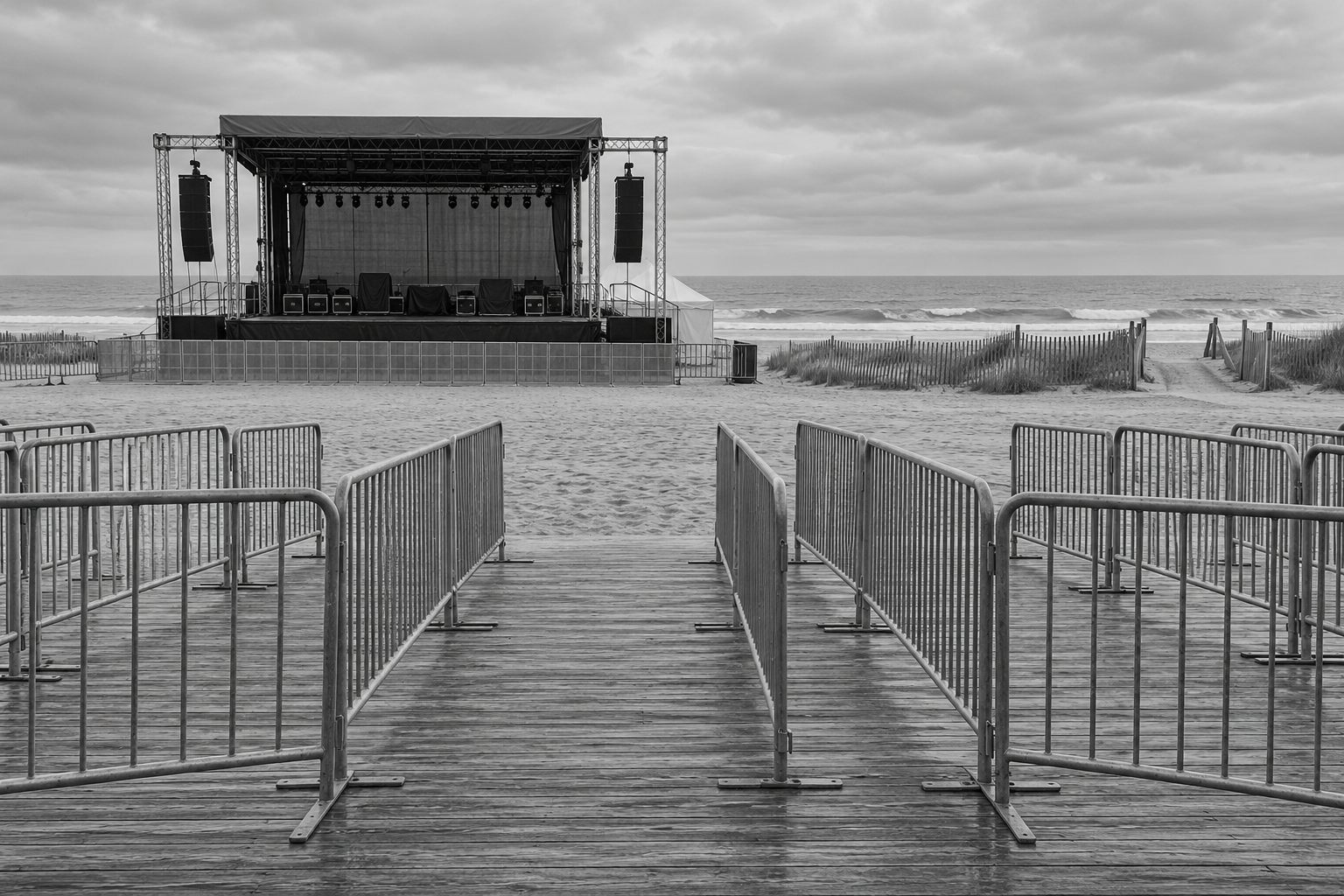
What changes when the festival crowd leaves?
A festival crowd leaving at once creates conditions that deserve careful planning and management. If someone is hurt, I would investigate how the exit and transportation areas were operating. Identifying the location and sequence helps establish which safety decisions contributed to the injury.
I follow the evidence along the departure route so that each part of your claim receives attention. Crowd movement inside a gate and a vehicle collision outside it may involve different duties. Examining that full route helps identify the claims supported by the actual incident.
Where was the festival crowd when the injury occurred?
The exact location can help identify which businesses controlled the exit, parking area or transportation operation. A public street may introduce additional parties and legal requirements. I would trace those responsibilities so the claim reaches the conduct that mattered to your injury.
Staff directions or a designated pickup area may connect the event's operation with a place outside the gate. I would investigate those arrangements as well as the property boundaries. What the participants actually undertook to do can help explain their responsibilities for the route visitors followed.
What evidence helps establish the sequence?
Messages and ride-request records can help establish when you left and where you were directed. That information allows a focused request for video from the relevant time and place. Building the timeline early improves the opportunity to preserve evidence held by different businesses.
A nearby camera and an event camera may show different stages of the same incident. Keeping the original recordings and their sources helps us compare those views. I would look for enough context to explain how the problem developed and its connection to your injury.
How are the insurance questions separated?
I would investigate the coverage that fits each part of the incident. Qualifying auto-related medical expenses may involve PIP, while a claim against a responsible party may involve liability coverage. Reviewing the actual policies helps identify the available benefits and sources of recovery.
Where a rideshare vehicle was involved, the driver's app status and trip records can help determine the applicable coverage. I would seek those details rather than rely on a general description of the trip. Establishing the correct status can be important to presenting the insurance claim properly.
What can be done before fault is clear?
Evidence and deadlines can be protected while responsibility remains under investigation. Public-entity involvement may require formal notice, generally within 90 days of accrual subject to exceptions. Reporting the event to security is a different step and should not be assumed to satisfy that requirement.
You deserve a closer investigation than a general statement that crowded events involve risk. I would examine how the departure was managed and develop the evidence of any failure that caused the injury. That gives us a basis to pursue the appropriate claim and explain the next steps to you.
Related reading
Why Can Event Traffic Plans Matter After a Pedestrian Collision?
Sources and further reading
About Michael B. Fusco
I am Michael B. Fusco, a New Jersey personal injury attorney Certified by the Supreme Court of New Jersey as a Civil Trial Attorney. My approach is to investigate the facts carefully and explain what the evidence supports. Read my biography and credentials.
Discuss your personal injury questions
If you were injured and have questions about your options, I am happy to discuss them with you. Bring the information you have, and we can talk about the work needed to investigate and pursue an appropriate personal injury claim. Contact Fusco Law or call 732-465-8733.
This article provides general information and does not constitute legal advice. Every matter depends on its facts and the applicable law. Contacting the firm does not by itself create an attorney-client relationship.