How can an unsafe customer route support a claim?
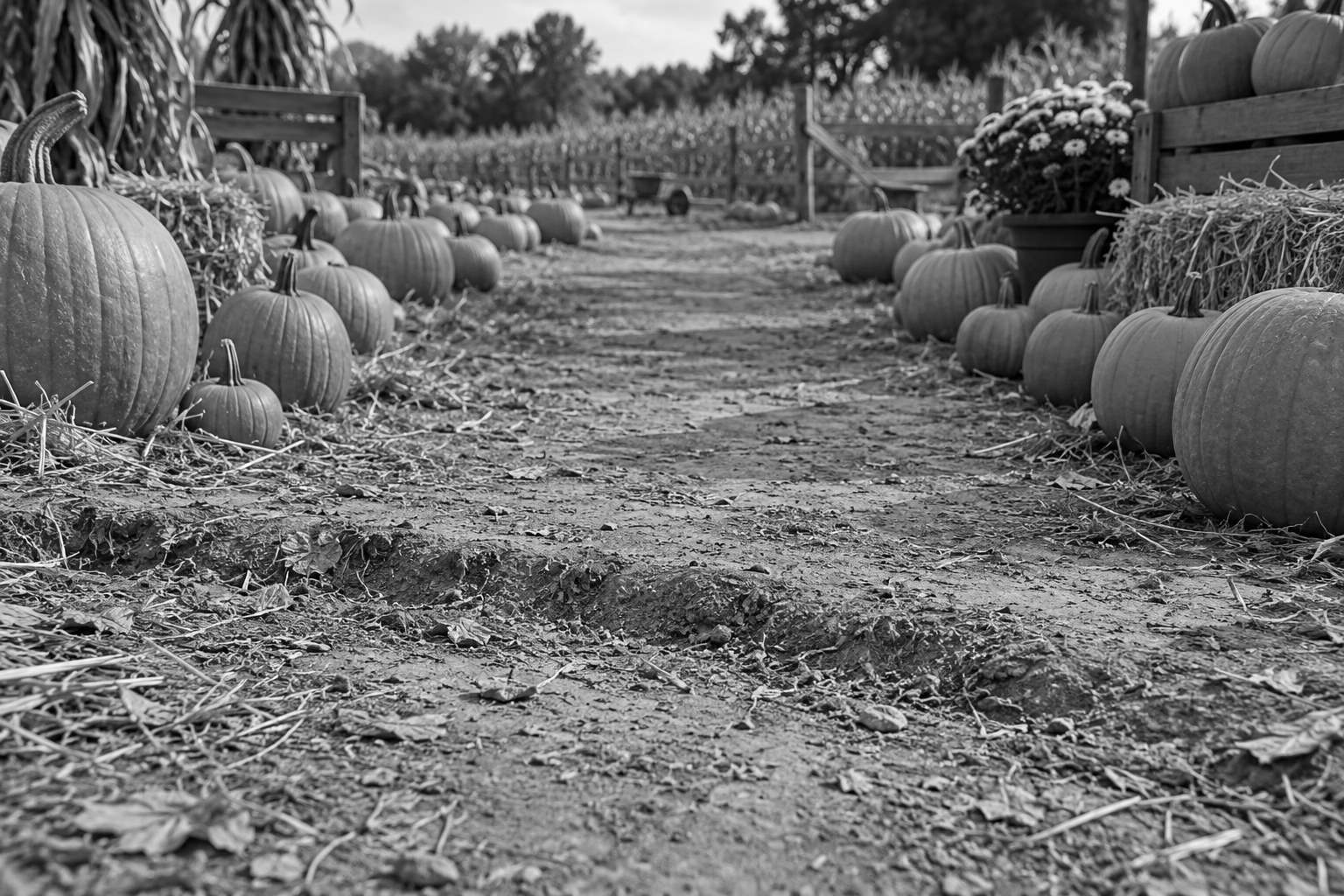
A pumpkin patch's outdoor setting calls for a careful look at the particular condition that caused the fall. Uneven ground along a customer route may involve a concealed hazard or a maintenance problem that required attention. I would investigate the location and its use to determine how the operator's duty applied to your circumstances.
A customer route deserves careful attention to the precautions needed for the people using it. A picking field and a temporary entrance ramp present different conditions. Identifying where the injury happened helps establish what visitors could reasonably expect and what the operator should have addressed.
How did the uneven ground cause the fall?
Your account can help direct the investigation toward the condition involved. A hole beneath leaves or a rut across a marked route may be documented through photographs and witness observations. If you are unsure exactly what caught your foot, explain what you do remember so we can look for evidence that fills in the sequence.
Photographs can help when they show both the condition and its setting. A close view may establish the size of a depression. A wider view may show whether decorations or foot traffic made it difficult to see. Do not move objects or enter a restricted area to recreate the scene. Preserve the original photographs and explain when they were taken.
Why does the customer route matter?
An operator can direct visitors through signs, barriers or staff instructions. Evidence of those directions helps determine whether the injured person was using the intended route. A path presented as the way to an attraction may deserve different attention from a closed working area.
A busy entrance serving families deserves an assessment based on that use. Reasonable care does not require every outdoor surface to be perfectly level, but it can require attention to a dangerous condition along a directed customer route. I would examine that condition in the setting visitors actually encountered.
What must be shown about the operator’s knowledge?
Inspection records and earlier observations may help establish that the operator knew about the condition or should have discovered it through reasonable care. If staff created the hazard, that may provide a different basis for establishing responsibility. I would investigate the history rather than leave the claim dependent on a photograph taken after the fall.
The setup of a temporary installation may reveal who created or addressed a problem. I would also examine what a visitor could reasonably see, especially where leaves or decorations concealed the danger. Considering those details helps answer a defense based on visibility while keeping the legal assessment grounded in the actual scene.
How should the farm setting be evaluated?
Keep the ticket, warnings and any agreement for review. Their wording and the applicable activity-specific law may affect the claim. I would examine those issues with the evidence of the condition so that the farm setting receives a careful legal assessment rather than a broad assumption about responsibility.
Identifying who controlled the area and developing the maintenance history are part of building the case. An outside attraction operator may have a role worth investigating alongside the property owner. I would explain the available avenues and the work needed to pursue the claim supported by the facts.
Related reading
Can an Apple Orchard Be Responsible for an Unsafe Customer Area?
Sources and further reading
About Michael B. Fusco
I am Michael B. Fusco, a New Jersey personal injury attorney Certified by the Supreme Court of New Jersey as a Civil Trial Attorney. My approach is to investigate the facts carefully and explain what the evidence supports. Read my biography and credentials.
Discuss your personal injury questions
If you were injured and have questions about your options, I am happy to discuss them with you. Bring the information you have, and we can talk about the work needed to investigate and pursue an appropriate personal injury claim. Contact Fusco Law or call 732-465-8733.
This article provides general information and does not constitute legal advice. Every matter depends on its facts and the applicable law. Contacting the firm does not by itself create an attorney-client relationship.