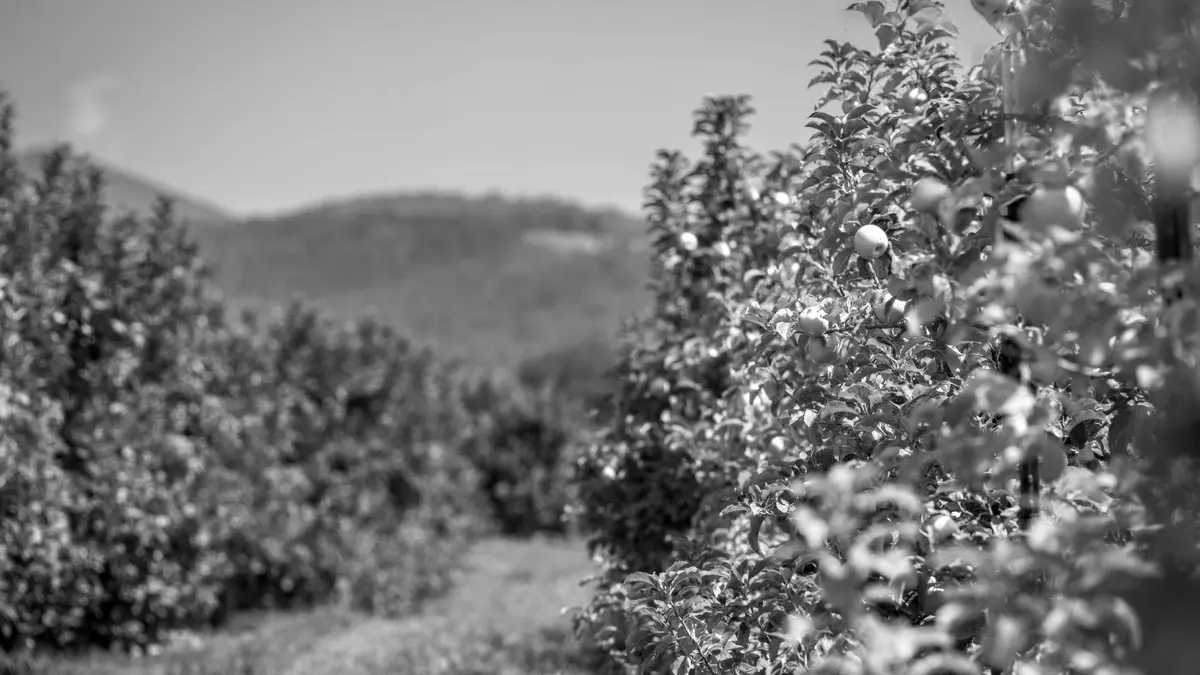
Can an apple orchard be responsible for an injury?
An apple orchard may be responsible when an unsafe customer area and a failure to use reasonable care cause an injury. I would begin with the place where you were hurt and the reason visitors were using it. That helps identify the operator's responsibilities and the evidence needed to pursue a premises claim.
I look closely at how the orchard served its visitors and the safety measures that setting required. A working row and a market entrance have different uses, and those differences matter. The investigation should focus on the particular danger and the precautions appropriate for that customer area.
Which apple orchard areas were open to customers?
Signs and staff directions can show where customers were expected to walk. A visitor following the marked route may have different circumstances from someone entering a closed equipment area. Preserve a map or admission record if it explains where the activity was offered.
The actual arrangement matters more than a general description of the farm. For example, a path may serve as the only route between parking and the market. That use can be important even if the path crosses unpaved ground. Photographs should show the route as well as the particular defect.
What separates an ordinary condition from a dangerous one?
The condition should be assessed in the context of the visit. A concealed hole along a directed customer route may present a different risk from a visible slope in a picking area. I would examine the approach and visibility to explain why the particular condition called for attention.
Your account, photographs and witness observations can help establish the cause of the fall. If some details are unclear, I would identify the records or further investigation that may resolve them. Developing those facts gives us a basis to explain how the condition and the operator's response relate to the injury.
Why do inspection and notice matter?
Earlier complaints or evidence that staff created a hazard may be important to the claim. Inspection records can also help establish how long a condition existed and whether reasonable care should have uncovered it. I would investigate those sources so that the history of the danger receives proper attention.
Comparing inspection records with witness observations helps establish what actually occurred at the location. A written practice and its implementation are separate matters to examine. I would use the available evidence to explain the opportunity to discover and address the condition before your injury.
What if an outside company ran the attraction?
The orchard may have hosted an activity operated by another business. A separate operator’s role should be investigated if the injury involved its equipment or staff. The farm may retain other responsibilities. The event name does not identify all of the potentially relevant parties.
Keep tickets and any waiver for review. I would consider their legal effect under the applicable law while investigating the condition and each business's role. That preparation helps us address potential defenses and pursue the claim with a clear understanding of the evidence and legal issues.
Related reading
Sources and further reading
About Michael B. Fusco
I am Michael B. Fusco, a New Jersey personal injury attorney Certified by the Supreme Court of New Jersey as a Civil Trial Attorney. My approach is to investigate the facts carefully and explain what the evidence supports. Read my biography and credentials.
Discuss your personal injury questions
If you were injured and have questions about your options, I am happy to discuss them with you. Bring the information you have, and we can talk about the work needed to investigate and pursue an appropriate personal injury claim. Contact Fusco Law or call 732-465-8733.
This article provides general information and does not constitute legal advice. Every matter depends on its facts and the applicable law. Contacting the firm does not by itself create an attorney-client relationship.