Why does temporary flooring need prompt investigation?
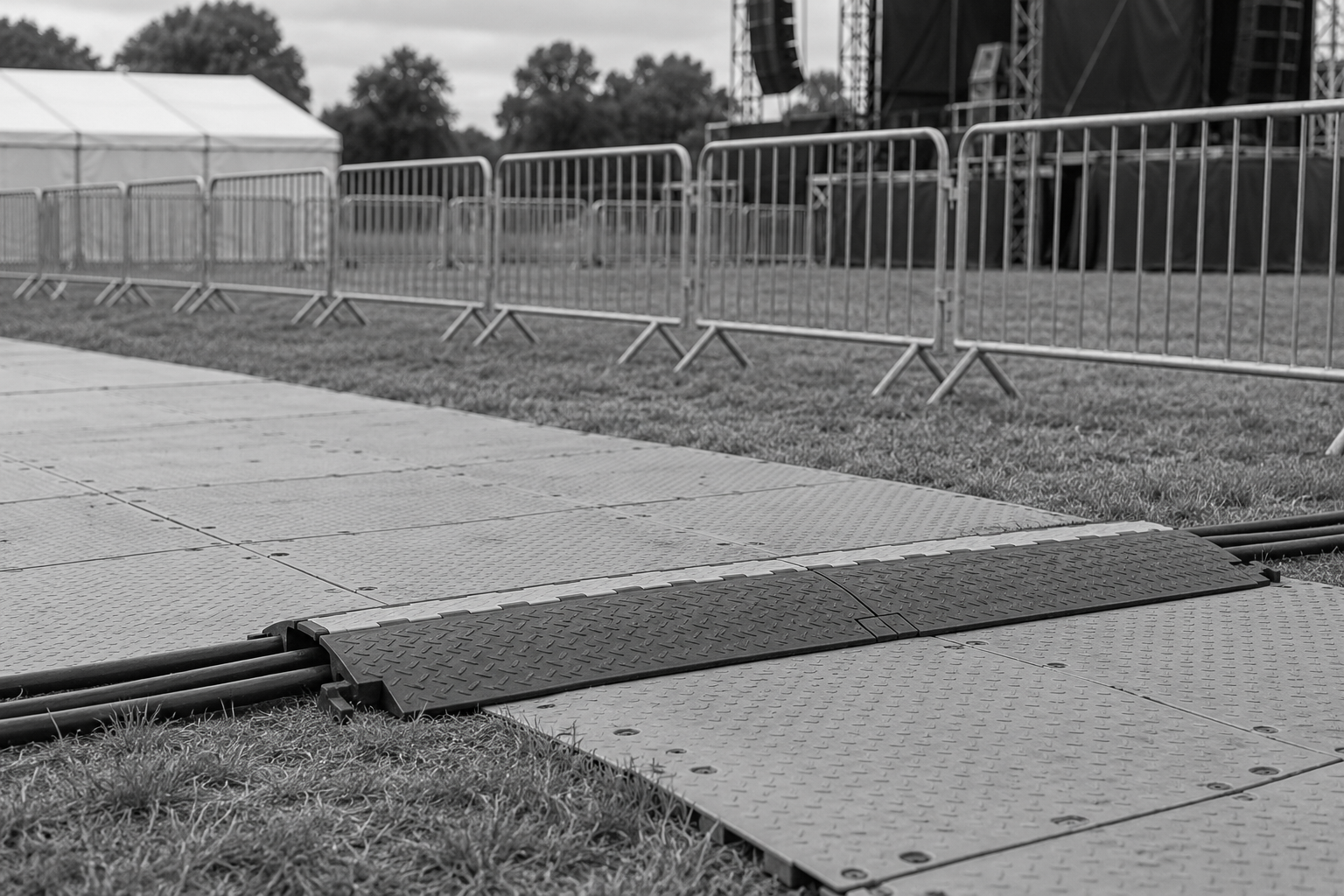
Temporary flooring can be dismantled soon after an event, making early preservation important to an injury claim. A raised edge or unstable surface may be shown in photographs taken before teardown. I would identify those records and seek preservation of the relevant equipment so the condition can be properly examined.
Protecting a temporary setup early can preserve the evidence needed to explain your injury. Cable covers and barriers may also be important when their placement contributed to the incident. The investigation should establish how the installation or maintenance affected the route visitors used.
What should temporary flooring photographs show?
A close-up may reveal a curled surface or height difference. A wider photograph can show whether the feature was visible along the route guests were directed to use. Both perspectives help explain the condition. Include the surrounding lighting when it can be documented safely.
Photograph the scene as it is when that can be done safely. If staff later move a cover or barrier, note what you observed and when. That timeline can help us distinguish the original condition from later changes while avoiding the risks of moving equipment yourself.
Who was responsible for the installation?
Setup records may identify the supplier and installer, while later communications may show who moved a barrier or added a cable. I would trace those steps to understand who was responsible for the condition at the time. That approach can uncover roles that the name on the equipment alone would not explain.
Contracts can help establish assigned duties, and witness accounts can explain how the setup was managed during the event. I would examine both to identify who could inspect or correct a problem. Developing that history helps connect the unsafe condition with the appropriate party.
Evaluate whether a warning addressed the actual hazard
I would examine a warning from the direction a visitor approached. Its visibility and message should be considered alongside the route guests were directed to use. That helps assess whether the precaution reasonably addressed the particular danger rather than simply establish that a cone was somewhere nearby.
Evidence of a setup error, earlier complaint or adjustment may help establish the responsible party's knowledge or involvement in creating the condition. I would seek that history while the people and records are identifiable. It can provide important support for explaining why the danger should have been addressed before your injury.
What should happen to the equipment afterward?
Counsel can seek preservation and an appropriate inspection through the responsible business. Identifying the component and its location helps make that request useful. Leave the equipment in place and tell your lawyer what you observed so the necessary steps can be taken through the proper process.
If public property was involved, I would address the applicable notice requirements promptly while also investigating private contractors' responsibilities. Protecting deadlines and developing the installation evidence can proceed together. The goal is to build the claim around the condition that caused your injury and the people responsible for addressing it.
Related reading
Who Controls Safety Inside a Large Beachfront Music Festival?
Sources and further reading
About Michael B. Fusco
I am Michael B. Fusco, a New Jersey personal injury attorney Certified by the Supreme Court of New Jersey as a Civil Trial Attorney. My approach is to investigate the facts carefully and explain what the evidence supports. Read my biography and credentials.
Discuss your personal injury questions
If you were injured and have questions about your options, I am happy to discuss them with you. Bring the information you have, and we can talk about the work needed to investigate and pursue an appropriate personal injury claim. Contact Fusco Law or call 732-465-8733.
This article provides general information and does not constitute legal advice. Every matter depends on its facts and the applicable law. Contacting the firm does not by itself create an attorney-client relationship.