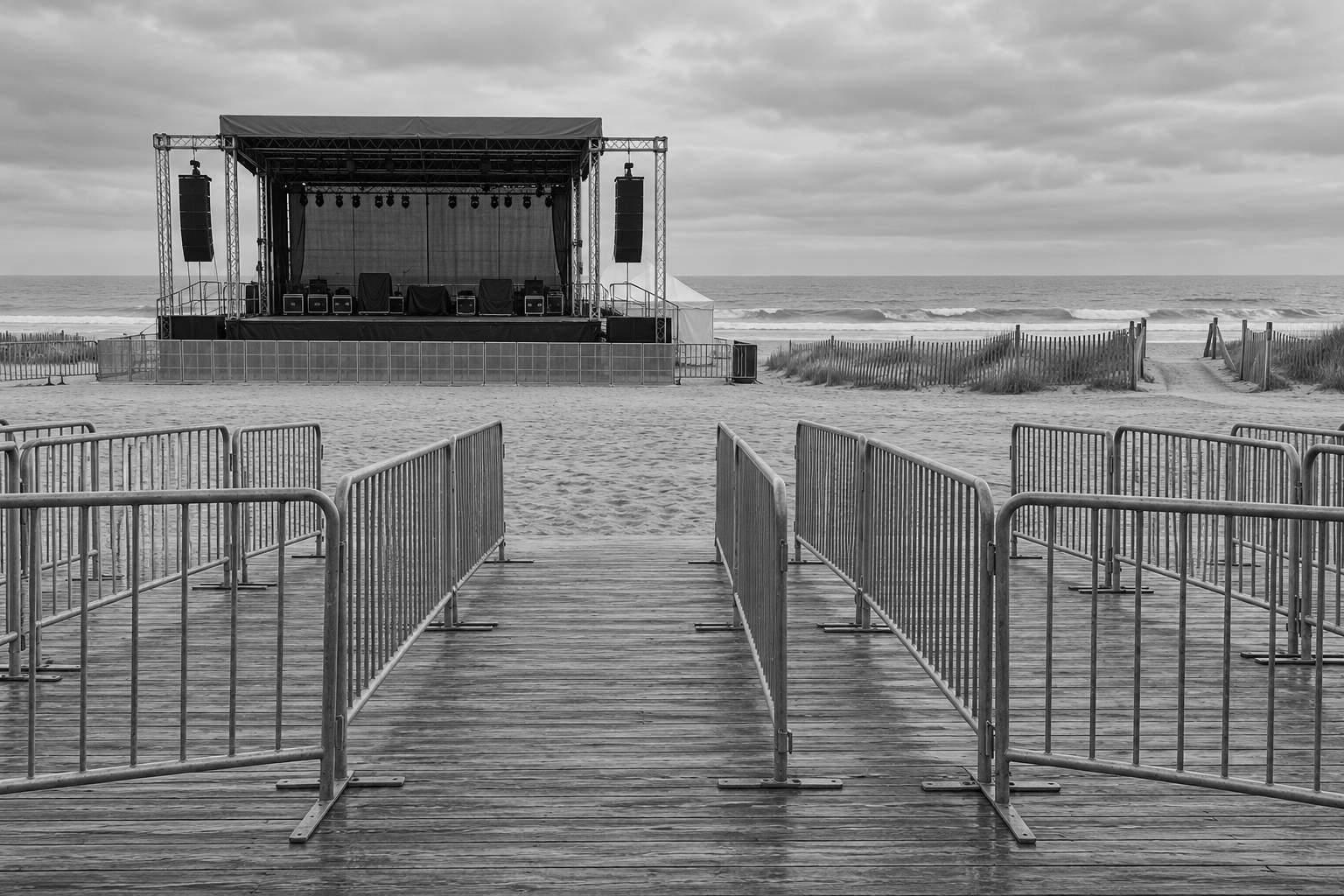
Who controls a beachfront music festival?
At a beachfront music festival, several businesses may share responsibility for different parts of the operation. I would investigate the particular condition or crowd-management decision involved in your injury and identify who controlled it. Contracts and operational records can help establish those roles.
My role is to identify the safety responsibilities and build the evidence for holding the appropriate parties accountable. A loose cable and an unsafe exit require different inquiries, but both deserve focused attention. Starting with the specific incident helps identify the duty and the conduct that can support your claim.
What do beachfront music festival contracts establish?
Contracts may assign installation, inspection or staffing responsibilities. Those documents are useful, but they need to be compared with actual operations. A company may have undertaken a task in practice even if its title suggests a narrower role.
I would examine who installed the relevant equipment and who was expected to monitor it during the event. A company may have duties under an agreement or through the work it actually undertook. Establishing those responsibilities helps us address the right parties with evidence of their role.
How are crowd conditions evaluated?
Expected attendance and the layout may help explain the precautions that were reasonable. A narrow route near a popular stage may present a different problem from an isolated trip hazard. Video and staff accounts can show how people were directed and whether conditions changed before the injury.
A claim involving crowd management should connect an unreasonable failure with the injury. I would look at how visitors were directed and what staff knew about developing conditions. Participation in a concert should be considered in context, with careful attention to the specific safety issue that caused harm.
Does the beachfront location change the claim?
A public beach or boardwalk can introduce Tort Claims Act standards and potential immunities. I would identify any public role early and separately investigate the duties of private contractors or operators. That allows each possible claim to be assessed under the correct legal framework while deadlines are protected.
Public-entity notice generally requires prompt attention within 90 days of accrual, subject to applicable exceptions. An event complaint or refund request is not a substitute for examining that requirement. I would identify possible public involvement early without waiting to resolve every contract issue.
What should a guest keep?
The ticket and event map may help identify the operator and the intended route. Photographs of the exact location are useful if they can be taken safely. Preserve the original files and any communication reporting the incident. Staff names or work locations can help identify people with relevant knowledge.
Keep any waiver for review alongside the ticket and event records. I would consider its effect while developing the evidence of how the festival operated. You should understand what the investigation shows, how potential defenses are being addressed and the available path toward pursuing the claim.
Related reading
What Makes Temporary Flooring, Cables, and Barriers Important Evidence?
Sources and further reading
About Michael B. Fusco
I am Michael B. Fusco, a New Jersey personal injury attorney Certified by the Supreme Court of New Jersey as a Civil Trial Attorney. My approach is to investigate the facts carefully and explain what the evidence supports. Read my biography and credentials.
Discuss your personal injury questions
If you were injured and have questions about your options, I am happy to discuss them with you. Bring the information you have, and we can talk about the work needed to investigate and pursue an appropriate personal injury claim. Contact Fusco Law or call 732-465-8733.
This article provides general information and does not constitute legal advice. Every matter depends on its facts and the applicable law. Contacting the firm does not by itself create an attorney-client relationship.