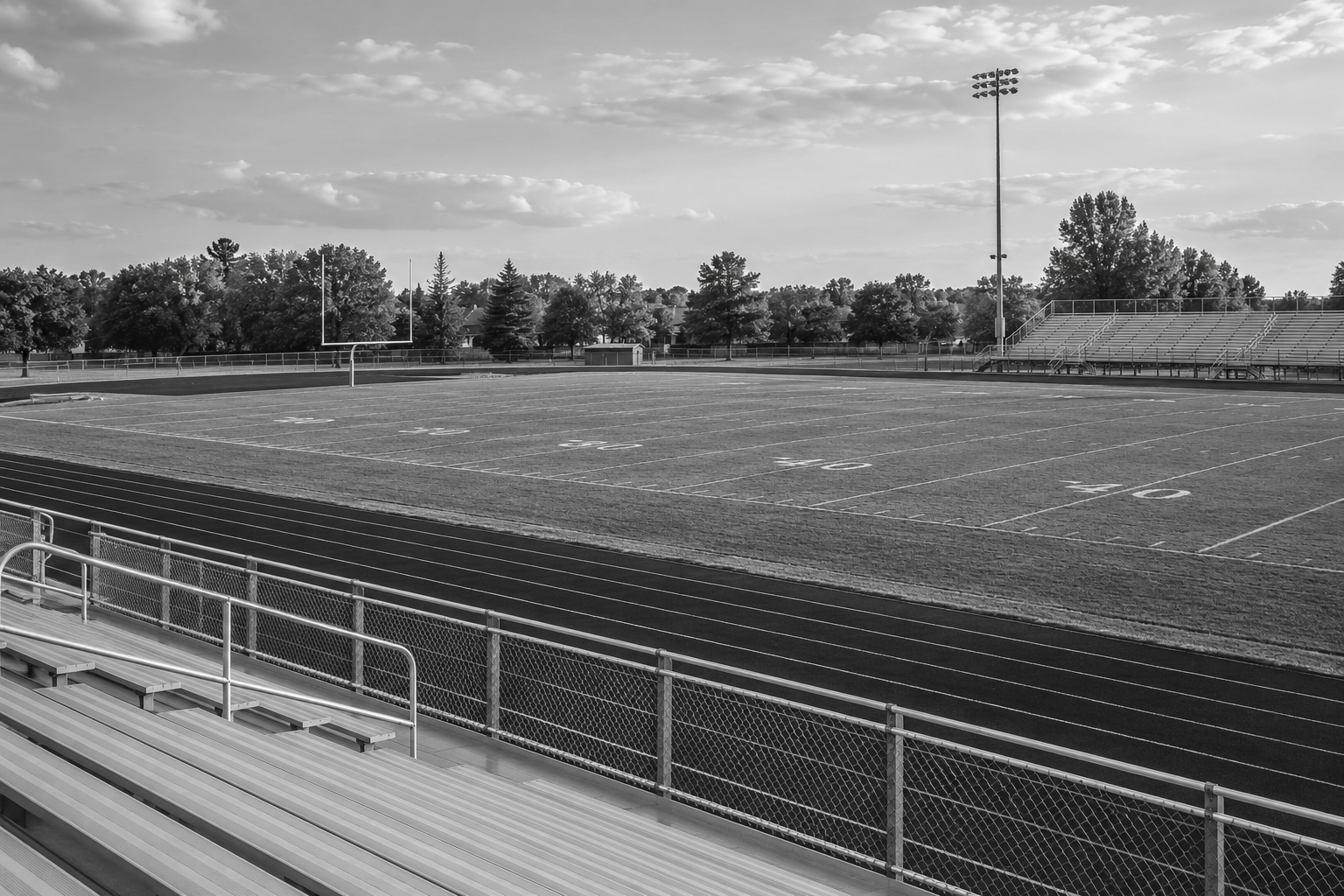
Which records matter after a high-school football game injury?
After an injury at a high-school football game, early attention to the records can help explain what happened and protect a potential claim. I would identify the relevant area and the person's role at the event. A spectator's damaged step and an incident during play require different legal analysis, so the investigation should fit the actual injury.
Protecting the records and deadlines early gives your family room to concentrate on recovery. A focused preservation request can identify the footage or maintenance records relevant to the incident. That gives the investigation a practical starting point and helps protect evidence that may otherwise be lost.
What high-school football game records help a spectator claim?
Photographs can document the route through the stands and the condition involved. Incident reports may identify the staff who responded. If the claim concerns a maintenance problem, earlier complaints or repair records may help establish whether the responsible party knew about it.
Photographs from before any repair may help establish the original condition. Keep their dates and sources so they can be placed in context. A later repair may raise evidence-rule limitations, which I would evaluate separately; the priority is developing a clear record of what the visitor encountered.
What is different about a player’s injury?
A player's injury requires an assessment of the activity and the roles of those involved. Conduct during competition may be judged under different standards from an ordinary premises claim. I would examine whether the circumstances call for review of another participant, coaching decisions or equipment, and apply the law relevant to that issue.
Game footage and medical response records can help establish the sequence and consequences of the incident. Any athletic forms should be preserved for legal review. That investigation helps identify whether a claim is supported and what additional evidence would be needed to pursue it.
Who operated the part of the event involved?
Contracts and staff assignments can identify the business responsible for the part of the event involved. A private concession or service provider may have a role separate from the school. I would investigate those relationships so potentially responsible parties receive the appropriate attention.
If the injured person was working, workers’ compensation may also need review. That question is distinct from a possible claim against an outside negligent party. Benefits, liability and any reimbursement rights should be considered together without treating them as the same claim.
Why should public-school deadlines be addressed early?
Claims involving a public school district may fall under the Tort Claims Act. Formal notice is generally required within 90 days of accrual, with exceptions and special rules that need individual review. A school incident form should not be assumed to satisfy the statutory requirement.
Student records and video may involve privacy restrictions, which can be addressed through appropriate requests and legal procedures. I would seek preservation while evaluating lawful access. Identifying the responsible entities and protecting deadlines early allows the evidence to be developed while the injured person and family focus on care.
Related reading
Why Do Accurate Activity Limits Matter When School and Sports Resume?
Sources and further reading
About Michael B. Fusco
I am Michael B. Fusco, a New Jersey personal injury attorney Certified by the Supreme Court of New Jersey as a Civil Trial Attorney. My approach is to investigate the facts carefully and explain what the evidence supports. Read my biography and credentials.
Discuss your personal injury questions
If you were injured and have questions about your options, I am happy to discuss them with you. Bring the information you have, and we can talk about the work needed to investigate and pursue an appropriate personal injury claim. Contact Fusco Law or call 732-465-8733.
This article provides general information and does not constitute legal advice. Every matter depends on its facts and the applicable law. Contacting the firm does not by itself create an attorney-client relationship.