Mike’s Quick Answer
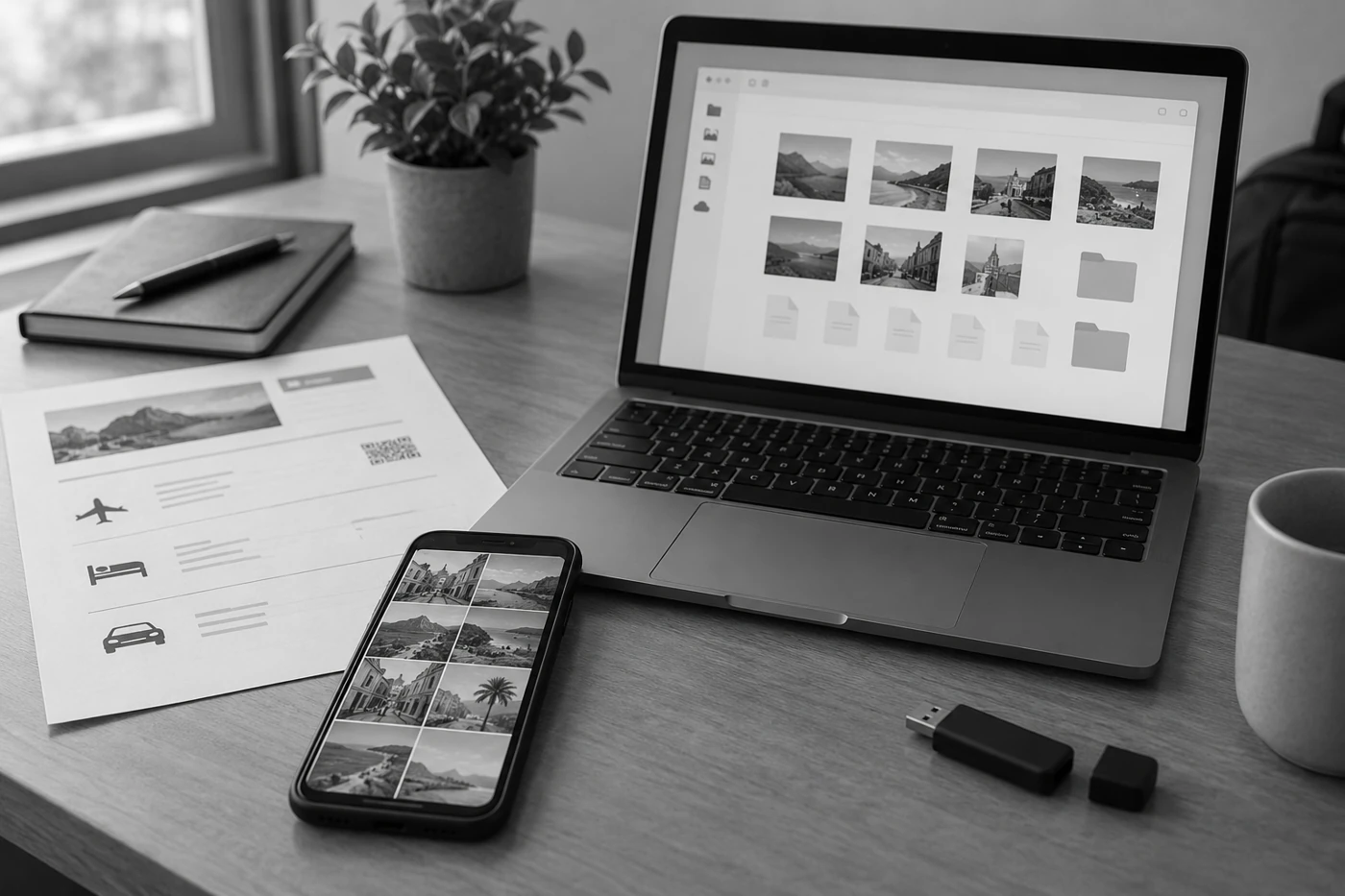
Digital records from a trip can help establish where an injury occurred and which business was involved. A reservation or ride receipt may identify a company that is not apparent from a sign. Original photographs can show the setting before it changes. Keeping those ordinary records is a useful first step after an incident.
I help preserve the records that support your account while keeping the investigation focused on what matters to your claim. You do not need to perform a technical examination of your phone. The initial goal is to retain what already exists and discuss which additional information may need a timely request.
Starting With Digital Records of the Booking
A confirmation email may identify the property address and the business that accepted the reservation. That can be important when the name used in an app differs from the legal entity operating the location. I would review the complete confirmation rather than rely only on a screenshot of the listing title.
For a ride or rental vehicle, the transaction may help establish the time and purpose of use. A cancelled booking can also be relevant if it explains why the actual arrangement changed. Preserve the records as they appeared in the ordinary course, including associated messages.
If the incident happened outside New Jersey, the location may affect the governing law and available court. I would address that question early. A New Jersey resident’s injury during travel is not automatically governed by New Jersey law simply because the person returns home for treatment.
Keeping Original Photographs and Messages
An original image may contain information about when or where it was taken. A forwarded or edited copy can lose some of that information. Keep the original file when possible and make separate copies for any annotations or cropping used to explain it.
The same principle applies to messages. A single screenshot may show one sentence without the surrounding conversation. Preserving the full relevant exchange helps establish the sequence and who was communicating. I would discuss a practical collection method rather than ask you to send an entire account without considering relevance and privacy.
Do not enter someone else’s account or bypass a password to obtain information. Relevant records held by others should be sought through lawful channels. Protecting a claim should not create a separate problem through unauthorized access.
Requesting Records Held by a Business
A hotel may keep entrance-camera footage while a platform keeps booking information. Those are different sources with different retention practices. I would identify the record that could answer the disputed question and direct a focused request to the appropriate recipient.
Preservation is different from production. A business may be asked to retain relevant material even though it will not provide it voluntarily. A subpoena or other discovery process may later be needed. The early request helps identify what should not be routinely discarded while the legal process develops.
A request should be specific enough to be useful. The location and time range can help a recipient find the relevant camera or transaction. Where the exact time is uncertain, we can use available records to narrow it rather than assert a false level of precision.
Protecting Privacy While Developing the Claim
An injury investigation does not make every part of a person’s digital life relevant. I would start with the facts in dispute and explain why particular information may matter. That approach can protect useful evidence while limiting unnecessary exposure of personal material.
At the same time, potential evidence should not be deleted or altered once a claim is anticipated. If you have concerns about unrelated private material, discuss them with counsel before making changes. We can address preservation and any appropriate limits through the proper process.
Some records may support the account in a way that is not obvious at first. A receipt can establish presence, for example, without proving what caused a fall. Understanding that limited purpose helps use the record accurately. I would connect each item to the question it actually answers.
Making Digital Records Usable
Collecting files is only the beginning. We may need to establish where a record came from and whether it fairly represents the event. The person who took a photograph or the business that maintains a system may help provide that foundation.
I would also compare digital information with the physical evidence and witness accounts. Device clocks may differ, and location information has limits. Those issues can be examined rather than ignored. A careful explanation of what the records show strengthens the reliability of the claim.
It is useful to keep a simple note about where each file came from. You do not need a complicated spreadsheet. Knowing that a particular image was taken by a family member shortly after the incident may help identify the appropriate witness later.
Questions About Digital Records
What if I have only screenshots?
Keep them. They may contain useful information even if an original export would provide more context. We can discuss whether the underlying record is still available and how it might be obtained.
Should I wait until I return home to contact a lawyer?
You can contact us while travelling, particularly if relevant evidence may disappear. We can discuss the location, the type of incident and any immediate preservation concerns while determining what legal assistance is appropriate.
Sources and Further Reading
About Michael B. Fusco
I am Michael B. Fusco, a New Jersey personal injury lawyer Certified by the Supreme Court of New Jersey as a Civil Trial Attorney. I help injured people understand their options and develop the evidence needed to present their claims. My approach is to explain what we know, identify what still needs investigation and keep you informed as the case develops.
Discuss Your Injury With Mike
If you were injured and have questions about the circumstances discussed here, I am happy to talk with you. We can review the information you have and discuss what further investigation may help. Call 732-465-8733 or contact Fusco Law for a free personal injury consultation.
General Information
This article provides general information, not legal advice. The law’s application depends on the facts of the particular matter. Contacting Fusco Law does not establish an attorney-client relationship; representation begins only after a written agreement.