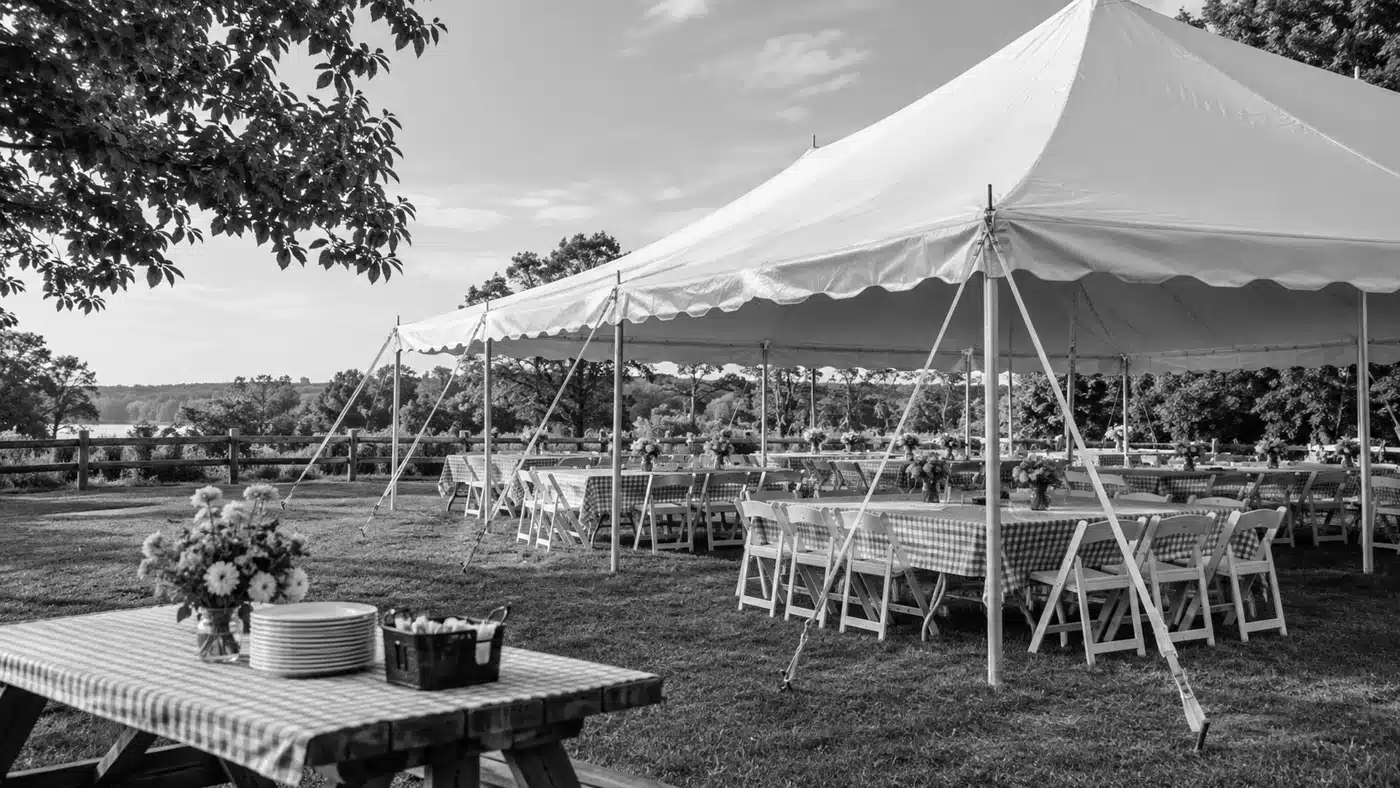
Who may be responsible for a private event injury?
A private event injury may involve the organizer, property owner or a contractor whose work contributed to the harm. Responsibility depends on the particular condition or activity and the duty owed in those circumstances. The name promoting an event does not automatically identify every party that controlled its setup.
Guests deserve reasonable care, and each organizer's role should be examined when an event injury occurs. I would begin with the exact location and what caused the injury. That allows the investigation to follow the actual responsibilities rather than assume the host is the only possible party or that hiring a vendor resolves every question.
Distinguish a social gathering from a commercial event
A gathering at a private home can involve different premises duties from an event held for paying customers at a commercial venue. The relationship between the guest and the property occupier matters. So does whether the injury arose from a property condition or an activity conducted there.
That distinction should be evaluated carefully rather than reduced to the word "private." A privately owned catering hall and a friend's backyard are both private property, but they do not necessarily present the same legal analysis.
Tell counsel why you were there and how the event was arranged. An invitation or ticket can help explain the relationship. The purpose is to identify the applicable duty and the conduct at issue, not to assume that every guest has the same claim simply because an injury occurred.
Identify the party controlling the condition
An event organizer may rent a venue while a separate company installs equipment. Another contractor may manage the area where guests enter. The relevant responsibility follows the facts and the applicable law, not just the most visible name on a banner.
Contracts and setup records can help explain who undertook a particular task. Actual conduct matters as well. If a company installed a temporary walkway, the investigation should address the work it performed and how the condition affected the guest.
More than one party may have a relevant role, but each should be evaluated separately. A vendor's presence does not make it responsible for an unrelated condition elsewhere at the event. A focused inquiry is more useful than naming every participant without a connection to what happened.
Preserve the temporary layout
Event conditions can disappear quickly. Equipment may be removed the next morning and promotional pages may change after the weekend. Photographs and records from the actual event can therefore provide information a later visit cannot reproduce.
Keep your invitation or ticket and any photographs already taken. A wider image may show where an entrance or temporary installation stood. Witness contact information can help establish the condition and the sequence of events.
Do not enter a closed venue or put yourself at risk to gather more evidence. Counsel can consider preservation requests and the appropriate means of obtaining setup plans or other records. The client's immediate medical needs should remain the priority.
Examine notice and the opportunity to respond
For a condition-based claim, whether a responsible party created the hazard or had notice may be important. A report made before the injury can have a different significance from a report made afterward. The timing should be established as accurately as possible.
Evidence that a condition existed for a period of time may bear on whether it should have been discovered through reasonable care. The applicable duty and the nature of the event affect that analysis. A brief assumption that someone "must have known" is less useful than testimony or records showing what was observed.
If the injury arose from an activity, the inquiry may focus on how that activity was conducted. A setup failure and careless operation can raise different questions. Identifying the mechanism helps determine which records and professional opinions may be needed.
Review waivers and special legal issues
A ticket or registration may contain terms affecting a claim. Obtain the full document rather than relying on a summary. Whether a waiver is enforceable and what it covers depend on the language and the circumstances; its existence does not automatically settle the matter.
A nonprofit or charitable organizer may raise a separate immunity question under New Jersey law. That requires a specific review of the organization, its activity and the injured person's relationship to it. A nonprofit label alone should not replace that analysis.
Public property or municipal involvement can also introduce different rules and short notice requirements. Those issues should be checked early even when a private group organized the gathering. The goal is to identify the actual legal setting and preserve the available options while the investigation continues.
Consider insurance without assuming it decides fault
The venue or organizer may carry liability insurance, and a contractor may have its own policy. A certificate of insurance can provide a lead, but the actual policy and coverage position matter. The existence of insurance does not itself establish negligence.
Contracts may also allocate responsibility between businesses. Those arrangements can affect how the parties respond to a claim without automatically deciding what the injured guest must prove. Counsel can review the documents alongside the evidence of the event.
A private event injury should be evaluated through both the responsibility investigation and the medical proof. Describe the symptoms accurately to providers and preserve information about the effect on work or ordinary activities. A supported account of the injury gives meaning to the liability evidence.
You do not need to know every organizer or contractor before asking for help. The location, invitation and your account can provide the starting point. A timely review can identify the relevant parties and help you understand the options the facts and law may support.
Sources and Further Reading
About Michael B. Fusco
Michael B. Fusco is a New Jersey personal injury attorney certified by the Supreme Court of New Jersey as a Civil Trial Attorney. Read Mike’s biography and credentials.
Discuss Your Personal Injury Questions
If you have questions about an injury in New Jersey, I am happy to discuss what happened and the options the facts may support. You do not need to have every document or answer before contacting us. Call 732-465-8733 or contact Fusco Law for a free personal injury consultation.
General Information
This article provides general information, not legal advice for a particular situation. Laws and policy terms must be applied to the actual facts. Reading this article or contacting the firm does not, by itself, create an attorney-client relationship.