When is an MRI after an accident useful?
An MRI after an accident does not become useful on a fixed legal timetable. The right timing depends on the medical question your provider is trying to answer. Some findings may be visible soon after an injury. Other questions require the scan to be considered alongside an examination, earlier records or the way symptoms develop. Your provider should decide whether and when the test is appropriate.
From the legal side, I want to understand what the study establishes and how the physician connects it to the accident. The medical evidence is strongest when it explains the injury in the context of the person who experienced it. A phrase in a radiology report is useful information, but it is not the whole history of your injury.
Understand the difference between an image and an opinion
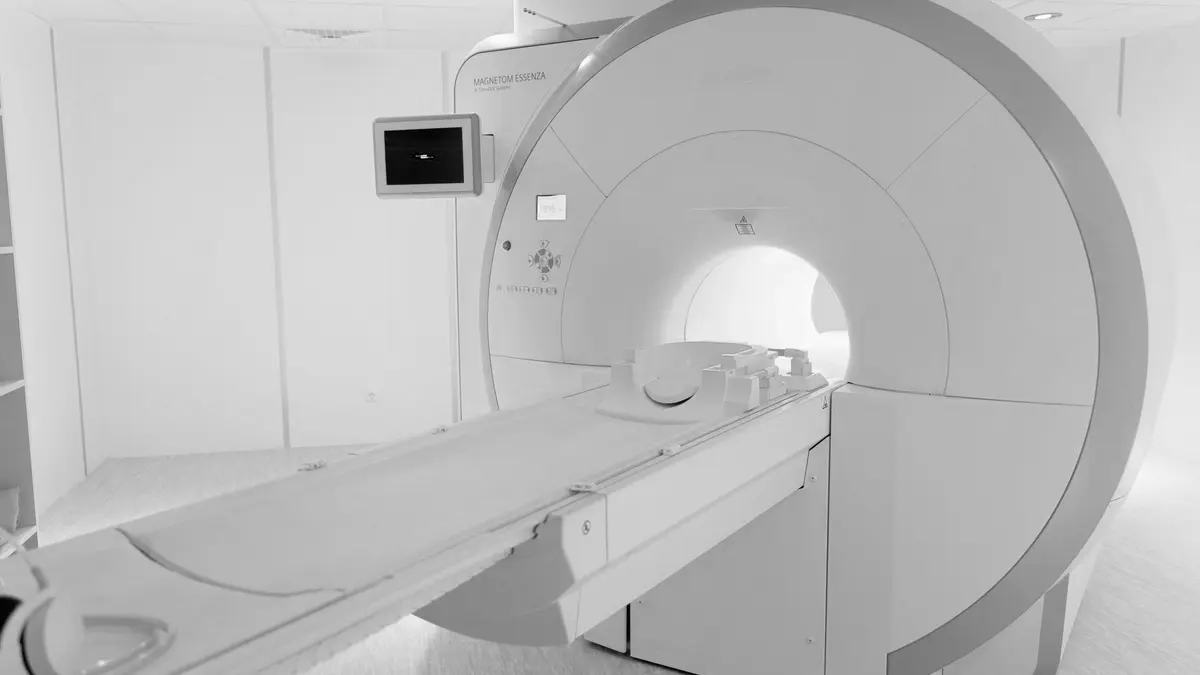
MRI uses a magnetic field and radio waves to produce detailed images. It can help evaluate structures that may not be shown as clearly on an ordinary X-ray. A radiologist interprets the images and prepares a report. Your treating provider then considers that information with your symptoms and examination.
Those are related steps, but they answer different questions. A report may describe a disc abnormality without determining whether it explains your particular symptoms. The treating physician may need to compare the level and location of a finding with the area where you experience pain or weakness.
Ask the provider to explain unfamiliar terminology in ordinary language. You should be able to understand why the study was ordered and what the result means for care. A lawyer can help organize the medical proof for a case, but should not turn a technical phrase into a diagnosis the physician has not made.
Let medical need determine the timing
There is no reason to delay necessary care while waiting for an injury to become more visible for a lawsuit. Similarly, an MRI should not be obtained simply because someone believes every claim needs one. The medical decision belongs to the patient and the appropriate professional.
If a provider recommends imaging but authorization or scheduling causes a delay, preserve the relevant communications. That may help explain the interval between the accident and the scan. The date of the test alone may not show when symptoms began or when the physician first considered the study necessary.
If your symptoms change while you are waiting, contact a qualified provider for guidance. Questions about urgency, safety and other testing should be directed to medical professionals. The legal case should follow an accurate account of appropriate care rather than dictate the course of treatment.
Compare the findings with the earlier history
People often ask whether an MRI after an accident can prove that a finding is new. Sometimes the images and comparison studies provide useful information, but a scan does not place an exact date on every abnormality. The physician may need to consider earlier symptoms and the mechanism of the injury as well.
An older study can be helpful even when it contains findings. It may establish a baseline against which the current condition can be assessed. Someone may have had an existing condition that was stable before an accident and became symptomatic or more limiting afterward. New Jersey law recognizes claims involving aggravation of a preexisting condition when the necessary connection and damages are established.
Tell your lawyer about prior imaging and treatment. That allows the relevant comparison to be developed openly. The objective is to explain what changed, not to present an unrealistic account in which the person had no medical history before the accident.
Keep the report and the actual images available
A written report is not always enough for a medical expert's review. The underlying images may be needed, particularly when doctors disagree about their meaning. Keep any access instructions or image copies the facility provides and identify where the study was performed.
If several studies were done, their dates and body regions matter. A comparison of the wrong scan or an incomplete set can create avoidable confusion. Records should be organized so the reviewing physician understands which study belongs to which stage of care.
I also consider how the imaging fits with the rest of the evidence. Work restrictions and clinical findings may explain functional consequences that cannot be understood from an image alone. Your own account of daily limitations matters, but the medical conclusions must come from someone qualified to offer them.
Use the test as part of a complete explanation
A modest report should not be treated as a reason to dismiss someone's pain, and a dramatic-sounding report should not be treated as an automatic valuation of the case. Different findings have different clinical significance. The relevant question is how the evidence supports the diagnosis, causation and resulting limitations.
When opinions differ, the basis for each opinion deserves attention. What records were reviewed? Was the earlier history considered? Does the explanation account for the examination findings? Those are questions that can help clarify a genuine disagreement without disparaging either the patient or the professionals involved.
An MRI after an accident can be an important piece of the medical proof. Its value comes from a careful interpretation within the complete history. That approach helps a client understand the case and gives the insurer or factfinder a more reliable basis for evaluating the injury.
Sources and Further Reading
About Michael B. Fusco
Michael B. Fusco is a New Jersey personal injury attorney certified by the Supreme Court of New Jersey as a Civil Trial Attorney. Read Mike’s biography and credentials.
Discuss Your Personal Injury Questions
If you have questions about an injury in New Jersey, I am happy to discuss what happened and the options the facts may support. You do not need to have every document or answer before contacting us. Call 732-465-8733 or contact Fusco Law for a free personal injury consultation.
General Information
This article provides general information, not legal advice for a particular situation. Laws and policy terms must be applied to the actual facts. Reading this article or contacting the firm does not, by itself, create an attorney-client relationship.