
Why medical treatment receives so much attention
Medical treatment creates a record of an injury’s development. An insurer reviews that history to understand what was diagnosed and how the person responded to care. That makes the records important, but they need context. The number of appointments does not describe every effect of an injury or every obstacle a patient faced.
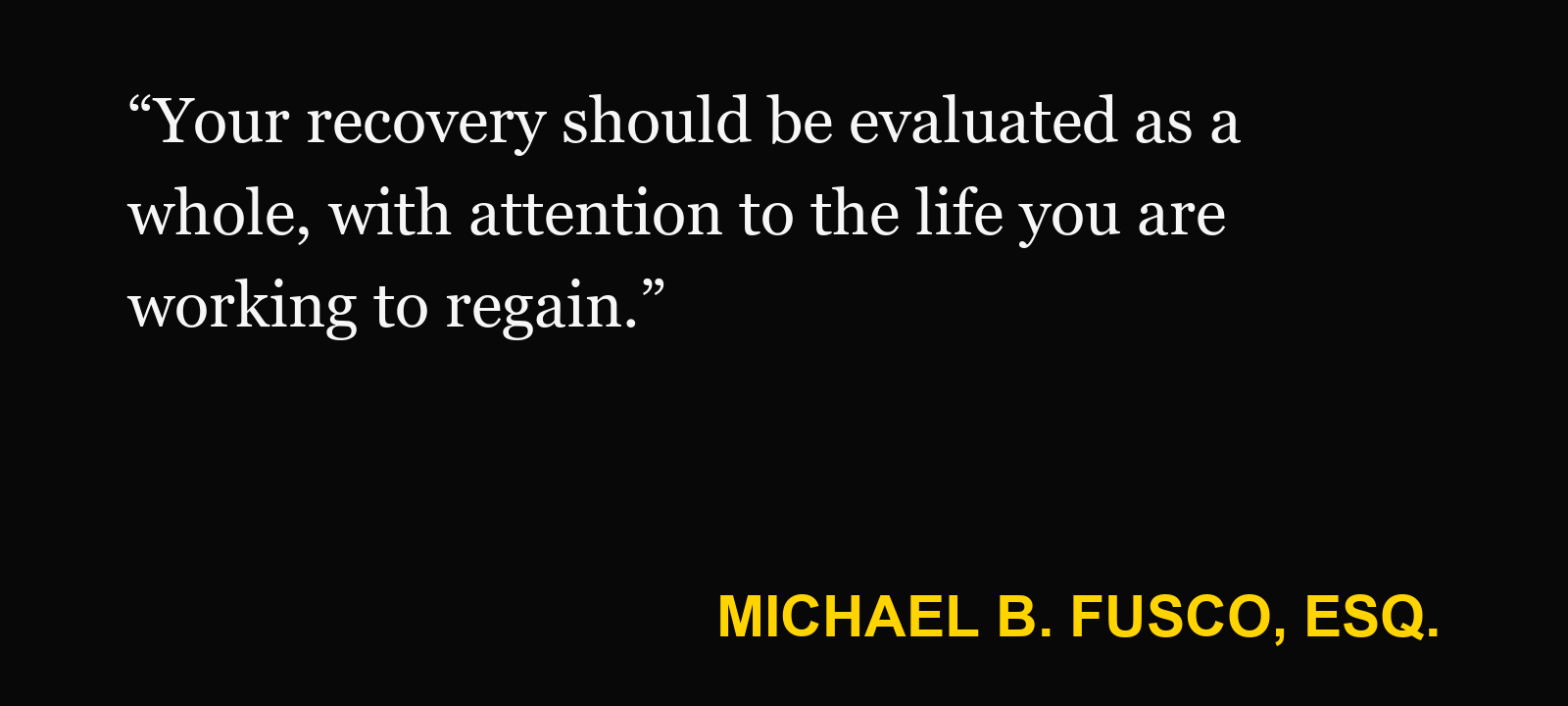
Your recovery should be evaluated as a whole, with attention to the life you are working to regain. My job is to connect the medical evidence with that experience and address conclusions that the complete record does not support.
The insurer is trying to understand a sequence
An adjuster may look at when symptoms were reported and what the first examination showed. Later records can explain why a referral was made or why a diagnosis became clearer. The chronology helps the parties evaluate whether the claimed condition is related to the incident.
A developing diagnosis is not necessarily an inconsistency. Different providers may address different questions as more information becomes available. An emergency evaluation and a later specialist appointment often have different purposes. The records should be read with those purposes in mind.
I organize the sequence rather than treating each visit as a separate point for or against the claim. Where an explanation is missing, I consider whether a provider can clarify it. That allows us to address the actual medical issue instead of debating a phrase removed from the surrounding history.
Medical treatment and daily function answer different questions
A treatment note may describe the examination without explaining every way the injury affects home life. A person may be able to perform a movement once in the office but struggle to repeat a task through a workday. The distinction needs to be evaluated, not assumed in either direction.
Your own accurate description helps supply that context. Explain the task, the difficulty and any assistance or adaptation involved. Appropriate employment records or testimony from someone with firsthand knowledge may also help. The evidence should show the actual effect rather than rely on a broad statement that life changed.
This also means that a limited treatment history does not, by itself, describe a minor injury. The available medical options and prognosis matter. A provider may recommend self-management after supervised care ends while acknowledging continuing restrictions. The claim should reflect that medical explanation and the supported limitations.
An interruption deserves a factual explanation
Insurance authorization and scheduling can affect access to care. So can ordinary responsibilities that become harder after an injury. If an insurer relies on a gap between visits, I want to know why it occurred and what instructions the provider had given.
A planned interval during a home program is different from a referral that never reached the next office. The records and correspondence may show the difference. Tell your lawyer about obstacles while they are happening so there is an opportunity to address them and preserve an accurate timeline.
If you felt better and later had renewed symptoms, explain that sequence honestly. The provider can assess the medical significance. We should not reshape the history to avoid a question from the insurer; we should understand the history well enough to answer the question fairly.
When an insurer questions the amount of care
The focus should be the medical reasoning. A recommendation may depend on the condition and the response to earlier treatment. The provider should determine what is appropriate and explain the basis where necessary. A lawyer should not prescribe more visits to influence a claim.
Ask for a written insurance decision and send it to your lawyer. A PIP payment dispute may involve procedures and deadlines separate from the injury claim against the responsible person. The applicable review process needs to be checked, including what clinical information the carrier says is missing.
The fact that treatment did not produce the hoped-for result does not answer whether it was appropriate when recommended. That question requires medical analysis. A careful response considers the goals, the information available at the time and the provider’s reassessment as the condition developed.
Your role is to report your experience accurately
Tell the provider what helps and what remains difficult. Include improvement rather than feeling that every visit must emphasize the worst symptoms. Accurate reporting helps medical decision-making and gives the legal case a more reliable foundation.
If the record contains a factual error, use the provider’s correction process and keep the original and response. A lawyer can review how the issue affects the claim. The objective is a clear explanation of the evidence, with any genuine disagreement addressed openly.
Do not change a treatment decision because an online article suggests it may affect settlement value. Discuss your health with a qualified provider. If coverage is creating a practical obstacle, bring that issue to your lawyer so the insurance question can be examined while the medical recommendation remains grounded in your needs.
Present the complete recovery
When I evaluate medical treatment, I look at what it explains about the injury and what additional evidence is needed. Bills may document charges, but the clinical records and supported prognosis tell a different part of the story. Your daily experience helps make that medical account understandable.
If an insurer’s summary leaves out important context, we can identify the missing explanation and the evidence that supports it. The goal is to have your claim evaluated on the actual recovery. You deserve a reasoned assessment that considers both the medical record and the practical consequences of the injury.
Sources and Further Reading
About Michael B. Fusco
Michael B. Fusco is a New Jersey personal injury attorney certified by the Supreme Court of New Jersey as a Civil Trial Attorney. Read Mike’s biography and credentials.
Discuss Your Personal Injury Questions
If you have questions about an injury in New Jersey, I am happy to discuss what happened and the options the facts may support. You do not need to have every document or answer before contacting us. Call 732-465-8733 or contact Fusco Law for a free personal injury consultation.
General Information
This article provides general information, not legal advice for a particular situation. Laws and policy terms must be applied to the actual facts. Reading this article or contacting the firm does not, by itself, create an attorney-client relationship.