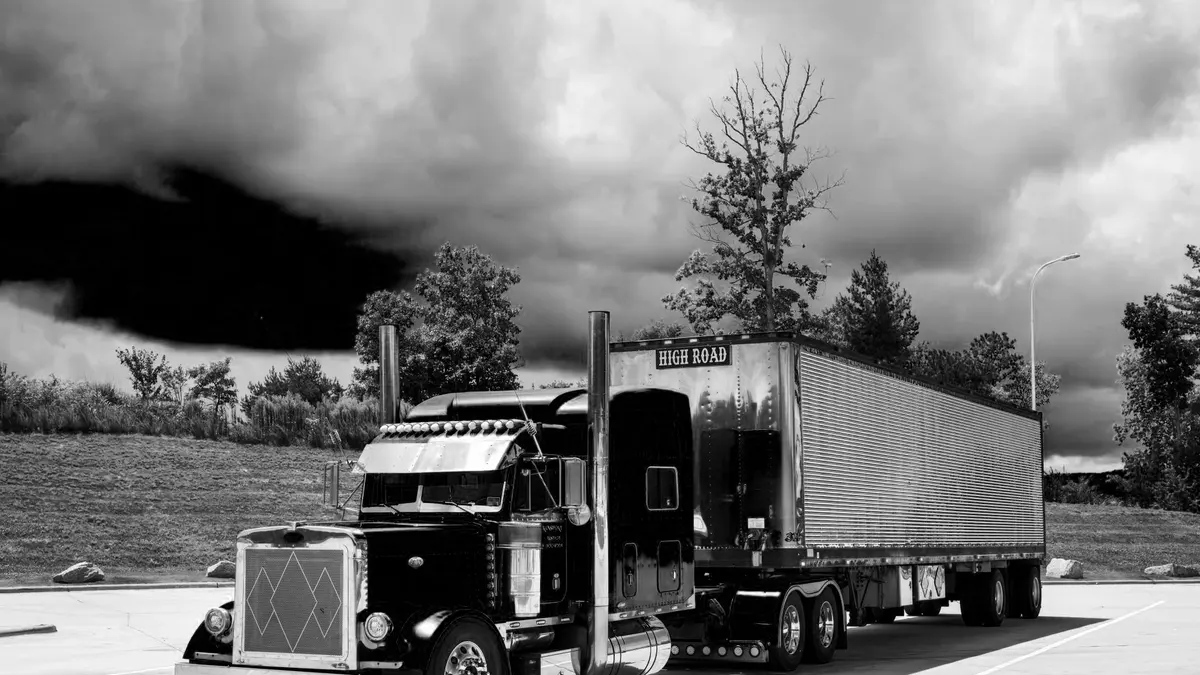
What an underride crash means
An underride crash occurs when part of a smaller vehicle moves beneath a truck or trailer. The height difference can affect how the vehicles make contact and how the passenger compartment is protected. These cases require careful attention to the actual equipment and collision sequence, particularly when the resulting injuries are serious.
Preserving both vehicles can help explain the collision and protect the injured person’s opportunity to seek accountability. A short report describing a rear-end impact may not answer whether the trailer’s visibility or protective equipment also played a role.
Rear and side contact raise different questions
At the rear of a trailer, the investigation may examine a rear-impact guard and how the smaller vehicle engaged it. At the side, the questions may concern a trailer crossing or blocking the travel path. The relevant geometry and equipment can differ substantially.
We need to know the actual point and angle of contact. The position of damage may help a qualified expert evaluate the sequence. The passenger vehicle’s condition can be just as important as the trailer’s because it shows how the structures interacted.
The inquiry should not begin with an assumption that one type of contact proves fault. A rear impact may involve questions about stopping or visibility as well as the following driver’s conduct. A side impact may require examination of the timing of a turn or crossing. The evidence determines which questions matter.
Visibility should be evaluated under the relevant conditions
A trailer can be large and still require careful analysis of how visible it was from a particular approach. Lighting and reflective material may be important. The angle of the trailer can affect what a driver could perceive and when the obstruction became apparent.
Scene photographs should be considered with the conditions at the time. A daytime image may not reproduce a nighttime view. A reconstruction professional may need measurements and other information to evaluate sight distance and available response time. Any recreation should be identified and evaluated for its limits.
The passenger driver’s speed and attention also belong in the analysis. The purpose is to establish a fair account of the available opportunity to respond. An insurer’s allocation of fault should be tested against that account rather than accepted merely because the smaller vehicle made contact with the trailer.
Protective equipment requires an equipment-specific review
Federal rear-impact protection requirements depend on vehicle characteristics and manufacture dates, with exclusions that must be checked. We need to identify the trailer and the applicable standard before stating what equipment was required. A general photograph cannot establish that conclusion.
Where a guard is involved, its attachment and condition may matter as well as its presence. Maintenance records may help show whether damage existed before the collision. A qualified engineering review may be needed to distinguish prior condition from damage caused by the impact itself.
A separate product claim requires its own legal and technical foundation. Compliance, design and causation can raise different issues, and side protection should not be assumed to be governed by every rear-guard requirement. I would evaluate the actual equipment and current law with appropriate experts before drawing a conclusion.
Routine handling can change important evidence
Towing and salvage may move or separate components. Repair may replace a light or alter a guard. These actions can occur for ordinary practical reasons, which is why early preservation efforts matter. A written request should identify the equipment and the need for appropriate inspection.
The passenger vehicle may contain electronic information or damage patterns relevant to the same questions. Preserving only the truck could leave part of the sequence unexplained. Coordination may be needed with the vehicle owner and the insurers involved so that access is addressed before disposal.
An injured person or family member should not attempt a technical inspection themselves. Keep the location of the vehicles and any photographs or reports you have. A lawyer can assess the steps needed for an expert inspection and appropriate evidence handling.
The medical consequences require their own development
Explaining the mechanics of an underride crash is only part of an injury case. The claim also needs evidence of the injuries and their effect on the person’s life. Medical providers may need time to assess recovery and future needs.
I want the medical and reconstruction work to address the actual questions without assuming that one automatically answers the other. An engineering opinion may explain contact. A medical opinion may explain the resulting condition. The client’s experience helps show the practical consequences, supported by the appropriate records.
When a family is managing a serious injury, that work should be organized in a way that reduces the burden where possible. You can identify what you know and what assistance is needed. The legal investigation should not depend on a family having technical answers during a difficult period.
Begin with preservation and a clear plan
If an underride crash is suspected, early review can identify which evidence needs protection and which professionals may be needed. The first goal is to preserve the opportunity to determine what happened accurately. Responsibility and potential recovery can then be evaluated against the developed evidence.
You do not need to know whether a guard violated a regulation before asking for help. Bring the available information about the collision and the vehicles. We can discuss the issues that deserve investigation and how they relate to the injury claim.
Sources and Further Reading
About Michael B. Fusco
Michael B. Fusco is a New Jersey personal injury attorney certified by the Supreme Court of New Jersey as a Civil Trial Attorney. Read Mike’s biography and credentials.
Discuss Your Personal Injury Questions
If you have questions about an injury in New Jersey, I am happy to discuss what happened and the options the facts may support. You do not need to have every document or answer before contacting us. Call 732-465-8733 or contact Fusco Law for a free personal injury consultation.
General Information
This article provides general information, not legal advice for a particular situation. Laws and policy terms must be applied to the actual facts. Reading this article or contacting the firm does not, by itself, create an attorney-client relationship.