Putting Fitness-Tracker Data in Context
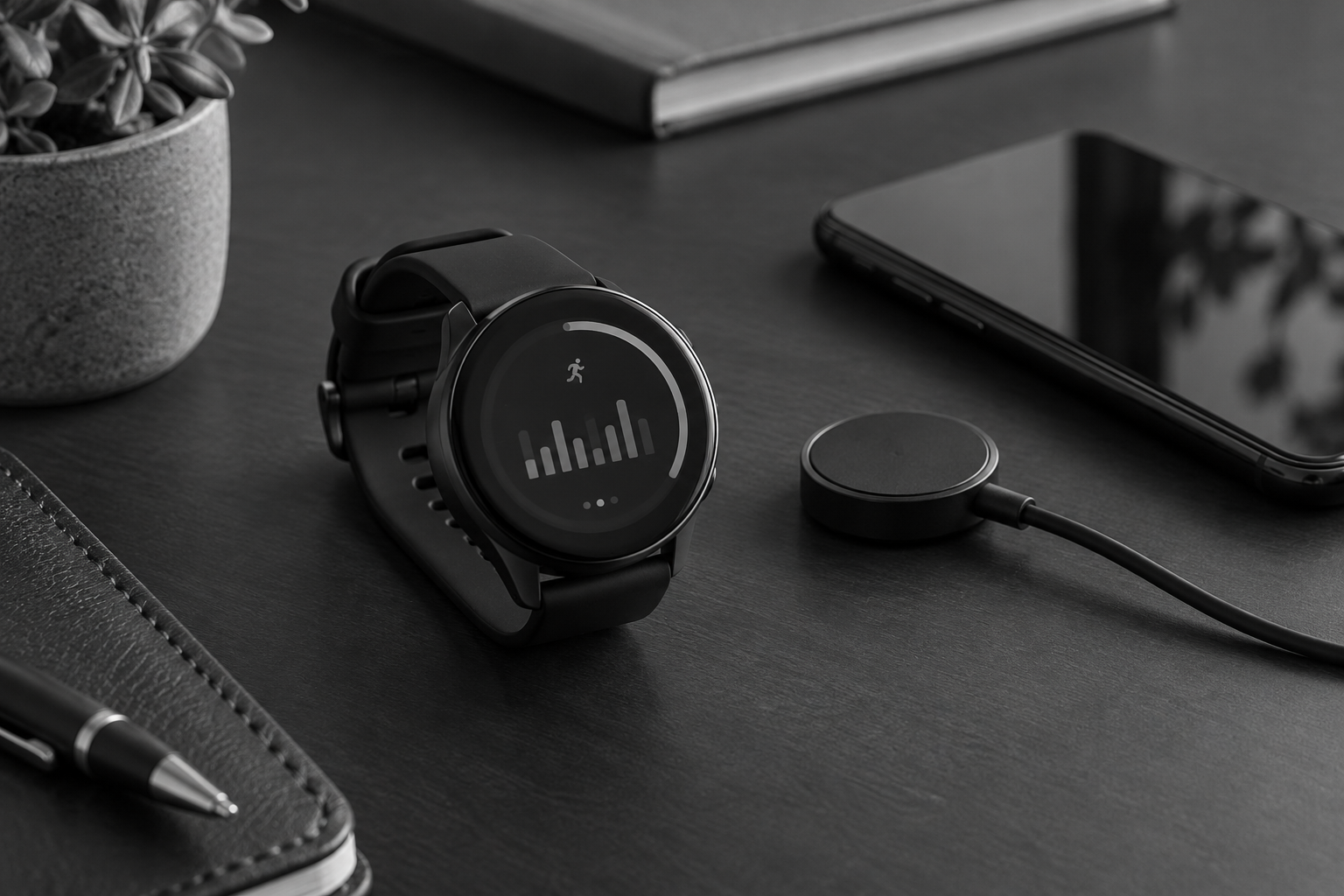
Fitness-tracker data can help explain how an injury changed your routine. It can also create a misleading impression when someone looks at a number without asking what it represents. I would want to know how you used the device before the accident, what changed afterward and whether the information actually answers a disputed question. A step count is one piece of evidence. It is not a measure of how much pain you experienced while taking those steps.
The effort you make to stay active deserves to be understood alongside the limitations you are working through. Continuing to walk the dog or return to work can reflect responsibility and determination. Those activities should be described accurately, including accommodations and the effect afterward. The same care belongs in the explanation of a watch or app record.
I would not recommend changing your exercise routine to create evidence. Your treating professionals should guide medical decisions. My job is to help present the real course of your recovery, including information that may require a more complete explanation than an insurance summary provides.
Start With How You Actually Used the Device
Before comparing numbers, I would ask whether you wore the tracker regularly. A person who used a watch only during exercise has a different record from someone who wore it throughout the day. A gap might reflect charging, a broken band or an account change. It should not be interpreted without checking.
The device and app also matter. An update may change how activity is calculated or displayed. A replacement device can create a break in the history. Keep the information identifying the equipment and the account so that anyone reviewing the records knows which system produced them.
It is useful to explain ordinary habits at the outset. If you never wore the watch to work, a low weekday total may have little to do with the injury. If you consistently recorded long walks before the accident and stopped afterward, that change may deserve closer examination. The comparison should start with a fair understanding of the source.
A lawyer can help identify a reasonable period to preserve. That is different from deciding in advance that every part of a health account must be disclosed. Keeping potentially relevant information available allows the legal questions about access to be addressed properly.
Compare Like Periods and Explain the Difference
An isolated high-activity day may receive more attention than several weeks of reduced activity. I would examine the surrounding period before treating that day as representative. A family obligation, an unusually demanding shift or a necessary trip can explain why someone did more than was comfortable.
The comparison should also account for circumstances unrelated to the accident. A winter routine may be different from a summer routine. Working from home can change recorded movement even without an injury. Explaining those circumstances helps separate a meaningful change from an ordinary variation.
This is where your account remains important. A graph may show that you walked, but you can explain whether you needed frequent rests or assistance. Medical records may address the symptoms reported around that time. Neither the graph nor the testimony should be selected simply because it supports the preferred conclusion.
If the numbers appear inconsistent with your recollection, I would investigate the difference with you. People do not remember every ordinary day precisely. A careful comparison can clarify dates and help make the explanation more accurate without changing the underlying records.
Preserve the History Before Replacing the Device
A screenshot can be helpful for an initial conversation. It may leave out information needed for a fuller review, however. Depending on the system, a supported account export or a properly collected device record may provide additional context. The appropriate method depends on what is available and why it matters.
Before resetting a relevant watch, closing an account or trading in a paired phone, discuss preservation with your lawyer. Automatic deletion and changes to a subscription can affect access. Keeping the original material intact is usually easier than trying to reconstruct it after a dispute arises.
Preservation should include the relevant period as a whole. If a particular day needs explanation, make that explanation separately. Editing the history removes the opportunity to examine it fairly. If information has already been lost during ordinary use, tell your lawyer when and how that happened so the available options can be evaluated.
There is no reason to circulate passwords or sensitive account records casually. Collection and sharing should use an appropriate secure method. A technical specialist may be useful if authenticity or the completeness of an export becomes important.
Address Privacy Before Producing a Broad Account
An injury claim can make some activity information relevant without making your entire private life relevant. A request covering unrelated health information or a lengthy period deserves a careful review. New Jersey discovery procedures provide a way to address scope and appropriate protections.
I would identify what the other side says it needs to prove. A dispute about walking tolerance is not the same as a request for every category of data held by an app. The time period and the information sought should have a reason connected to the case.
Objections should be handled through the proper process while relevant information remains preserved. Privacy concerns are a reason to obtain advice, not a reason to delete records. The objective is to provide appropriate evidence while protecting information that does not belong in the dispute.
Ultimately, fitness-tracker data should help explain the person behind the claim. It should be evaluated with the medical evidence and your actual experience. That approach gives useful records a fair role without allowing a consumer device to become the final word on your recovery.
Sources and Further Reading
About Michael B. Fusco
Michael B. Fusco is a New Jersey personal injury attorney certified by the Supreme Court of New Jersey as a Civil Trial Attorney. Read Mike’s biography and credentials.
Discuss Your Personal Injury Questions
If you have questions about an injury in New Jersey, I am happy to discuss what happened and the options the facts may support. You do not need to have every document or answer before contacting us. Call 732-465-8733 or contact Fusco Law for a free personal injury consultation.
General Information
This article provides general information, not legal advice for a particular situation. Laws and policy terms must be applied to the actual facts. Reading this article or contacting the firm does not, by itself, create an attorney-client relationship.