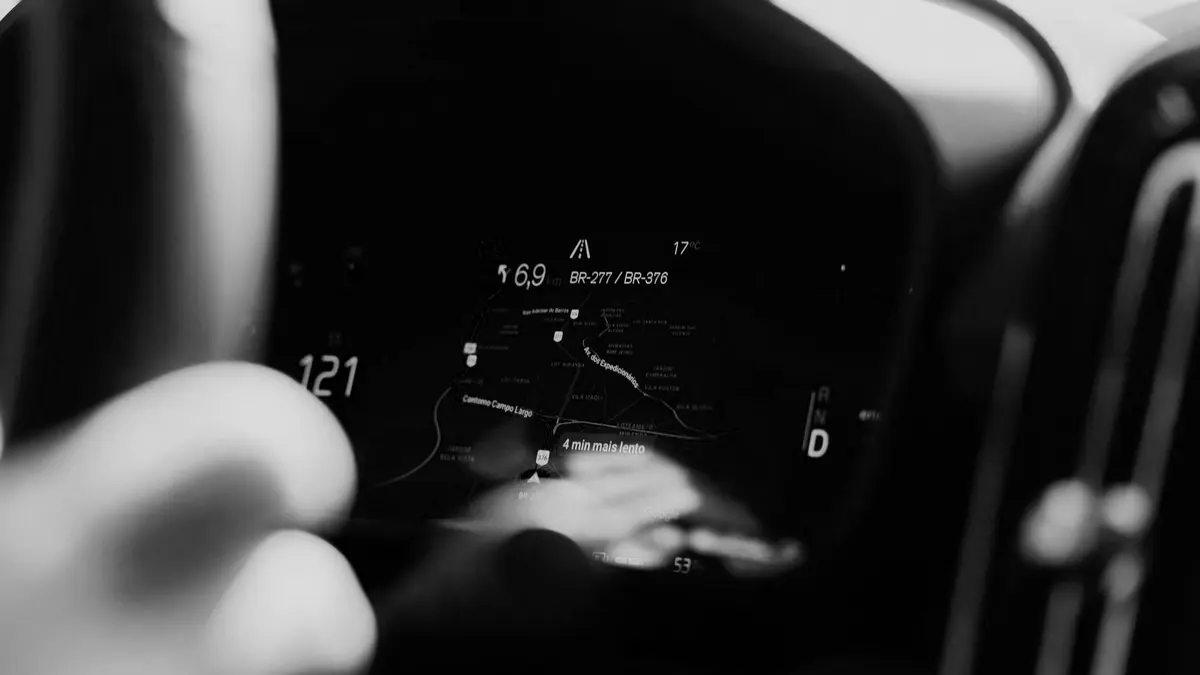
Understanding Connected-Car Data
Connected-car data may provide information about a vehicle's operation or a trip that is not obvious from the police report. The available information depends on the particular vehicle and services used. I would begin with the vehicle identification and the systems actually involved, then decide what information could help answer the disputed question.
Modern vehicle records can help us develop the facts and give your account of the crash meaningful support. They may provide a useful reference for timing or lead us to another source of evidence. The value comes from understanding the record, not from assuming that every modern car stores a complete account of every journey.
Some information may be held in the vehicle while other material is associated with a phone or service account. A commercial fleet may maintain an additional system. An investigation that looks only at the damaged car can overlook a separate source that remains available elsewhere.
Distinguish Trip Information From a Crash Snapshot
A vehicle event data recorder generally concerns a short interval surrounding a triggering event. Connected services can have a different purpose, such as navigation, remote features or fleet operations. Their records should not be described as interchangeable merely because both involve a car and electronics.
A trip history may help identify a route without capturing the instant of impact. A crash-related module may record certain vehicle inputs without storing the broader journey. Understanding that difference helps determine which source is worth pursuing and which specialist may be needed.
The owner's manual and service information can help identify the equipment. Subscription status and account settings may also matter. A feature advertised for a brand may not have been installed or enabled on the particular vehicle involved in the collision.
I would ask the technical professional to explain what the system recorded in this vehicle. That is a more useful question than asking what a similar vehicle could theoretically record. It keeps the investigation tied to evidence that can actually be obtained and evaluated.
Find the People and Companies Holding the Records
The registered owner may not control every relevant source. An employer might manage fleet records. A leasing or rental company may have a separate account. A connected-service provider may retain material that the driver's app no longer displays.
The investigation should identify those relationships early. A request sent to the wrong company can consume time while routine retention periods continue to run. The exact vehicle, accident time and service account can help the recipient locate the relevant material.
For your own vehicle, preserve the documents identifying the services you used. There is no need to share a password in an ordinary email. Your lawyer can arrange an appropriate way to obtain relevant records while protecting account access and unrelated information.
If the vehicle was being used for work, explain that fact at the first consultation. Business records may assist with more than the route. They can also help identify the parties involved in the trip and the coverage that should be investigated. Any conclusion about responsibility still needs support beyond the existence of an account.
Plan Preservation Before the Vehicle Changes Hands
After a serious collision, the car may move from a tow yard to an inspection facility and then to salvage. Repair work or a transfer can affect access to electronic systems. That does not mean every routine step destroys information, but the preservation question should be addressed before avoidable changes occur.
I would identify the current custodian and communicate the need for a reasonable preservation opportunity. Storage charges and total-loss procedures also need attention. A client should receive practical advice about those issues rather than an open-ended instruction to keep a damaged vehicle indefinitely at personal expense.
Account changes can present a separate concern. Closing a subscription, removing a vehicle from an app or resetting an infotainment system may alter access. Before doing so, ask whether relevant information should be collected. A copy of the visible screen may help initially, but a more complete record may be appropriate.
When technical collection is justified, the method should be documented. Knowing who retrieved the information and what was collected helps another professional evaluate it later. The process should preserve an unchanged source and distinguish any working analysis from that source.
Explain What the Records Add to the Case
A data entry needs a connection to the issue being investigated. An alert about hard braking may identify a moment to examine without establishing why the driver braked. A connected phone may have belonged to a passenger. The surrounding evidence can help answer those questions.
I would compare the records with the available account of the collision. If the timing does not align, we should determine whether the systems used different clocks or whether we have associated the wrong event with the crash. A careful explanation is more persuasive than ignoring a discrepancy.
Expert involvement should serve a real need. Some records may be understandable with information from the custodian, while a contested technical conclusion may require specialized interpretation. The likely benefit and expense should be discussed with the client.
Connected-car data is a potential investigative resource, not a condition of having an injury claim. When it is useful, prompt preservation can help develop a more complete picture. When it is unavailable, the investigation can still proceed through witnesses and the other evidence surrounding the collision.
Sources and Further Reading
About Michael B. Fusco
Michael B. Fusco is a New Jersey personal injury attorney certified by the Supreme Court of New Jersey as a Civil Trial Attorney. Read Mike’s biography and credentials.
Discuss Your Personal Injury Questions
If you have questions about an injury in New Jersey, I am happy to discuss what happened and the options the facts may support. You do not need to have every document or answer before contacting us. Call 732-465-8733 or contact Fusco Law for a free personal injury consultation.
General Information
This article provides general information, not legal advice for a particular situation. Laws and policy terms must be applied to the actual facts. Reading this article or contacting the firm does not, by itself, create an attorney-client relationship.