Finding Traffic-Camera Video After a Crash
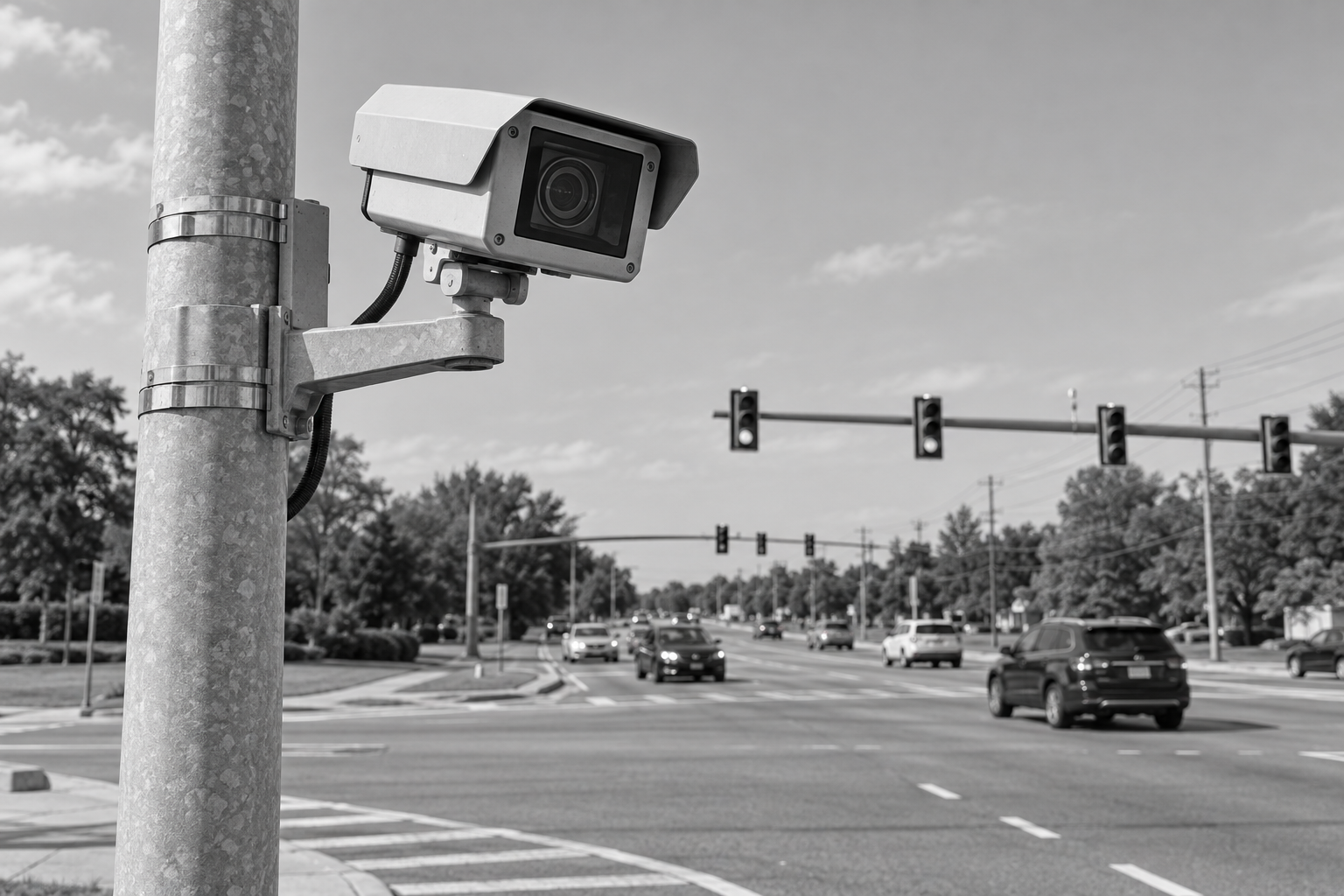
Traffic-camera video may help explain a collision, but the first task is identifying the system and whether it retained a recording. A camera near an intersection may belong to a transportation agency, a police department or another operator. The location alone does not tell us what it recorded or how to obtain it.
Finding the right video early can help preserve an independent account of what happened to you. I would begin with the exact location and accident time, then identify the likely custodian. A prompt, focused inquiry is more useful than assuming that the police report includes every available recording.
The request should be made while you are also obtaining appropriate care. You should not return to an unsafe road to photograph equipment. Information from a passenger, a safe location or an existing scene photograph may be enough to begin locating a camera.
Identify the Operator and the Actual View
A device mounted near a signal might serve a purpose other than ordinary video recording. Some equipment detects vehicles for traffic operations. Other cameras monitor congestion or security. The investigation should establish what the particular system does before promising that footage exists.
Road ownership can help identify where to start, but it may not settle who maintains a particular camera. I would obtain enough detail to distinguish the intersection, direction of travel and nearby equipment. An incorrect intersection name or time can send the search to the wrong record.
The view matters as much as the location. A camera facing a different approach may not show the impact, but it could show the movement leading up to it. A camera farther away may provide an additional part of the sequence. Each possibility should be assessed for what it could actually establish.
A witness may also remember a nearby business or bus with a camera. Those are separate sources with their own owners and retention practices. Searching for traffic-camera video should not prevent us from considering a useful private recording in the same area.
Treat Retention as an Immediate Question
NJDOT's published video-log guidance states that its recorded images are retained for seven calendar days and requests must be submitted within that period. Weekends and holidays count. Its online request procedure should be checked promptly; that schedule should not be assumed to govern a different agency's equipment.
This is one reason an early consultation can matter even before the full extent of an injury is known. The medical picture may take time to develop, while the opportunity to preserve a recording may be much shorter. Those two timelines need separate attention.
I would seek confirmation that the request reached the appropriate recipient. A sent message establishes an attempt; it does not establish that the correct footage was located or preserved. If the custodian redirects the request, the next step should be taken promptly rather than waiting for the entire claim file.
Keep the response and any tracking number. If the answer is that no recording exists, clarify whether the system was not recording, the relevant view was unavailable or the material was no longer retained. Those are different explanations and may suggest different follow-up work.
Use the Appropriate Request Procedure
Agencies can have a specific video-request process. Public-records procedures may also be relevant, depending on the record and applicable restrictions. A civil subpoena presents a different mechanism and must be used in an appropriate proceeding. None of these methods creates footage that was never recorded.
Preservation and production should be treated separately. Asking an operator to retain material does not automatically require it to provide a copy. The response may identify a form, fee or legal process needed to obtain it. Counsel can evaluate those requirements and any available response to an objection.
A focused request should explain the event and a reasonable surrounding interval. Asking only for the instant of impact may omit the approach that explains it. Asking for an unnecessarily broad period can complicate the search. The scope should follow the actual investigative need.
If an access issue arises, I would consider whether another source can answer the same question while the request is pursued. The investigation should continue rather than depend entirely on a single camera whose availability remains uncertain.
Review the Recording as Part of the Whole Event
Once received, preserve the original file and the information describing its source. A version prepared for convenient viewing should not replace the original. The camera's time setting and any gaps should be examined before the clip is used to establish a precise sequence.
The footage may show traffic movement without revealing every signal face or vehicle detail. Its limitations should be explained. A distant view can still be useful, but it should not be asked to prove something outside the frame.
I would compare the recording with the scene evidence and accounts already available. If the video changes an early assumption, the claim should be developed around the better-supported facts. The objective is a reliable explanation, not an effort to force every record to fit an initial impression.
Traffic-camera video can be an important source of independent support. Prompt identification and a careful request protect the opportunity to use it. Whether it ultimately resolves the dispute depends on what the recording actually shows and how it fits with the rest of the case.
Sources and Further Reading
About Michael B. Fusco
Michael B. Fusco is a New Jersey personal injury attorney certified by the Supreme Court of New Jersey as a Civil Trial Attorney. Read Mike’s biography and credentials.
Discuss Your Personal Injury Questions
If you have questions about an injury in New Jersey, I am happy to discuss what happened and the options the facts may support. You do not need to have every document or answer before contacting us. Call 732-465-8733 or contact Fusco Law for a free personal injury consultation.
General Information
This article provides general information, not legal advice for a particular situation. Laws and policy terms must be applied to the actual facts. Reading this article or contacting the firm does not, by itself, create an attorney-client relationship.