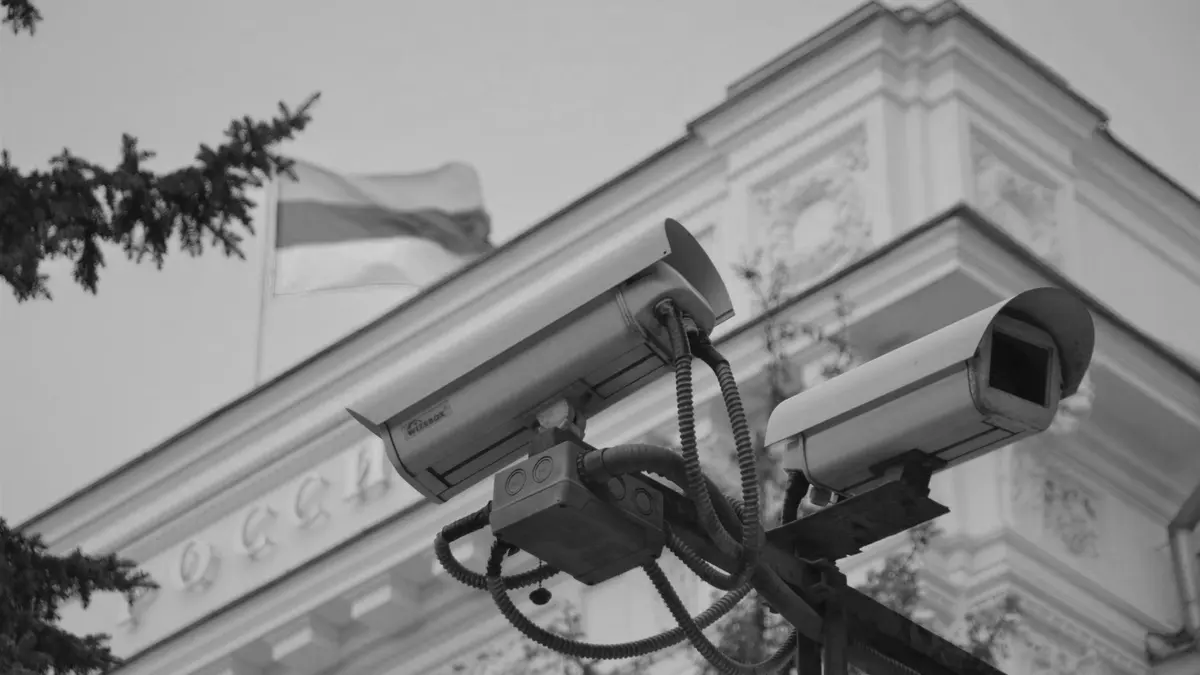
Preserving Store Surveillance Video
Store surveillance video may help explain an injury inside a business or in its parking area. The most useful recording may begin before the accident, when a condition developed or an employee passed through the area. I would identify the relevant cameras and period promptly so the request addresses the event in context.
Careful investigation can preserve the ordinary records that make an injured person’s account clearer and stronger. A recording can assist with questions that are difficult to answer from memory alone. Its value depends on what the camera shows and whether the material was retained in a usable form.
There is no single retention period for every store. A location may use its own equipment or rely on a central system or vendor. The first conversation should establish who can preserve the recording rather than assume that the employee receiving the incident report controls the files.
Ask for the Period That Explains the Condition
If the claim involves a fall, a clip limited to the moment of contact with the floor may omit important context. Earlier footage may help explain how the condition arose or how long it was present. The reasonable period to request depends on the actual issue being investigated.
Different cameras may answer different questions. An aisle view may show the approach, while an entrance camera may help establish timing. A camera that does not capture the fall might still show activity relevant to maintenance or the immediate response.
I would avoid assuming that every camera was operating or recording at the time. The request should identify the location precisely enough for the business to determine which views may be responsive. A photograph or description of the accident area can help.
The client should not delay necessary care to conduct a detailed investigation in the store. A prompt account of where the injury occurred and any available scene photographs can give counsel a practical starting point for the preservation work.
Reach the Person Who Can Save the Recording
Reporting an accident to a manager is useful, but it is not necessarily the same as a targeted request to retain video. The business may have a claims department or outside administrator. A written request can help communicate the specific material that may be relevant.
I would keep proof of delivery and follow up when the recipient indicates another department controls the system. The goal is to avoid a situation in which each person assumes someone else saved the recording. Confirmation should address what was preserved, when that information can be obtained.
A business may preserve the footage while declining to provide it voluntarily. That response presents a production question, not necessarily a preservation failure. Counsel can consider the proper discovery process and any legitimate objections to scope or access.
If an incident number was provided, retain it with the request history. It can help connect the legal inquiry to the store's internal report. The same is true of the name and position of anyone who spoke with you about the accident.
Preserve the File and Its Context
A native export may contain information that a cellphone video of a monitor does not. Ask about the available format and any software needed to view it. The original received material should remain unchanged even if a convenient viewing copy is created.
The camera identity and system clock should be documented where possible. A time discrepancy can be explained if the source information is retained. Without that information, a simple clock issue can become an unnecessary dispute about whether the clip shows the right event.
The full relevant period should be available for review. A selected excerpt can be useful in a presentation, but it should not replace the surrounding footage. That context may support the claim or clarify an issue that a short clip leaves uncertain.
If image enhancement is proposed, it should be performed and explained appropriately. Enhancing visibility is different from inventing detail that was never recorded. A technical professional should identify the limits of the source and preserve the basis for any work product.
Connect the Video to the Legal Questions
Video may show activity without explaining the business's procedures or what an employee knew. Other records and testimony may still be needed. The recording should guide the investigation rather than become an excuse to ignore evidence outside the camera's view.
For example, the fact that someone walked through an area does not by itself establish exactly what they observed. The footage may support a question for a witness. The answer should be developed through the record rather than assumed from a distant image.
If footage is unavailable, determine why and preserve the explanation. Routine retention, a system failure and loss after a specific request are different circumstances. Any legal response should be based on the evidence of what happened, not on an automatic accusation.
A store injury deserves a careful examination of both the event and the condition that led to it. Prompt attention to surveillance can preserve an important source while the medical consequences are still developing. That work helps put the eventual claim on a clearer factual foundation.
Sources and Further Reading
About Michael B. Fusco
Michael B. Fusco is a New Jersey personal injury attorney certified by the Supreme Court of New Jersey as a Civil Trial Attorney. Read Mike’s biography and credentials.
Discuss Your Personal Injury Questions
If you have questions about an injury in New Jersey, I am happy to discuss what happened and the options the facts may support. You do not need to have every document or answer before contacting us. Call 732-465-8733 or contact Fusco Law for a free personal injury consultation.
General Information
This article provides general information, not legal advice for a particular situation. Laws and policy terms must be applied to the actual facts. Reading this article or contacting the firm does not, by itself, create an attorney-client relationship.