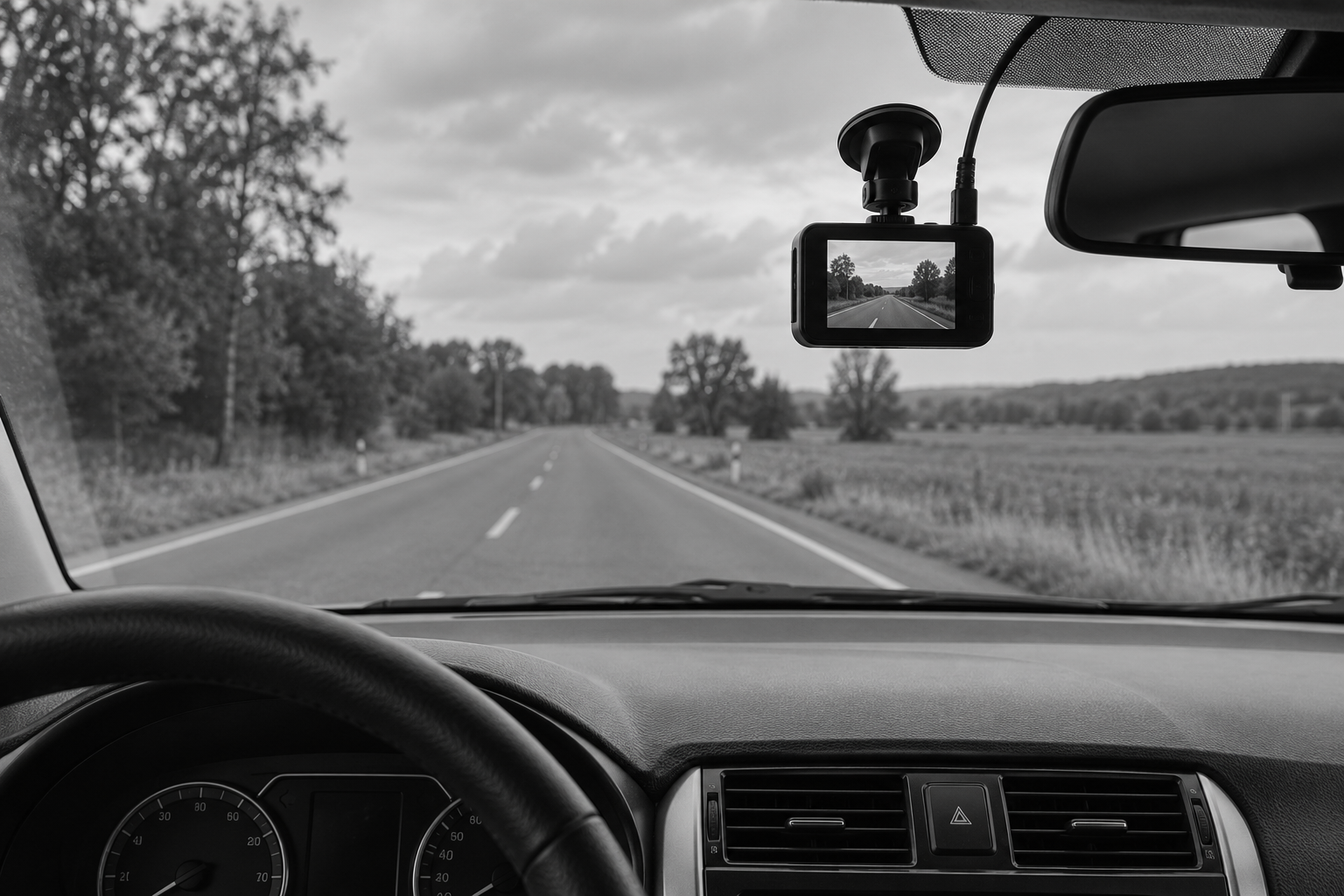
What dashcam video can contribute to your case
Dashcam video can help explain how a collision happened. It may show the approach to an intersection, movement between lanes or the time available to react. What matters is the actual recording, including the moments around the impact, rather than what someone remembers seeing when the clip first played.
I would want to see the complete file before drawing a conclusion about responsibility. A recording becomes more useful when we connect it to the rest of the evidence. That includes the road layout, damage photographs and accounts from people who were there.
An injured person should not have to resolve those questions alone. If you have footage, preserve it and explain where it came from. Even a recording that does not show the exact impact may provide useful context. We can then determine what it establishes, what remains uncertain and whether additional evidence can fill the gaps.
The aim is a reliable explanation. A dramatic-looking clip is not necessarily the most important one. A few seconds showing where the vehicles were before the collision may answer a question that the impact itself leaves open.
Perspective matters when reading the recording
A camera sees from a particular position. Its field of view may be wider or narrower than the driver's view, and an object outside the frame can still matter. A vehicle can appear farther away because of the lens. A dark recording may also show less detail than a person could see at the scene.
That is why I would avoid treating an apparent distance on the screen as a measured distance. Speed estimates can require information about the camera and scene, sometimes with qualified reconstruction analysis. The playback rate also matters. Slow motion is useful for inspection but can change a viewer's impression of how much time someone had to respond.
A rear-facing or interior camera may supply a different part of the sequence. We should identify which channel produced each file rather than assuming that a single clip represents everything the equipment recorded.
These limitations do not make the video unhelpful. They tell us how to use it accurately. Fairly explaining the perspective can make a sound factual argument more persuasive.
Keep the original alongside any working clips
A short excerpt can be convenient for discussing a particular moment. The original file should remain available, including any surrounding footage that has been preserved. Cropping or compressing a video can remove information that another person later needs to inspect.
Record the camera model if it is known and how the file was obtained. Keep the memory card secure when it may contain relevant recordings, and make a separate backup. Avoid experimenting with damaged equipment if that could overwrite data. A technical specialist can advise on recovery when necessary.
If the clock displayed on the recording is wrong, explain that issue rather than changing the original. The time can sometimes be compared with an independently documented event. A timestamp is one piece of information, not a reason to disregard the rest of a useful recording.
Sharing a copy privately with your attorney is different from posting a selected clip online. An early public interpretation may be incomplete. Reviewing the evidence first leaves room to make a careful assessment without turning the investigation into a public argument.
Use the recording with the medical evidence
Footage of a collision does not, by itself, determine the nature or duration of an injury. Medical records address a different question. They can document the symptoms, examination findings and course of treatment after the event.
There may be a reasonable explanation for something that seems inconsistent at first. A person might walk away from the scene but later require care. The recording should be considered with the actual history and qualified medical opinions, without assuming that movement on camera proves that someone was uninjured.
The same care applies if an insurer relies on a brief excerpt. We can ask what was omitted and whether the proposed interpretation fits the whole record. That is a factual inquiry, not an invitation to exaggerate what the video shows.
Sometimes the best use of footage is narrow: confirming the direction of travel or identifying a witness vehicle. A limited but well-supported point can be important to the larger claim.
Make the evidence available for proper review
New Jersey's authentication rules require a basis for finding that evidence is what it is claimed to be. The person who recorded or retrieved the footage, the original file and the surrounding circumstances may help establish that basis. The exact foundation depends on the evidence and any dispute about it.
Discovery may also require relevant footage to be disclosed, including parts that raise questions. Preservation should be complete and honest. An attorney can address appropriate scope and privacy protections while keeping potentially relevant material intact.
If the recording belongs to someone else, identify that person and the approximate time promptly. Availability can change, especially when equipment automatically reuses storage. A preservation request and, when appropriate, formal legal process may be needed.
Bring the footage to a consultation even if you are unsure whether it helps. We can evaluate it alongside the other information and decide what further investigation would be worthwhile. A clear account of the collision is built from the evidence as a whole.
Sources and Further Reading
About Michael B. Fusco
Michael B. Fusco is a New Jersey personal injury attorney certified by the Supreme Court of New Jersey as a Civil Trial Attorney. Read Mike’s biography and credentials.
Discuss Your Personal Injury Questions
If you have questions about an injury in New Jersey, I am happy to discuss what happened and the options the facts may support. You do not need to have every document or answer before contacting us. Call 732-465-8733 or contact Fusco Law for a free personal injury consultation.
General Information
This article provides general information, not legal advice for a particular situation. Laws and policy terms must be applied to the actual facts. Reading this article or contacting the firm does not, by itself, create an attorney-client relationship.