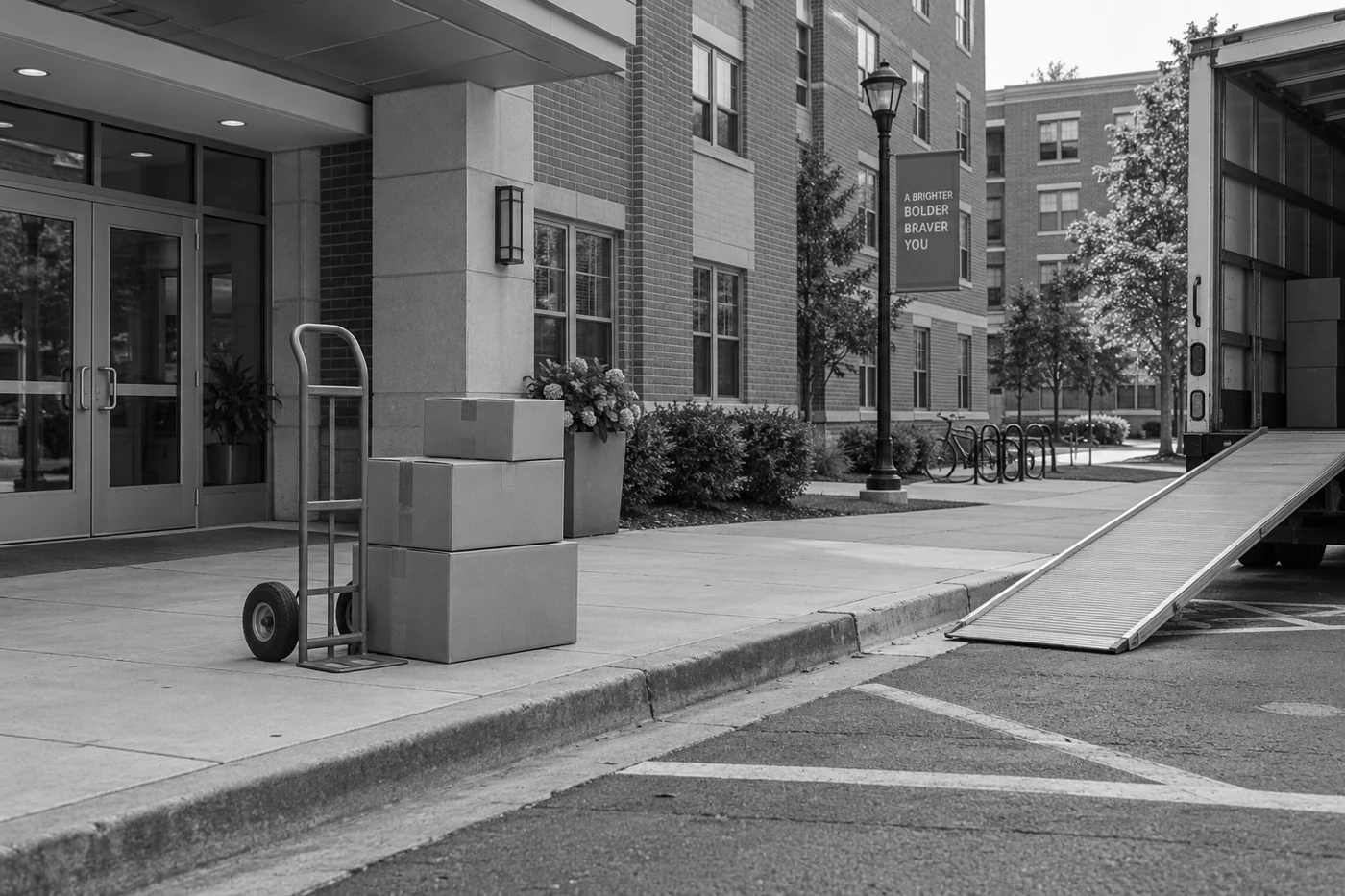
Resident relative coverage for a college student
Resident relative coverage can remain relevant when a college student is living away from home. Going to school elsewhere does not, by itself, answer whether the student is part of an insured household. The policy language and the actual family living arrangement need to be reviewed.
A student's real connection to the family home deserves to be understood before coverage is decided. I would ask about the arrangement on the accident date, including whether the move was temporary and how the student continued to use the family home.
New Jersey decisions recognize that household residence is not always limited to everyone sleeping under one roof every night. That does not guarantee coverage for every student. It means the analysis should consider the circumstances rather than use a dormitory address as an automatic answer.
The issue can affect medical benefits and other auto coverage. It is worthwhile to identify it early so the claim is directed to the appropriate insurer and the relevant documents are preserved.
Read the specific coverage definition
Different policy provisions can define insured status in different ways. A definition used for one coverage should not automatically be assumed to control another. Obtain the full policy, including endorsements, rather than relying only on the declarations.
The student's own policy also may matter. If the student is a named insured elsewhere, that can affect benefit priority or the analysis under the family contract. All applicable coverage should be identified as of the accident date.
Some policies specifically address students away at school. Others require closer analysis of residence or household language. The insurer's written position should identify the provision on which it relies.
If the company asks for information, a complete factual response is more useful than a conclusion that the student is simply dependent or independent. Those everyday descriptions may not match the terms used in the insurance contract.
Explain the actual living arrangement
Relevant information may include the student's use of the family home during breaks, belongings kept there and the intended duration of school housing. Financial and family connections may provide context. No single document necessarily decides every case.
The facts should be presented honestly, including circumstances that point in different directions. A lease near campus does not necessarily tell the whole story, but it should not be omitted. An attorney needs the full arrangement to evaluate the coverage position responsibly.
Contemporaneous records are particularly useful. Documents created before the accident can help explain the arrangement without relying entirely on later recollection. Keep the relevant housing and policy records rather than changing them after the event.
The question is not whether the student can be described in a way that produces coverage. It is whether the actual facts satisfy the applicable language and law. A careful presentation can protect legitimate benefits without overstating the relationship.
Coordinate the insurance inquiry with treatment
If the issue concerns PIP, determining the proper payer can affect how medical bills are handled. The provider should have the claim information and any written explanation of a priority dispute. Otherwise, bills may be sent repeatedly to the wrong place.
Keep denial notices and explanations of benefits. A denial based on residence is different from a denial based on medical necessity. Separating those issues helps identify the evidence required for each response.
Emergency treatment should not wait for a household-coverage determination. For ongoing care, the medical plan belongs with the treating professionals. The insurance questions can be addressed alongside that care, with attention to any authorization requirements.
If two carriers disagree about responsibility, their positions should be obtained in writing. A clear record can help avoid circular referrals in which neither company explains why it believes the other is responsible.
For example, a student who returns home during school breaks may have a different factual arrangement from someone who has established a separate permanent household. Neither description should be assumed from age alone. The documents and family's actual practices help explain the relationship that existed when the accident occurred.
Review the effect on the entire injury claim
Resident status can matter beyond payment of bills. Potential UM or UIM coverage and applicable lawsuit limitations may require review. Each issue should be evaluated under the relevant provision rather than assumed from a single coverage determination.
Before settling with a responsible driver, any rights under the family or student policy should be considered. Required notice or consent procedures can be important. A settlement should not inadvertently compromise a separate source of protection.
For future planning, families can discuss changes in school housing and vehicle use with their insurance professional before renewal. Written clarification can be helpful, although a later policy change does not ordinarily revise coverage for an earlier accident.
If a student has been injured and household coverage is disputed, bring the policy and the facts of the living arrangement for review. We can identify what the insurer is questioning and what evidence can answer it. The objective is a fair coverage assessment grounded in the student's actual circumstances.
Sources and Further Reading
About Michael B. Fusco
Michael B. Fusco is a New Jersey personal injury attorney certified by the Supreme Court of New Jersey as a Civil Trial Attorney. Read Mike’s biography and credentials.
Discuss Your Personal Injury Questions
If you have questions about an injury in New Jersey, I am happy to discuss what happened and the options the facts may support. You do not need to have every document or answer before contacting us. Call 732-465-8733 or contact Fusco Law for a free personal injury consultation.
General Information
This article provides general information, not legal advice for a particular situation. Laws and policy terms must be applied to the actual facts. Reading this article or contacting the firm does not, by itself, create an attorney-client relationship.