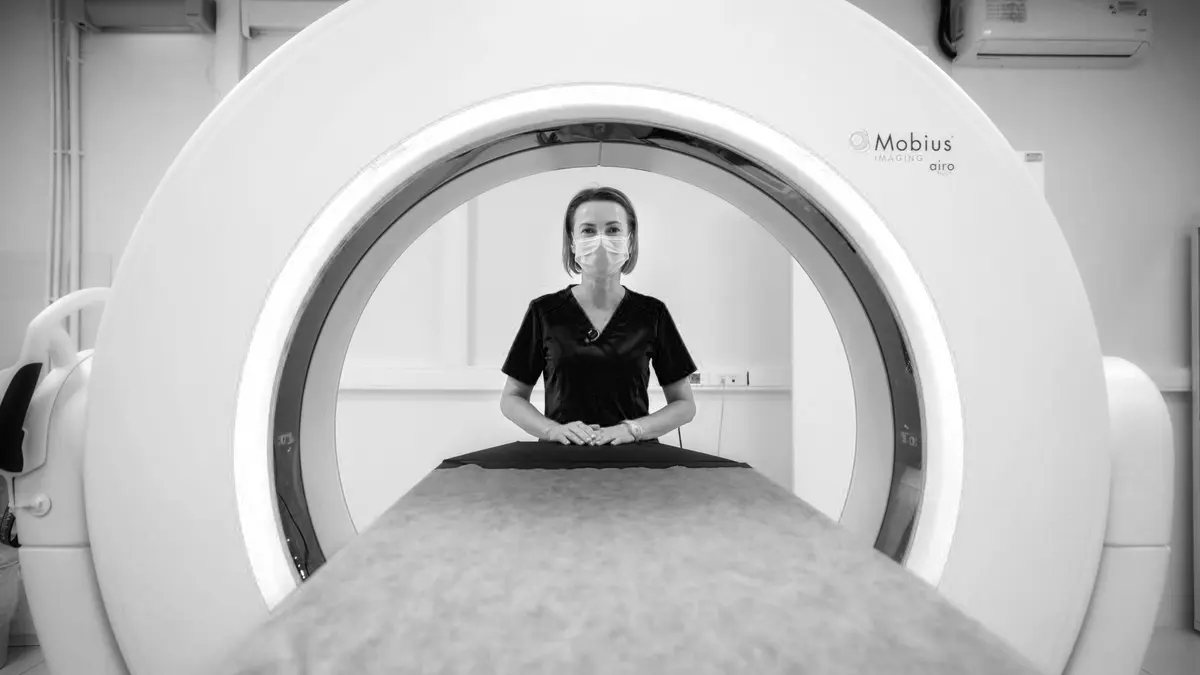
Choosing a PIP MRI network provider
A PIP MRI network can affect the amount the insurer pays for a nonemergency scan. New Jersey permits approved voluntary networks for certain services, including MRI testing. Voluntary does not necessarily mean that choosing a provider outside the network has no financial consequence.
You should know the coverage consequences of a testing location before an unexpected bill arrives. Ask the carrier for the applicable network information and the basis for any proposed additional copayment.
The medical decision to order an MRI belongs with the treating professional. The insurance question concerns how the test is authorized and paid. Those questions should be coordinated, but they are not interchangeable.
If the scan is needed urgently, discuss the medical circumstances with the provider. Emergency-care rules differ from routine nonemergency network arrangements, and care should not be delayed while a general coverage question is debated.
Confirm the network for the particular claim
A facility may participate in one insurer's health network without participating in its PIP network. Ask about the actual auto claim and the service being scheduled. The name of the insurance company alone may not be enough.
Obtain the carrier's list or instructions and confirm the facility's status for the appointment. Networks can change, and a general statement on an office website may not address the relevant policy or date.
New Jersey rules permit an additional copayment of up to 30 percent of the eligible charge for certain out-of-network nonemergency benefits under an approved plan. The actual applicability, notice and calculation should be checked rather than assumed from that maximum alone.
If access to a listed facility is a problem, raise it before the appointment where possible. The medical circumstances and practical availability should be explained to the carrier and provider. Keep the response in writing.
Keep authorization separate from network participation
Using a network facility does not necessarily satisfy every requirement for the test. Decision point review or other applicable authorization procedures may still need attention. The office should confirm what was requested and approved.
Likewise, an authorization does not necessarily confirm that the chosen facility avoids every network consequence. Ask about both issues so that one approval is not mistaken for a complete payment guarantee.
The request should identify the test and include the supporting clinical information. A change in the proposed study or date may require follow-up. The provider can explain the medical reason for the test and any change in the plan.
Keep the written authorization and any instructions about the location. Those documents can be important if the later explanation of benefits does not match what was represented beforehand.
Review the bill against the actual requirements
If a reduction appears after the MRI, obtain the explanation of benefits. Determine whether the reason is network status, lack of authorization, fee-schedule calculation or something else. The response should address the correct issue.
An amount withheld by the insurer is not automatically an amount lawfully collectible from the patient. The provider agreement and applicable billing rules need review. A bill should identify the basis for any patient responsibility.
If the facility was listed as participating when the appointment was arranged, preserve the supporting confirmation. That evidence may help resolve a discrepancy in the claim processing.
Ask for an itemized account when the total is unclear. A facility charge and a separate professional interpretation may appear on different statements. They should be matched to the actual service and insurer responses.
For example, a facility may confirm that it accepts the insurer generally while the actual scan is processed outside the relevant PIP network. Ask specifically about the auto claim and keep the response. Also clarify whether the facility and interpreting provider will submit separate bills. This does not mean a particular additional charge is valid; it identifies the information needed to evaluate it. A written confirmation tied to the appointment is more useful than a general assurance that the office takes your insurance, especially if a later statement gives a different explanation.
Use the test results for care and the injury evaluation
The MRI findings should be explained by the treating provider in the context of the symptoms and examination. An imaging report alone does not necessarily establish the cause or full effect of an injury. The clinical interpretation matters.
Keep access to the report and actual images where available. Those may be needed for continued treatment or later medical review. The payment dispute should not cause the underlying medical evidence to be overlooked.
If the insurance process delayed the test, document the reason accurately. That can help explain the treatment timeline in the broader injury claim without implying that the patient simply chose not to follow up.
Bring the network instructions, authorization and bill for review if the charges do not make sense. A careful comparison can help identify the appropriate response and protect the benefits available for necessary testing.
Sources and Further Reading
About Michael B. Fusco
Michael B. Fusco is a New Jersey personal injury attorney certified by the Supreme Court of New Jersey as a Civil Trial Attorney. Read Mike’s biography and credentials.
Discuss Your Personal Injury Questions
If you have questions about an injury in New Jersey, I am happy to discuss what happened and the options the facts may support. You do not need to have every document or answer before contacting us. Call 732-465-8733 or contact Fusco Law for a free personal injury consultation.
General Information
This article provides general information, not legal advice for a particular situation. Laws and policy terms must be applied to the actual facts. Reading this article or contacting the firm does not, by itself, create an attorney-client relationship.