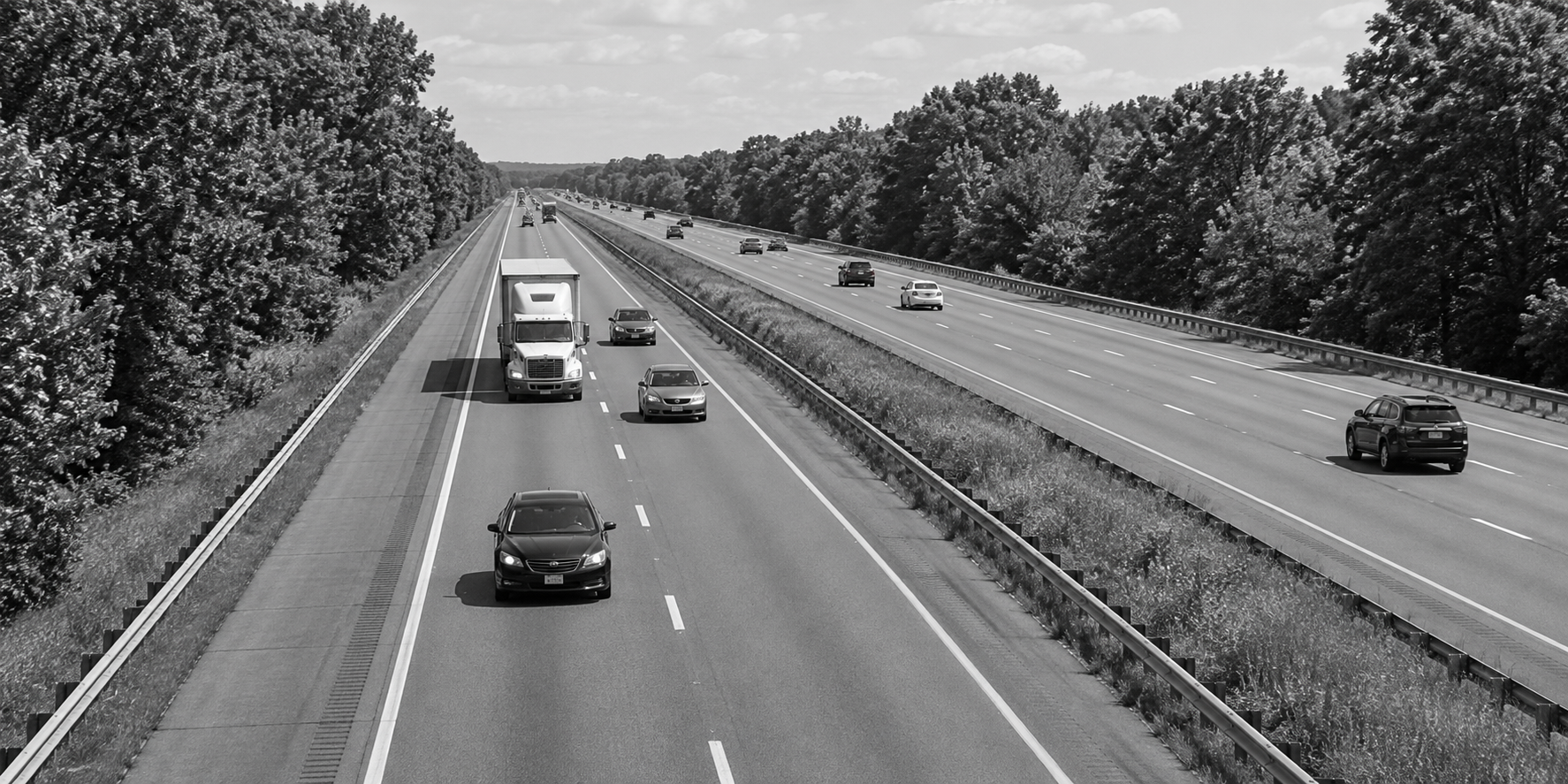
A commercial truck injury deserves a focused investigation
After a commercial truck injury, I want to identify who was responsible for the trip and preserve the evidence before it disappears. The driver is part of that investigation, but the work may also involve the company operating the truck. The purpose is to understand how the collision happened and pursue the recovery the evidence supports.
You are not expected to know the difference between a motor carrier and a trailer owner while you are dealing with an injury. Those relationships can be investigated. The information on the police report is a starting point, and a photograph of the truck can sometimes help identify the business behind it.
A careful investigation can uncover the evidence your recovery deserves. That means developing the facts rather than assuming the largest company name on the vehicle answers every question. It also means giving your medical recovery the attention it needs while the legal investigation moves forward.
Identifying the company behind the trip
The truck's owner, the driver's employer and the business whose name appears on the trailer may be different entities. A delivery could involve leased equipment or a contractor operating under another carrier's authority. I look for the records explaining who controlled the work and what each business agreed to do.
A USDOT number can help identify a carrier. Dispatch information and shipping documents can help establish the purpose of the trip. When loading or mechanical condition appears relevant, the investigation should include who performed that work. Each potential party needs an actual connection to the incident, and the supporting documents help establish it.
For example, an unsafe lane change calls for a different investigation from a trailer losing its cargo. In the first situation, the driver's observations and vehicle movements may be central. In the second, loading practices and securement may deserve closer attention. The evidence directs the work; a standard list of company names cannot substitute for it.
Preserving the records that explain what happened
Commercial vehicles may carry electronic records that help reconstruct the collision. A camera might show traffic immediately before impact. Vehicle data may provide information about braking. Driver logs can help evaluate the work schedule. These sources answer different questions, and no single device records everything we would want to know.
FMCSA guidance requires covered carriers to retain driver duty-status records and supporting documents for six months. That should not be treated as a safe waiting period. Other information may follow different retention schedules, and equipment can be repaired or placed back in service. A focused preservation request should be made promptly when the circumstances warrant it.
Keep photographs, witness information and any correspondence already in your possession. If the truck or your vehicle is awaiting repair, tell counsel where it is located. An inspection may need to be coordinated. You should not place yourself near moving traffic or enter private property to collect evidence; records and inspections can be pursued through appropriate channels.
Connecting safety rules to the collision
Commercial transportation is subject to safety requirements, although the rules that apply depend on the vehicle and operation. Driver hours and vehicle maintenance are common areas of inquiry. The question is whether a particular failure contributed to the event that injured you.
A maintenance record showing a known brake problem could matter when stopping ability is disputed. A scheduling record could matter when fatigue is supported by other facts. The investigation should explain that connection in ordinary language. An insurer or jury needs to understand how the evidence fits the collision, not simply be shown a stack of regulations.
Where technical interpretation is needed, an appropriate expert can help. That might mean reconstructing vehicle movements or examining a component. I want the expert's work directed at a real disputed issue. Careful selection helps keep the investigation useful and the expense proportionate to the claim.
Showing what the injury has meant for you
A commercial truck injury claim also needs a developed medical picture. Early records show the initial complaints, while later treatment may explain whether those problems improved or continued. A doctor's opinion can help connect the condition to the collision and describe future needs when that opinion is medically supported.
Tell your providers about your symptoms and your prior health accurately. If the accident worsened an existing condition, the difference between your earlier function and your present limitations matters. The goal is to explain the change fairly. You do not need a perfect medical history to deserve a careful review of an injury.
Work records can help explain lost earnings. Your own account can explain changes that a billing statement does not show, such as needing assistance with ordinary household responsibilities. I would rather have a clear explanation of the activities that matter to you than a long list of generalized complaints copied from another case.
Reviewing insurance and the next decision
Commercial operations may carry substantial insurance, but the available coverage must be confirmed. The type of vehicle, the policy language and the other claims arising from the collision can affect what is available. Insurance limits are a separate question from the seriousness of your injury.
Before recommending settlement, I want to understand the responsible parties, the supporting evidence and the realistic recovery sources. Some answers can be obtained early. Others require formal discovery, which is the exchange of information during litigation. That process can provide records that are not voluntarily supplied at the beginning.
If you have been injured in a truck collision, bring the information you have. A commercial truck injury investigation can begin without every record already assembled. The first discussion should identify what needs attention now and how the remaining facts can be developed.
Sources and Further Reading
About Michael B. Fusco
Michael B. Fusco is a New Jersey personal injury attorney certified by the Supreme Court of New Jersey as a Civil Trial Attorney. Read Mike’s biography and credentials.
Discuss Your Personal Injury Questions
If you have questions about an injury in New Jersey, I am happy to discuss what happened and the options the facts may support. You do not need to have every document or answer before contacting us. Call 732-465-8733 or contact Fusco Law for a free personal injury consultation.
General Information
This article provides general information, not legal advice for a particular situation. Laws and policy terms must be applied to the actual facts. Reading this article or contacting the firm does not, by itself, create an attorney-client relationship.