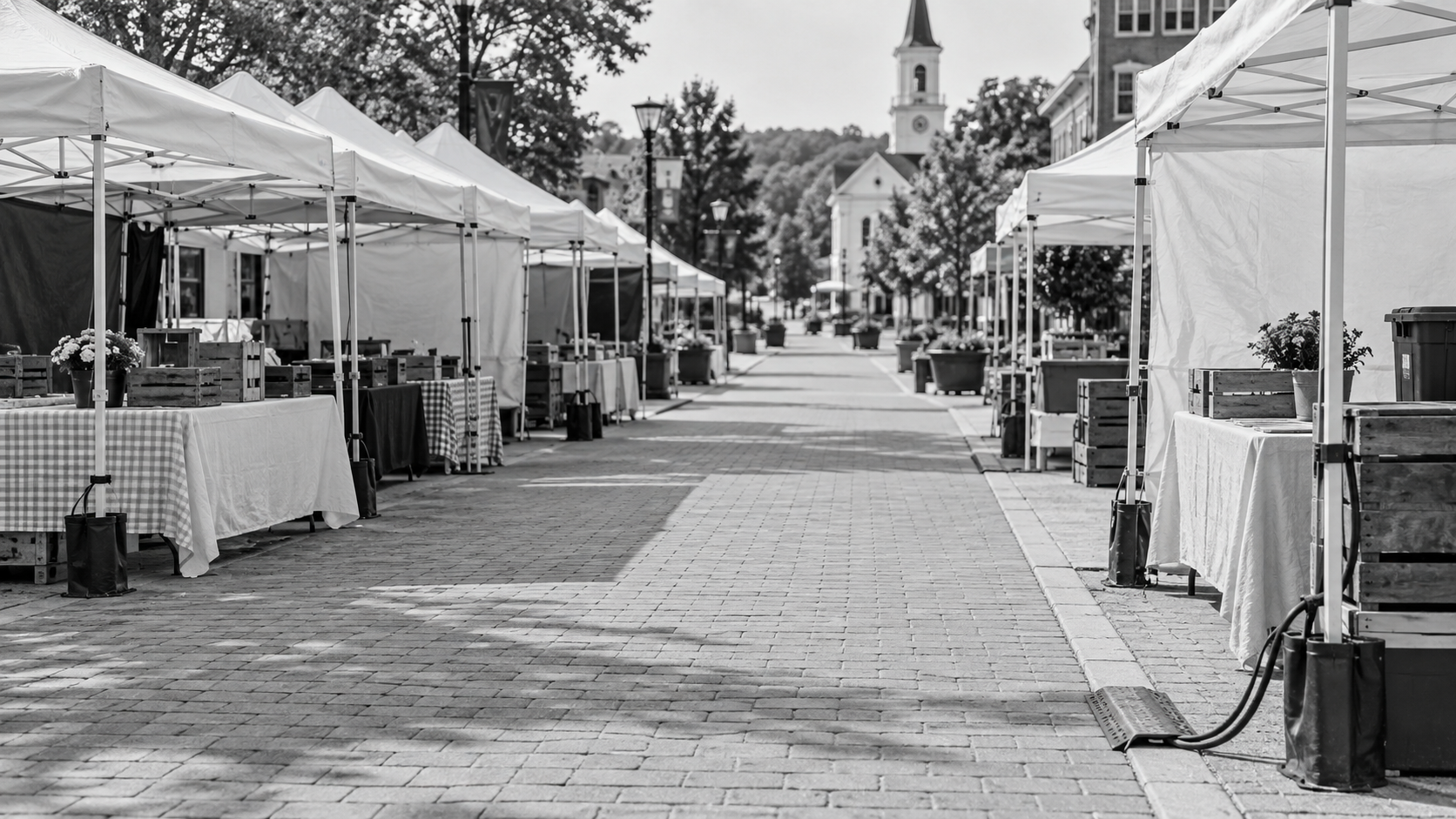
Investigating a festival fall injury
A festival fall injury should be investigated while the temporary setup is still identifiable. The important questions are what caused the fall and who created or controlled that condition. A vendor, event organizer or contractor may have different responsibilities within the same event. Photographs and witness information can help connect the injury to the particular part of the fair where it happened.
Your first concern should be obtaining appropriate medical care. If you cannot document the area yourself, a companion may be able to help safely. You do not need to identify the legally responsible business before consulting a lawyer. That is part of the investigation.
Preserving the details of a fall helps us identify who was responsible for keeping the area reasonably safe.
Record the location before the setup changes
Temporary events can be dismantled within hours. A cable may be removed, a mat rolled up or a booth relocated before anyone investigates. A photograph showing the condition and a wider view showing where it was located can be particularly helpful.
Try to identify the nearest booth, entrance or other fixed reference point. An event map or ticket can help locate the area later. If a vendor's name is visible, preserve that information too. The official event name may not identify the business that controlled the exact walkway or equipment involved.
Describe what you actually observed. If you felt your foot catch but could not see the cause, explain that distinction. A companion, witness or recording may provide additional information. The investigation can build on an honest description of what is known without requiring you to fill in the missing facts immediately.
Follow the responsibility for the condition
The organizer may arrange the overall event while a vendor supplies its own equipment. A separate contractor may install temporary flooring or power connections. Understanding those arrangements helps identify who should have addressed the condition and what safety responsibilities applied.
Contracts, permits and vendor assignments can be useful sources. They may identify which company installed a cable or who was expected to inspect the pedestrian area. The fact that an event carries a town's name does not establish that the town controlled every booth or temporary installation.
I look first at the conduct that the evidence supports. Who placed the object? Who could inspect or correct it? Were complaints made? Those questions are more productive than assuming the most visible sponsor is the responsible party. Multiple parties may need investigation when their roles overlap.
Establish how the hazard developed
A negligence claim ordinarily needs more than proof that a person fell. We need to establish the unsafe condition and the defendant's responsibility for it. If a party created the condition, that can present a different notice question from a spill left by an unknown visitor.
Where a hazard developed over time, evidence about its duration may matter. A witness may have seen it earlier or reported it to staff. Photographs may show a recurring condition rather than a momentary event. Inspection practices and the event's layout can help explain whether reasonable care was exercised.
Lighting and pedestrian flow can also provide context. A cable at the edge of a closed service area is different from one crossing a crowded public aisle. The goal is to understand the condition as visitors encountered it, including any warning or alternative route. Those details allow a fair evaluation of responsibility.
Preserve the medical and incident records
Report the incident to the event staff and ask how to obtain the report information. Give accurate basic facts and identify anyone who assisted you. If you are in pain or unsure about a detail, say so. A brief incident report does not need to become a complete legal statement at the scene.
Tell your medical provider how the fall occurred and what symptoms you are experiencing. Some limitations become clearer over the following days. Follow the medical advice you receive and report changes so the treatment record reflects the course of the injury.
Keep the shoes and clothing involved, along with any photographs or messages from that day. Do not alter an item because you assume it has no importance. Counsel can evaluate what needs to be preserved. Original files are more useful than edited images when timing and context become disputed.
Identify any special legal rules promptly
A privately operated event can take place on public property, and a nonprofit organization can participate alongside commercial vendors. Those facts may introduce different duties, defenses or procedures. They should be examined early without assuming every participant receives the same legal treatment.
If a New Jersey public entity or employee may be responsible, a tort-claim notice is generally required within 90 days, subject to the applicable law and circumstances. That is one reason prompt legal review matters. It does not mean that every fair-related injury is primarily a public-entity case. Private-party responsibility should be investigated on its own evidence.
Deadlines should not be calculated from a website article alone. Bring the incident date and available event information to counsel promptly. Identifying the participants early helps preserve potential claims while the factual investigation continues.
Start with the information you have
You may leave the event with little more than a photograph and a witness's first name. That can still provide a useful starting point. Additional records may identify the organizer, vendor or contractor whose role needs examination.
I want to understand the sequence of the fall and how the injury has affected you. From there, we can determine what evidence remains available and which parties should be contacted to preserve it. A temporary event should not mean the important details disappear without an effort to document them.
The aim is a supported account of what happened and who was responsible. That work allows an injured visitor to evaluate the available options while concentrating on treatment and recovery.
Sources and Further Reading
About Michael B. Fusco
Michael B. Fusco is a New Jersey personal injury attorney certified by the Supreme Court of New Jersey as a Civil Trial Attorney. Read Mike’s biography and credentials.
Discuss Your Personal Injury Questions
If you have questions about an injury in New Jersey, I am happy to discuss what happened and the options the facts may support. You do not need to have every document or answer before contacting us. Call 732-465-8733 or contact Fusco Law for a free personal injury consultation.
General Information
This article provides general information, not legal advice for a particular situation. Laws and policy terms must be applied to the actual facts. Reading this article or contacting the firm does not, by itself, create an attorney-client relationship.