Can a private contractor be responsible for a construction zone crash?
A private contractor may be responsible for a construction zone crash when its negligent work or traffic-control activity contributed to the collision. The fact that the work occurred on a public road does not answer every question about the contractor's conduct. Its role and any applicable defenses need their own review.
A careful work-zone investigation can help identify responsibility and protect an injured driver's options. I would want to understand how the crash occurred and what conditions the driver encountered. The investigation can then focus on the contractor's responsibilities and whether the actual setup met the applicable requirements.
Identify what changed in the roadway
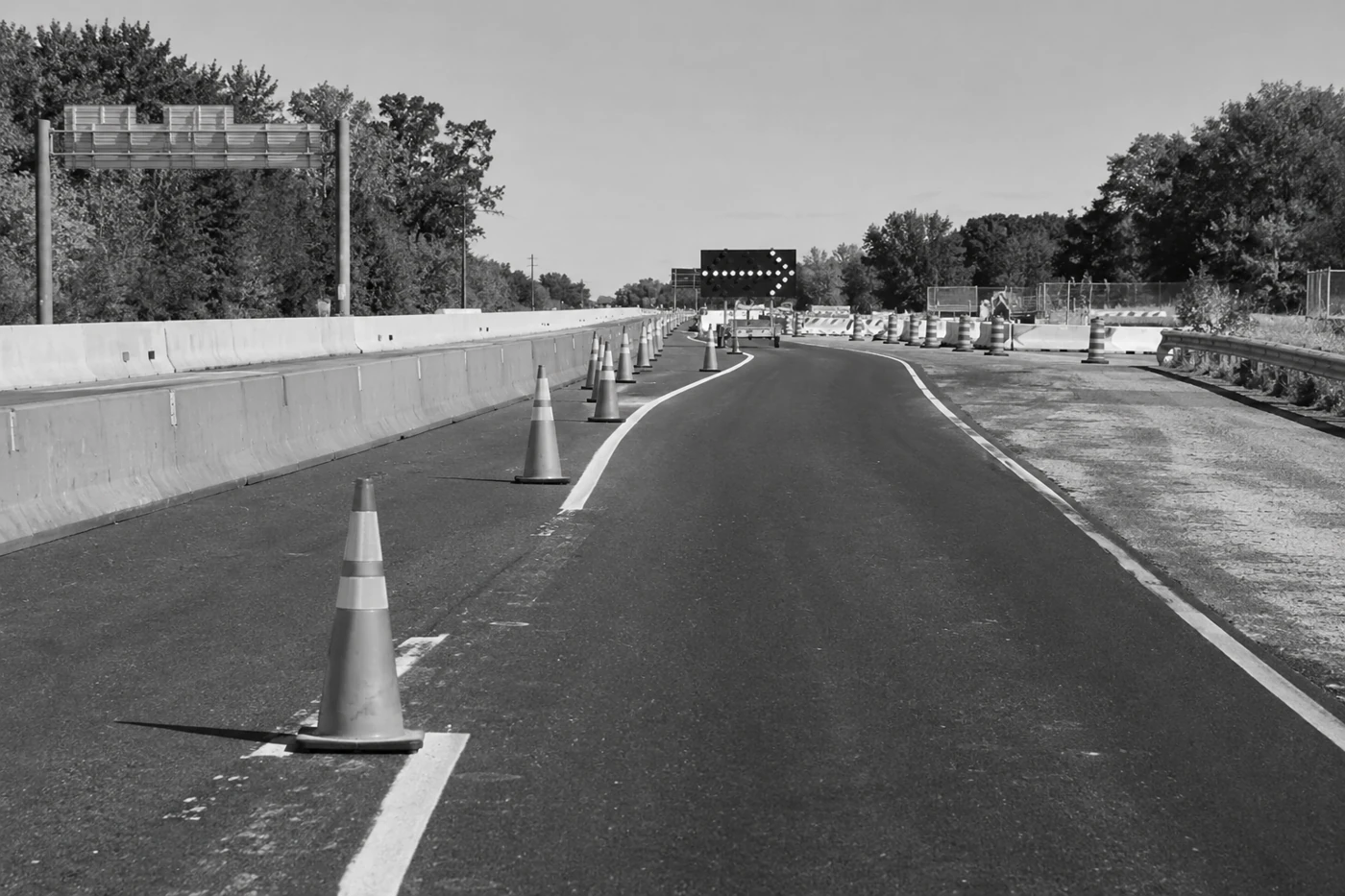
Construction may alter lane paths, pavement levels or the information drivers receive. A useful account describes the particular condition rather than simply saying the roadwork was confusing. Where did the lane shift begin? What warning was visible before the driver reached it? What movement or condition contributed to the collision?
Photographs and video can help preserve that setting, but safety comes first. Do not stop in a dangerous location or enter a work area to gather evidence. Existing dashcam footage, witnesses and official records may provide a starting point.
The time matters because the setup may change between shifts or stages of a project. A photograph taken several days later may show a different arrangement. Preserve original files and explain when each image was made so the evidence can be evaluated accurately.
Determine which contractor controlled the relevant work
A road project may involve a general contractor and several subcontractors. One may handle paving while another supplies traffic-control devices. The company whose truck appears nearby may not have been responsible for the condition involved in the crash.
Contracts, work logs and traffic-control plans can help identify the assigned duties. Actual operations should also be examined. Who placed or inspected the devices? Who was responsible for correcting a displaced sign or changing the setup when the work moved?
Those questions connect responsibility to conduct. They avoid both overlooking a private party and naming one solely because it worked on the project. A construction zone crash should be investigated at the level of the task and condition that affected the injured person.
Compare the plan with the actual setup
An approved plan may be important evidence, but the investigation should also determine what was in place at the time. A plan showing advance warnings does not establish that every warning was correctly positioned and visible that day.
New Jersey transportation guidance and applicable traffic-control standards can help frame the inquiry. A qualified expert may be needed to evaluate the setup and explain how a departure contributed to the crash. The governing standard and its applicability should be verified for the particular project and date.
The issue is not simply whether a work zone could have been designed differently. It is whether the relevant party breached an applicable duty and whether that breach caused harm. Keeping that distinction clear helps focus the claim on supported facts.
Investigate the other drivers' conduct too
A work-zone condition and another driver's negligence can both contribute to a collision. A sudden merge may reflect inadequate guidance, careless driving or a combination. The investigation should not stop after identifying only one possible cause.
New Jersey comparative-negligence principles may affect the allocation of responsibility. Video, witness accounts and the physical evidence can help determine what each driver could see and do. An initial police description may be useful without resolving every issue about the construction setup.
If the injured person is blamed, the allegation should be examined specifically. The question is how the person's conduct contributed in the actual circumstances, compared with the conduct of others. A broad statement that drivers should be careful in construction zones does not replace that analysis.
Preserve project records promptly
Daily logs and inspection records may show the work being performed and any reported problems. Communications about the traffic arrangement may also be relevant. Identifying those records early allows counsel to consider preservation and the appropriate process for obtaining them.
A private contractor may have insurance relevant to the claim. A certificate or contract reference can be a lead, but the policy and coverage position still need review. Contractual indemnity between project participants is another issue and does not automatically establish the injured person's entitlement to payment.
Public entities may also be involved. Their claims can carry short notice requirements and special protections. A contractor may assert defenses tied to the project or its work, so it would be inaccurate to promise that every private-contractor claim avoids all public-project issues. Early legal review helps identify and preserve the available avenues.
Build a supported account of the injury
The project investigation is only part of the case. Medical evidence must explain the injury and its connection to the crash. Work records and other appropriate proof may establish additional losses. These parts should develop together so the claim is ready for a meaningful evaluation.
You do not need to identify every contractor yourself before seeking advice. Provide the location, the approximate time and any photographs or documents already available. Those details can help locate the project and determine the next investigative steps.
A construction zone crash deserves a careful review of both driving conduct and the work that shaped the roadway. The objective is to identify the responsible parties and support the claim with evidence, giving the injured person a clear explanation of the options the facts may provide.
Sources and Further Reading
About Michael B. Fusco
Michael B. Fusco is a New Jersey personal injury attorney certified by the Supreme Court of New Jersey as a Civil Trial Attorney. Read Mike’s biography and credentials.
Discuss Your Personal Injury Questions
If you have questions about an injury in New Jersey, I am happy to discuss what happened and the options the facts may support. You do not need to have every document or answer before contacting us. Call 732-465-8733 or contact Fusco Law for a free personal injury consultation.
General Information
This article provides general information, not legal advice for a particular situation. Laws and policy terms must be applied to the actual facts. Reading this article or contacting the firm does not, by itself, create an attorney-client relationship.