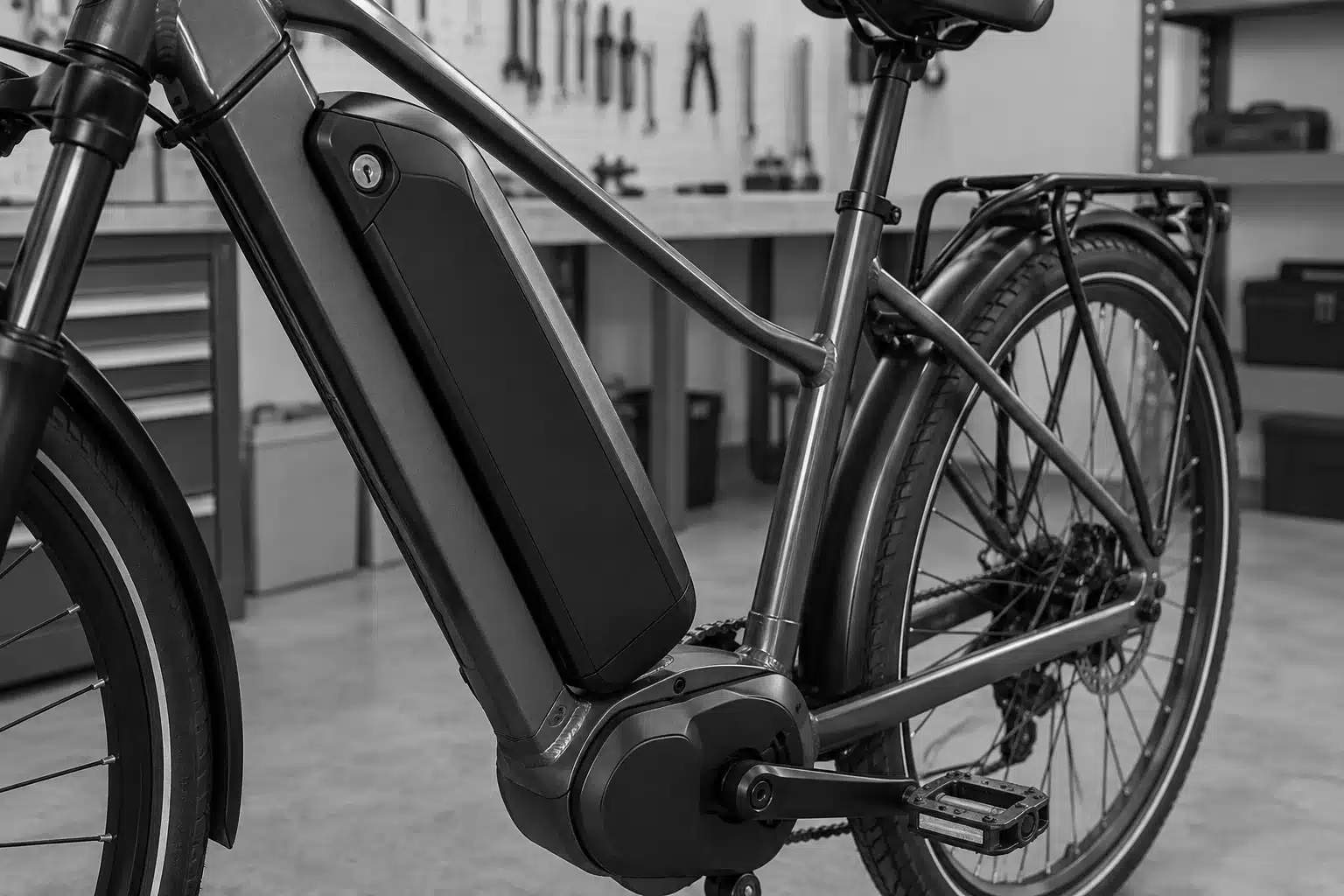
New Jersey e-bike law now requires a closer look
New Jersey e-bike law changed in 2026, and older summaries may no longer describe the requirements correctly. The current Motor Vehicle Commission guidance distinguishes low-speed electric bicycles from motorized bicycles. Registration applies to both, while the MVC states that mandatory insurance applies to motorized bicycles rather than low-speed pedal-assist bicycles.
Understanding the bicycle's actual features helps us protect an injured rider's options. A seller's category label may not answer the legal question. The motor's operation and the bicycle's capabilities need to be compared with the current definitions.
This discussion reflects the MVC guidance reviewed in October 2026. Before riding or purchasing, check the agency's current instructions linked below. For an injury claim, we must also determine which law applied on the accident date rather than automatically apply a later requirement retroactively.
Identify the bicycle before choosing the rule
The MVC describes a low-speed electric bicycle as providing assistance only while pedaling, up to 20 miles per hour. Its motorized-bicycle definition includes specified throttle-operated and faster assisted bicycles. Equipment outside those definitions can raise a different classification question.
Preserve the manufacturer's specifications and purchase information. Photographs of the model and motor labels may help identify the product. If the bicycle was modified, that fact matters too. The configuration at the time of the event is more useful than a current advertisement for an unmodified model.
An online listing can use familiar class terminology without resolving New Jersey's present requirements. When the features are unclear, obtain a reliable technical explanation rather than selecting the most convenient label. A coverage or responsibility analysis should be based on the actual equipment.
Licensing and registration should be checked before use
The MVC's general rule requires a rider to be at least 15 and to hold an appropriate e-bike license or valid driver's license. A limited exception applies to qualifying rented low-speed bicycles operated by people at least 16. Riders should consult the current requirements for their particular situation.
The agency provides a registration process and an ownership form. Keep the registration and ownership records with the other important bicycle documents. If a bicycle was purchased secondhand, resolve missing documentation through the authorized process rather than assume a receipt is never needed.
Registration should not be confused with permission to ride everywhere. Local restrictions and rules for particular paths or properties can present separate questions. A lawful registration does not automatically open every trail or sidewalk to every type of motorized equipment.
Insurance requires a separate conversation
Ask an insurance professional about the coverage for the specific bicycle and its use. A policy intended for ordinary household liability may contain exclusions relevant to motorized equipment. A statement that the bicycle is covered should be clarified by reference to the actual policy and endorsement.
Even where insurance is not legally required for a particular category, that does not establish what voluntary protection exists. Liability protection, damage to the bicycle and benefits for an injured rider are different coverage questions. One should not be assumed from the presence of another.
For a crash that has already happened, obtain the policies in force on that date. Later changes do not ordinarily create retroactive protection. An accurate description of the equipment and its use helps the coverage review address the right provisions.
After a collision, preserve the bicycle and its information
The bicycle itself may be relevant evidence. If it is damaged, preserve it and avoid repairs or disposal until the need for inspection has been considered. A battery or other component that presents a safety concern should be handled with appropriate professional guidance, not stored unsafely for the sake of a claim.
Photographs and available electronic data may help document the condition and configuration. Preserve information you can lawfully access without altering it. If an app or controller contains relevant data, tell counsel so an appropriate preservation method can be evaluated.
The collision investigation remains important. A classification question does not replace the need to establish what another driver or property operator did. Road position and visibility may require examination alongside the equipment's features.
A compliance issue does not answer every liability question
If a rider lacked a required document or used equipment in a prohibited location, that issue needs candid review. It should not be ignored. At the same time, the legal consequences must be analyzed rather than assumed from a single fact.
Questions about causation and comparative responsibility are different from simply identifying a rule. We need to determine how the relevant conduct relates to the collision and injury. An insurer's assertion that the rider was noncompliant is not a complete explanation of the claim's merits.
The same care applies to a product issue. An equipment failure may require technical investigation, while a collision caused by another vehicle presents a different primary theory. Multiple issues can exist, but each needs evidentiary support.
Parents and riders should keep the information current
A bicycle purchased under an earlier understanding of the law may need a fresh review. Check the rider's eligibility and the equipment's category before relying on advice received years ago. Use the MVC's current instructions rather than a social-media summary.
If an injury has occurred, bring the model information and the records you have. We can examine the accident-date requirements and the potential claims. The objective is a fair, informed assessment of the rider's situation, with the legal and insurance questions kept distinct enough to be understood.
Sources and Further Reading
About Michael B. Fusco
Michael B. Fusco is a New Jersey personal injury attorney certified by the Supreme Court of New Jersey as a Civil Trial Attorney. Read Mike’s biography and credentials.
Discuss Your Personal Injury Questions
If you have questions about an injury in New Jersey, I am happy to discuss what happened and the options the facts may support. You do not need to have every document or answer before contacting us. Call 732-465-8733 or contact Fusco Law for a free personal injury consultation.
General Information
This article provides general information, not legal advice for a particular situation. Laws and policy terms must be applied to the actual facts. Reading this article or contacting the firm does not, by itself, create an attorney-client relationship.