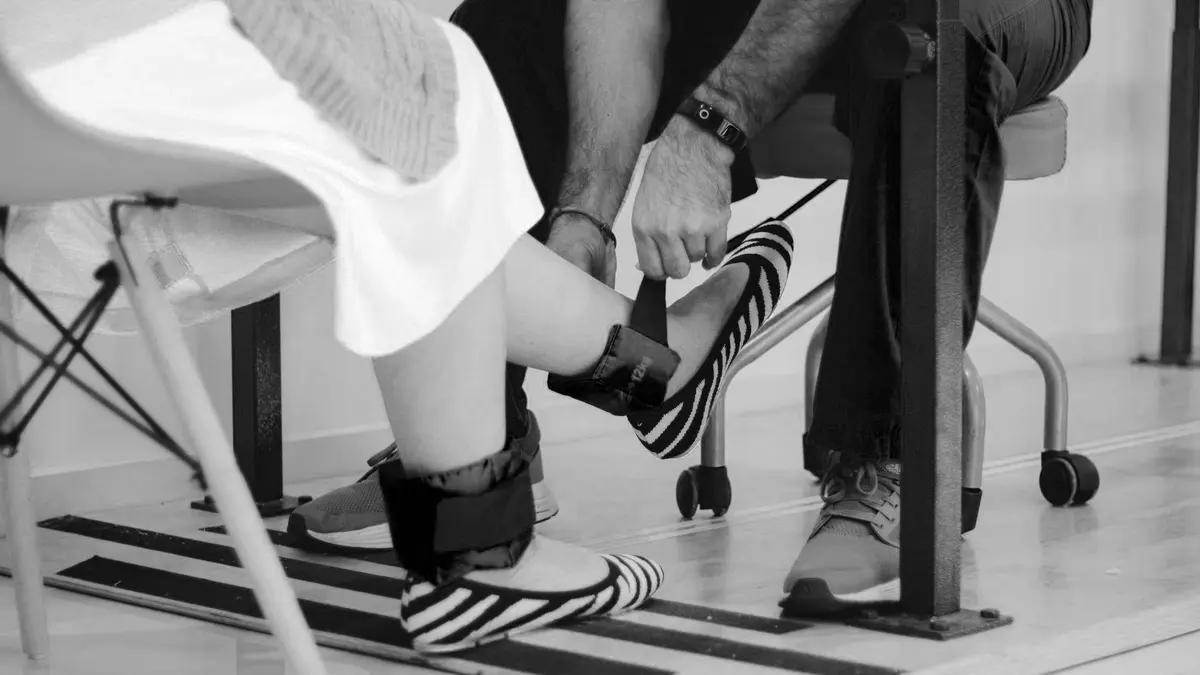
Should you finish physical therapy before settlement?
There is no fixed number of visits you must complete before a personal injury case can settle. The more useful question is whether the medical picture is sufficiently developed to make an informed final decision. Physical therapy before settlement may provide important information about progress and remaining limitations, but the end of a treatment schedule is not automatically the right legal stopping point.
A settlement decision should account for the care you may still need and the recovery you are working toward. I would want to understand what your providers expect and what remains uncertain. That allows us to discuss the offer in light of your condition rather than treat the last scheduled appointment as the only relevant fact.

Understand why therapy is ending or continuing
A course of therapy can end for different reasons. The provider may consider the goals achieved, recommend a home program or suggest a different approach. Authorization may also affect the number of visits available. Those circumstances should not be treated as interchangeable.
Ask your treating provider to explain the next step and any continuing restrictions. If symptoms remain, communicate them accurately. The legal evaluation benefits from understanding whether discharge reflects recovery, a plateau or a change in the plan of care.
Continuing therapy can also have different purposes. Some patients are making progress toward specific goals, while others are managing ongoing limitations. The medical professionals should explain the clinical reasoning. A lawyer should not infer the prognosis solely from the number of visits on a bill.
Consider the finality of the release
A personal injury settlement ordinarily involves releasing claims in exchange for payment. Its terms matter. In general, a completed settlement cannot simply be reopened because the injury later proves more troublesome or additional treatment is recommended.
That finality makes unresolved medical questions important. If a physician is still determining whether another procedure may be needed, the client should understand that uncertainty before releasing the claim. Future needs that can reasonably be established should be considered in the evaluation under the applicable law.
This does not mean settlement is impossible while care continues. Some ongoing conditions are sufficiently understood to permit an informed decision. The question is whether the available information and the proposed terms allow the client to assess the consequences fairly.
Keep treatment decisions separate from litigation goals
Physical therapy should be based on appropriate medical advice and your health needs. It should not continue merely to increase the size of a legal file. Nor should medically recommended care be stopped simply because an insurer would prefer to close the claim.
Discuss progress and concerns with the treating professionals. If a particular exercise or schedule is difficult, they can address the medical questions and possible alternatives. A lawyer's role is to understand the resulting evidence and explain the legal implications, not prescribe treatment.
That separation protects the integrity of the case and keeps the patient's interests in view. A clear account of appropriate care is more useful than an arbitrary visit count. The evidence should explain the condition and its consequences in the person's actual life.
Review future needs and work limitations
Before recommending settlement, I would consider whether the injury continues to affect work or ordinary activities. A return to employment may be partial or involve modified duties. Completing therapy does not necessarily establish that the person has returned to the same level of function.
A physician's assessment may help clarify the expected course. Where supported and legally recoverable, future treatment or earnings effects may require additional evidence. The type of proof depends on the claim; not every case needs the same experts or calculations.
There may also be uncertainty that cannot be eliminated. If the client is considering settlement despite that uncertainty, it should be discussed openly. A decision can be informed without every future event being predictable, provided the important assumptions and risks are understood.
Check payment issues before signing
Outstanding treatment bills and reimbursement claims can affect the net recovery. The source paying for therapy may have requirements that need attention. A liability settlement and continued access to first-party medical benefits are not the same question, and the relevant policies and settlement terms should be reviewed.
Do not assume that a settlement automatically pays every provider or guarantees authorization for later care. Conversely, do not assume every medical bill must be deducted from the settlement without examining responsibility for payment. The actual arrangements matter.
I would explain the known deductions and identify any unresolved amounts. That allows you to compare the offer with a realistic estimate of the net result. An apparently clear settlement figure can be misleading if important payment issues remain unexamined.
Make the decision from the developed record
The question of physical therapy before settlement is ultimately part of a broader discussion about readiness. We should understand the injury well enough to evaluate the offer and explain what rights would end. If important information is missing, we should identify what is needed and why.
If the record is sufficiently developed, continuing care does not necessarily prevent a resolution. If it is not, the calendar alone should not drive the decision. Legal deadlines still need to be protected while treatment and investigation continue.
My objective is to help you make a decision that reflects both the evidence and your circumstances. The right discussion connects the medical outlook with the legal consequences, so you can evaluate settlement without being pushed by an artificial visit count or an unexplained deadline from an insurer.
Sources and Further Reading
About Michael B. Fusco
Michael B. Fusco is a New Jersey personal injury attorney certified by the Supreme Court of New Jersey as a Civil Trial Attorney. Read Mike’s biography and credentials.
Discuss Your Personal Injury Questions
If you have questions about an injury in New Jersey, I am happy to discuss what happened and the options the facts may support. You do not need to have every document or answer before contacting us. Call 732-465-8733 or contact Fusco Law for a free personal injury consultation.
General Information
This article provides general information, not legal advice for a particular situation. Laws and policy terms must be applied to the actual facts. Reading this article or contacting the firm does not, by itself, create an attorney-client relationship.