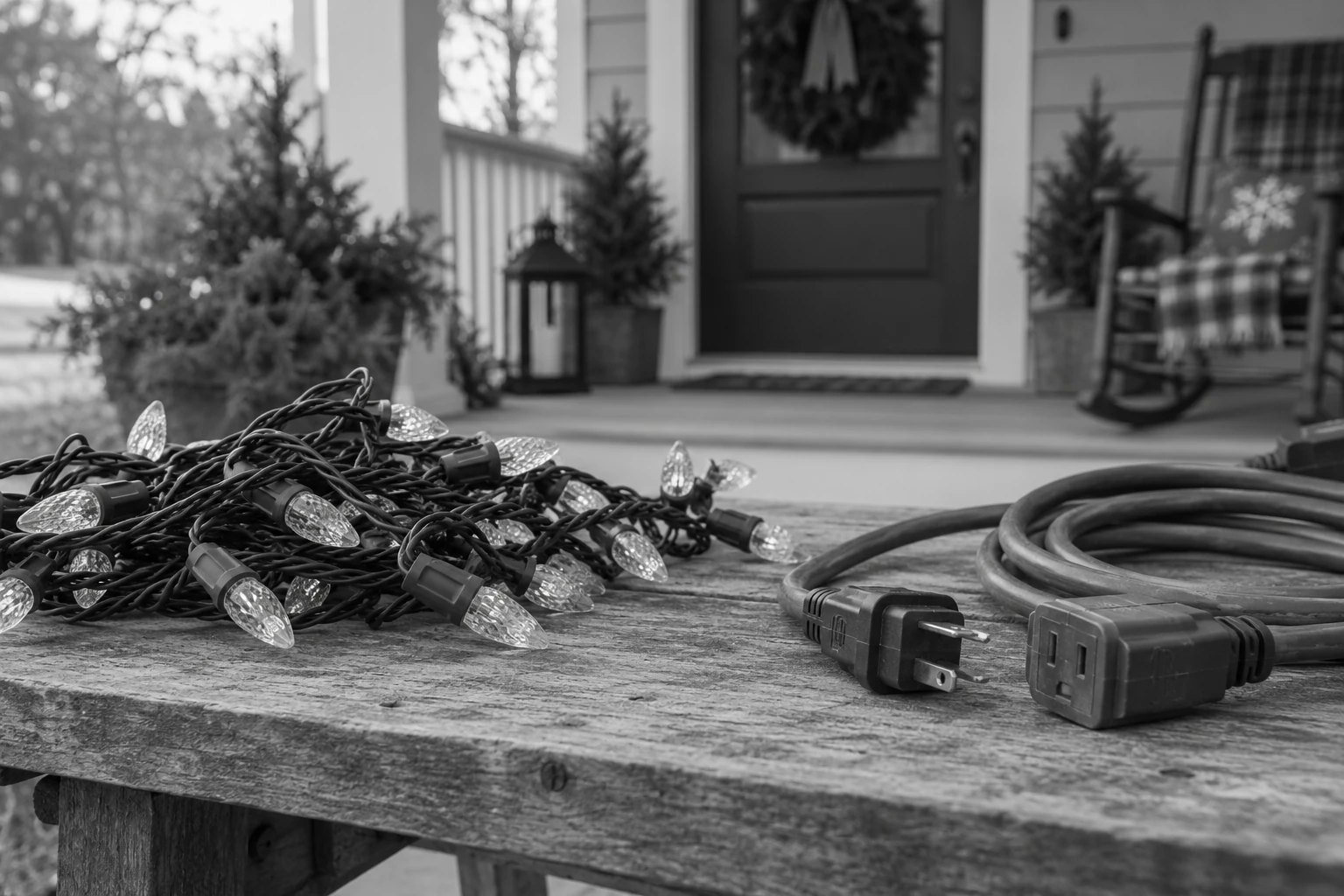
An electrical decoration injury calls for a focused investigation
An electrical decoration injury may begin with the product itself or with the way someone installed and used it. That distinction matters. A damaged light string and a sound light string connected to an unsafe setup can present different claims. I would want to understand the source of the electrical problem before deciding which party should answer for it.
The first priority is medical attention and preventing further exposure. Do not handle a damaged cord or try to recreate the incident. An electrical hazard may remain present even when a display appears to have stopped working. Emergency personnel and qualified professionals should address the immediate danger.
Preserving the equipment and its installation history can help explain why a decorative display became dangerous. That work can often begin through photographs and a request that the responsible business retain the items, without asking an injured person to touch them.
Separate the display from the electrical setup
A seasonal display may involve a store, an outside installer and equipment purchased from another company. We need to identify which part allegedly failed. Was someone shocked while touching a decorative fixture? Did an electrical event start a fire? Did the injury instead result from tripping over the cord? These are different mechanisms and should not be blended together.
For an electrical event, the location of the connections and the equipment's intended use may be significant. Products designed for indoor use may have different limitations from products intended for outdoor conditions. A qualified expert may need to evaluate what was installed and whether it was appropriate for that setting.
The Consumer Product Safety Commission identifies electrical shock and fire hazards associated with certain seasonal lighting defects. That guidance is useful background. It does not establish that a particular product was defective or that a particular person caused an injury. Those conclusions require evidence about the actual equipment.
Find out who installed and maintained it
The property owner may not have assembled the display. A tenant may have arranged the installation, or a contractor may have returned to make adjustments. I would seek the relevant work records and identify who had responsibility for inspections or repairs while the display was operating.
A contract can describe those responsibilities, but actual conduct matters too. A business that receives a report of sparking equipment cannot be evaluated solely by pointing to the name on an installation invoice. What the business knew and what it did in response may become part of the investigation.
Likewise, the presence of a contractor does not automatically establish contractor fault. The task is to identify the work performed and whether a failure in that work contributed to the event. Naming every company associated with a property is not a substitute for building that connection.
Keep the product available for proper examination
If a product defect may be involved, the exact item can be important evidence. A receipt, packaging or photograph of a model label may help identify it. The equipment should not be discarded or repaired without considering how it will be preserved and examined safely.
An injured visitor usually does not control the display. Counsel may need to send a preservation request to the business or installer. That request can identify the event and the relevant items so the recipient understands what needs to be retained.
Preservation does not mean preventing necessary safety work. An unsafe area may need to be secured immediately. The goal is to coordinate safety with documentation and retention of evidence, rather than leave a dangerous display in service for the sake of a case.
Record what you observed without conducting an experiment
Your account should explain where you were and what happened immediately before the injury. Describe a flash, sound or sensation if you experienced it. If someone else later told you what failed, identify that as information from another person rather than a conclusion you personally observed.
Photographs taken safely by others may show the layout or the condition after the incident. Keep the original images. A wider view can connect a close-up to the actual location, while the time information may help match the image with video or an incident report.
Do not reconnect equipment, press switches or return to a hazardous area to obtain a stronger photograph. Technical testing belongs in a controlled examination. A careful investigation can preserve useful evidence without exposing anyone to another injury.
Connect the event to the medical evidence
Explain the mechanism to your treating professionals and follow their advice about evaluation and follow-up. A lawyer should not infer the extent of an electrical injury from the appearance of a photograph. The medical record and the course of your symptoms need to be understood on their own terms.
If symptoms change after the initial evaluation, tell your providers. For the legal review, it is also helpful to know how the injury affected work or ordinary activities. Keep those descriptions specific to your experience rather than trying to fit them into a label.
The legal analysis may involve premises responsibility, negligent installation or a product claim. Each has its own requirements. Starting with the actual failure and preserving the relevant evidence gives us a sounder basis for pursuing the available options than assuming every electrical incident has the same cause.
Sources and Further Reading
About Michael B. Fusco
Michael B. Fusco is a New Jersey personal injury attorney certified by the Supreme Court of New Jersey as a Civil Trial Attorney. Read Mike’s biography and credentials.
Discuss Your Personal Injury Questions
If you have questions about an injury in New Jersey, I am happy to discuss what happened and the options the facts may support. You do not need to have every document or answer before contacting us. Call 732-465-8733 or contact Fusco Law for a free personal injury consultation.
General Information
This article provides general information, not legal advice for a particular situation. Laws and policy terms must be applied to the actual facts. Reading this article or contacting the firm does not, by itself, create an attorney-client relationship.