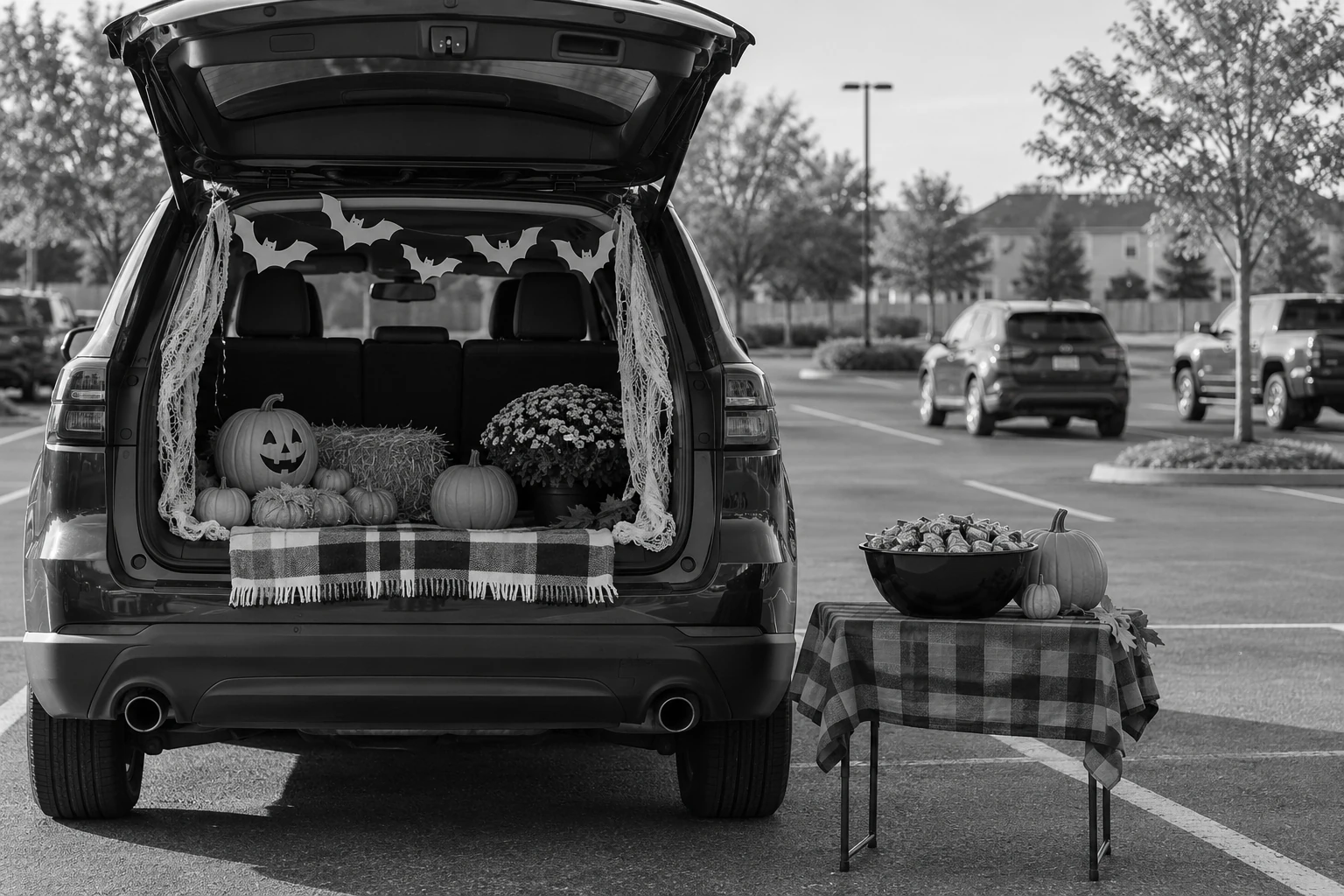
Understanding a trunk-or-treat injury
A trunk-or-treat injury can raise questions about how the event was organized, how vehicles were separated from children and who was responsible for the condition that caused the harm. In New Jersey, the starting point is the actual event and the people or organizations that controlled it. A gathering's friendly purpose does not answer those questions by itself.
Parents often hesitate to raise a concern because volunteers worked hard to put the event together. I understand that concern. A family should be able to ask for answers without feeling that it is taking something away from the community. Investigating an injury is a way to understand what happened and identify any insurance or legal options that may help the child.
Medical care comes first. A parent does not need to finish investigating the parking lot before getting a child evaluated. Other adults may be able to preserve basic information while the family concentrates on the child's needs.
Work out which part of the event caused the injury
A moving vehicle presents different questions from an unsecured display or a fall over a cable. I would want to establish where the child was, how that area was being used and what activity was taking place immediately before the injury. The explanation should be specific enough that someone who was not there can understand the sequence.
For a vehicle incident, the layout may be particularly important. Were arriving cars still moving through the same area where children were collecting candy? Was someone directing traffic? Did the organizer communicate a time after which participating vehicles should remain parked? Those details can help determine whether reasonable precautions were taken.
For a fall, photographs should show both the condition and the surrounding route. A close-up of a cable is useful, but a wider view may explain why children were directed across it. The relationship between the display and the walkway can matter as much as the object itself.
Identify who had responsibility for that area
The property owner, the organizer and an individual participant may have different roles. Renting a parking lot does not necessarily transfer every safety obligation to the renter. Similarly, an organization appearing on a flyer may be a sponsor rather than the entity that managed the event. We need evidence of actual responsibility.
Rental agreements, event instructions and communications with participating drivers can help. An investigation may also identify a contractor that installed equipment or controlled traffic. The goal is to identify supported claims against the appropriate parties, rather than assume that everyone connected to the event shares the same responsibility.
Some events involve public entities or qualifying charitable organizations. New Jersey has special rules that can affect those claims, and the organization's label alone does not resolve whether a protection applies. Those issues deserve early review because special notice requirements may be involved. The family should not have to make that legal assessment alone.
Preserve information while the event can still be reconstructed
Temporary events can disappear within hours. A photograph of the layout, a saved registration confirmation or a message identifying the coordinator may become useful later. Keep the original files and messages, rather than only a cropped screenshot or forwarded version. The original may contain a date or other context that helps establish what it shows.
If an incident report was made, ask how to obtain a copy and record the name of the person who received it. A report to an organizer is useful documentation, but it is not a substitute for any legal notice that might be required. An attorney can evaluate that distinction after identifying the parties.
Witnesses may include parents who were waiting nearby or volunteers assigned to the entrance. Their contact information can be more valuable than an argument about fault at the scene. Let them describe what they saw in their own words. A child's account should also be preserved without repeatedly pressing the child to supply details that are not remembered.
Document the child's recovery in ordinary terms
An injury may affect school, sleep or activities before the long-term medical picture is clear. Keep track of those changes and discuss them with the treating professionals. The purpose is to make the child's experience understandable, not to turn each day into a legal exercise.
Medical records help establish the diagnosis and treatment. School communications and activity restrictions can provide additional context where relevant. A parent should distinguish what the child reported from what the parent personally observed. Both may matter, but they are different kinds of information.
If a settlement is eventually considered, claims involving minors have additional legal safeguards and may require court approval. A quick offer should therefore be reviewed in light of the child's prognosis and the procedures that apply. The immediate priority is understanding the injury and preserving the child's options.
Put the evidence together before drawing conclusions
A trunk-or-treat injury should be evaluated on its facts, with attention to both the event's operation and the child's recovery. Reasonable safety measures, the nature of the hazard and the connection between that hazard and the injury all matter. We cannot reliably answer those questions from the event's name or a single photograph.
I would begin with the family's account and the material already available, then identify what still needs to be obtained. That may involve requesting records or locating a witness rather than asking the family to investigate every participant itself. A careful investigation gives the family a better basis for deciding what to do next.
It is possible to respect the people who organized a community event and still take a child's injury seriously. The child's needs deserve a clear explanation, a fair assessment and timely attention to any rights that the evidence supports.
Sources and Further Reading
About Michael B. Fusco
Michael B. Fusco is a New Jersey personal injury attorney certified by the Supreme Court of New Jersey as a Civil Trial Attorney. Read Mike’s biography and credentials.
Discuss Your Personal Injury Questions
If you have questions about an injury in New Jersey, I am happy to discuss what happened and the options the facts may support. You do not need to have every document or answer before contacting us. Call 732-465-8733 or contact Fusco Law for a free personal injury consultation.
General Information
This article provides general information, not legal advice for a particular situation. Laws and policy terms must be applied to the actual facts. Reading this article or contacting the firm does not, by itself, create an attorney-client relationship.