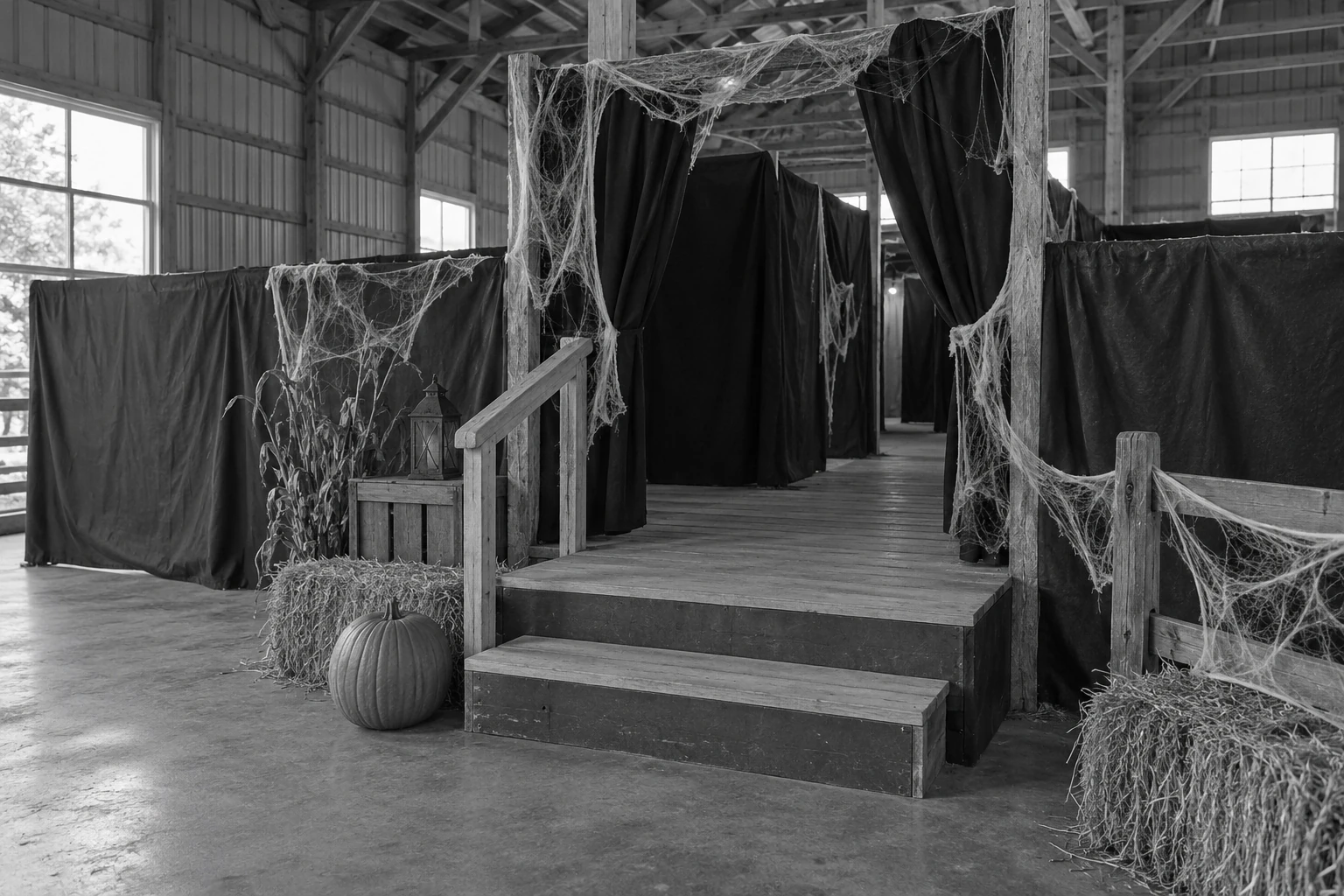
A haunted attraction injury is about what actually happened
A haunted attraction injury deserves an examination of the physical event that caused it. Visitors may expect theatrical surprises, but that expectation does not answer whether a broken step, unsafe passage or poorly managed crowd caused an avoidable injury. I would separate the entertainment from the condition or conduct that needs investigation.
Families can enjoy a seasonal attraction while still expecting reasonable attention to physical safety. The important facts include where the visitor was directed to go and what was happening in that area. A general warning that an attraction is frightening may not address a particular physical hazard.
The first discussion does not need to resolve every question about a waiver or the operator's rules. Start with the route through the attraction and the event that interrupted it. Documents and photographs can then help us evaluate the responsibilities involved.
Reconstruct the visitor's path
Darkness and theatrical effects can make it difficult to describe a location afterward. Identify the last feature you remember before the injury and the nearest exit or staff station. A ticket or attraction map may help connect that description to the operator's layout.
If you fell on steps, explain whether you were going up or down and whether anything about the surface or handrail stood out. If you were pushed in a crowd, describe what caused the movement as best you can. Do not fill in an uncertain detail simply because a written report asks for a precise answer.
Other visitors may have seen the event from a different position. Their contact information can be more useful than a brief description passed from person to person. Counsel can evaluate what each witness actually observed and how it fits with the rest of the evidence.
Examine how the attraction operated
Responsibility may turn on the operator's procedures as well as the physical setting. Staff may control the number of people entering an area or direct visitors around a temporary condition. The investigation should examine what those procedures required and what happened on the day of the injury.
An actor's participation also needs context. Theatrical conduct within the advertised experience is different from conduct that creates an unexpected physical danger. The precise interaction matters more than applying a broad label such as being startled.
The business operating the attraction may rent the property. A separate contractor may have built a temporary feature. Identifying those relationships helps determine who controlled the condition at issue. It does not mean that every person associated with the attraction is automatically liable.
Read the ticket and waiver carefully
Keep the ticket confirmation and any waiver presented during purchase or admission. If a form was signed electronically, preserve the confirmation email and the version available to you. A short summary on a website may not contain all the language the operator relies on.
A waiver should be evaluated under the law governing the activity and the claim. Its existence is a reason to review the document, not a reason to assume that the injured visitor has no options. The wording, the circumstances and the particular conduct alleged can matter.
When a child is involved, the analysis requires additional care. Do not assume that an adult's signature resolves every question about a child's rights. Tell counsel who signed, how the document was presented and whether the child was participating under an age-specific policy.
Preserve evidence before the seasonal setup changes
A temporary attraction may be dismantled shortly after the season. That makes early preservation important. The relevant materials may include photographs of the route, an incident report and records identifying the people who constructed or maintained the feature.
Ask for the incident number and keep the name of the staff member who responded. If the attraction has video, a prompt preservation request can identify the area and time. A conversation with an employee does not necessarily establish that a recording has been saved.
Avoid returning to a dark or unsafe area to document it. Other visitors' photographs may help establish the layout, and a formal investigation can address conditions you could not safely record yourself. Medical care takes priority over obtaining a perfect photograph.
Give the injury its own careful assessment
Tell the treating provider how the injury occurred and what symptoms followed. For a child, describe changes you personally observed and distinguish them from what the child reported. A parent should not have to translate the event into a medical diagnosis.
The evaluation should account for recovery over time. A brief initial note may not capture the later effect on school, work or ordinary activity. Continued communication with treating professionals allows the medical history to develop accurately.
Some seasonal events involve nonprofit or public organizations with additional legal rules. Those issues should be checked promptly when relevant. They should not replace the initial task of identifying the operator, the physical hazard and the evidence supporting the injury. A focused review can explain which options the particular facts support.
Sources and Further Reading
About Michael B. Fusco
Michael B. Fusco is a New Jersey personal injury attorney certified by the Supreme Court of New Jersey as a Civil Trial Attorney. Read Mike’s biography and credentials.
Discuss Your Personal Injury Questions
If you have questions about an injury in New Jersey, I am happy to discuss what happened and the options the facts may support. You do not need to have every document or answer before contacting us. Call 732-465-8733 or contact Fusco Law for a free personal injury consultation.
General Information
This article provides general information, not legal advice for a particular situation. Laws and policy terms must be applied to the actual facts. Reading this article or contacting the firm does not, by itself, create an attorney-client relationship.