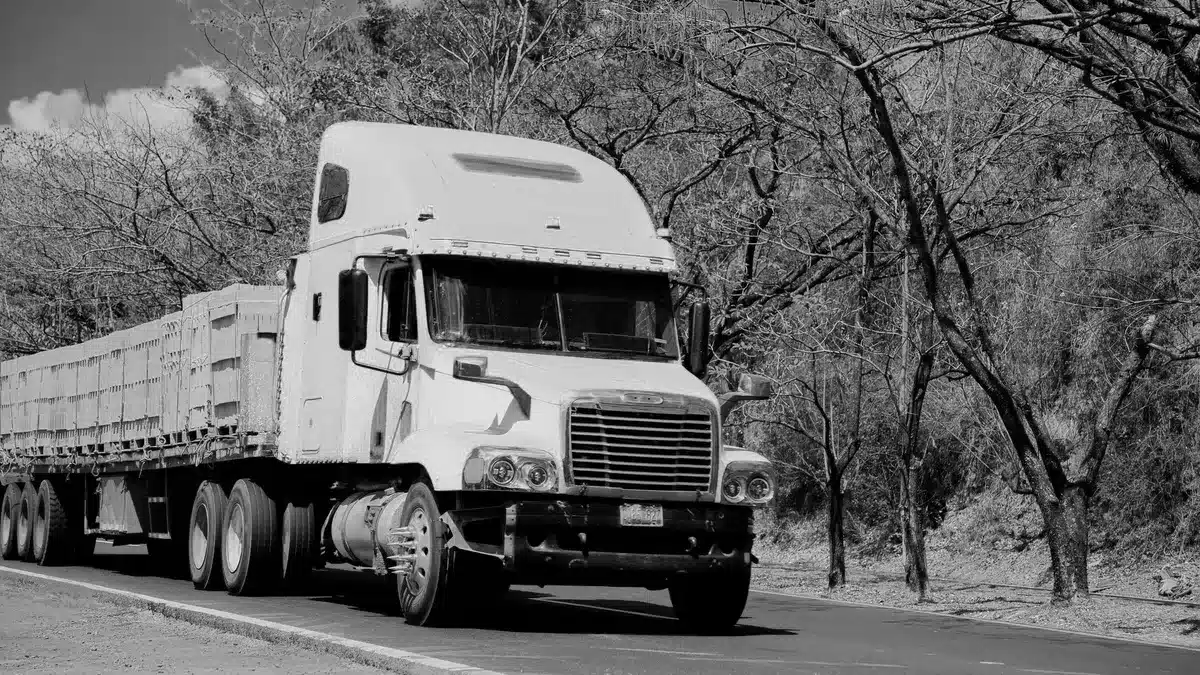
When truck cargo contributes to an injury
Truck cargo can create a hazard when it shifts inside a trailer or falls onto the roadway. The investigation may need to begin before the truck left the loading area. Who placed the load, how it was secured and what happened during the trip can all affect the analysis.
Tracing the load from the loading area to the roadway can reveal how a preventable hazard developed. I want to identify the actual source of the problem and the responsibilities connected to it. The person driving and the company loading may each have relevant duties, depending on the facts and applicable rules.
Cargo can affect the vehicle without falling off
A moving load can alter the way a truck responds during a turn or braking. The relevant question may be whether the cargo was positioned and restrained appropriately for transportation. That requires information about the actual load rather than a general assumption about the trailer.
Different materials present different issues. Boxed freight and a liquid load do not behave in the same way. Federal rules include general securement requirements and provisions for particular commodities. The correct standard should be identified before drawing conclusions about a particular method.
An engineering or trucking specialist may need to examine the load configuration and the vehicle’s movement. The analysis should explain whether the cargo contributed to the collision and how. A photograph of spilled material establishes a condition after the event, but may not show whether movement began before or during the impact.
Determine who controlled the loading
Shipping documents can identify the source of the freight and the businesses involved. Loading records or available dock footage may show who placed and secured it. The carrier’s instructions may explain whether the driver participated or received a sealed trailer.
The physical work and the contractual arrangement should be considered together. A company may have undertaken a particular task while another retained an inspection responsibility. We need to identify those roles rather than assume that the last person to touch the load bears every obligation.
If a securement device failed, its condition and suitability may need examination. A damaged strap after a crash does not, by itself, explain whether it failed first or was damaged by the collision. Preserving the device and its attachment points can help an expert answer that question.
The driver’s inspection duties have qualifications
For covered operations, federal rules address inspection of truck cargo and securement during the trip. Section 392.9 includes an inspection within the first 50 miles and later checks tied to specified events or intervals. The rule also has an exception for certain sealed or impracticable-to-inspect loads.
The actual exception needs to be examined. A sealed load may limit access to its contents, but the investigation may still identify information available outside the sealed area. Weight information or handling concerns can raise questions different from physically inspecting each item.
The rule should be applied to the operation and evidence, not reduced to a slogan that the driver always or never had responsibility. The claim needs to identify the applicable duty and explain how a failure to meet it contributed to the injury.
Preserve the loading history as well as the scene
Cargo may be moved quickly after a crash so the roadway can reopen or the shipment can continue. Photographs taken before unloading can be useful when safely available. Relevant materials may otherwise be restacked or discarded before the significance is understood.
A preservation effort may need to address the load and securement equipment as well as documents. Shipment records and communications can help establish the sequence. If outside vendors hold footage or tracking data, those sources may need attention too.
An injured person should not enter traffic or handle unstable material to gather evidence. Tell your lawyer what you observed and provide the photographs or report information you already have. Appropriate investigators and experts can assess the additional work required.
Consider the roadway event fairly
If cargo fell in front of a vehicle, the driver’s opportunity to respond may be important. The location and timing of the falling material can affect the analysis. A sudden event may present a different situation from debris visible for an extended approach.
Witness accounts and recordings can help establish that sequence. The evidence should also identify the source of the material. A vehicle following a truck may reasonably suspect where debris came from, but the claim benefits from independent support where it can be obtained.
The legal assessment should account for the actions of everyone involved without assuming the injured driver caused the problem because a collision occurred. I want a supported explanation of the available reaction time and the circumstances that created the hazard.
Develop the injury claim alongside the cargo investigation
Technical evidence about truck cargo explains one part of the case. Medical records and the client’s experience explain the resulting harm. Both need attention so that the claim connects responsibility to the actual consequences of the incident.
If you were injured in an event involving a shifting or fallen load, bring whatever identifying information you have. The truck number or shipment details may help locate important records. You do not need to know the securement rule before asking for help. We can identify the questions and pursue the evidence needed to evaluate them.
Sources and Further Reading
About Michael B. Fusco
Michael B. Fusco is a New Jersey personal injury attorney certified by the Supreme Court of New Jersey as a Civil Trial Attorney. Read Mike’s biography and credentials.
Discuss Your Personal Injury Questions
If you have questions about an injury in New Jersey, I am happy to discuss what happened and the options the facts may support. You do not need to have every document or answer before contacting us. Call 732-465-8733 or contact Fusco Law for a free personal injury consultation.
General Information
This article provides general information, not legal advice for a particular situation. Laws and policy terms must be applied to the actual facts. Reading this article or contacting the firm does not, by itself, create an attorney-client relationship.