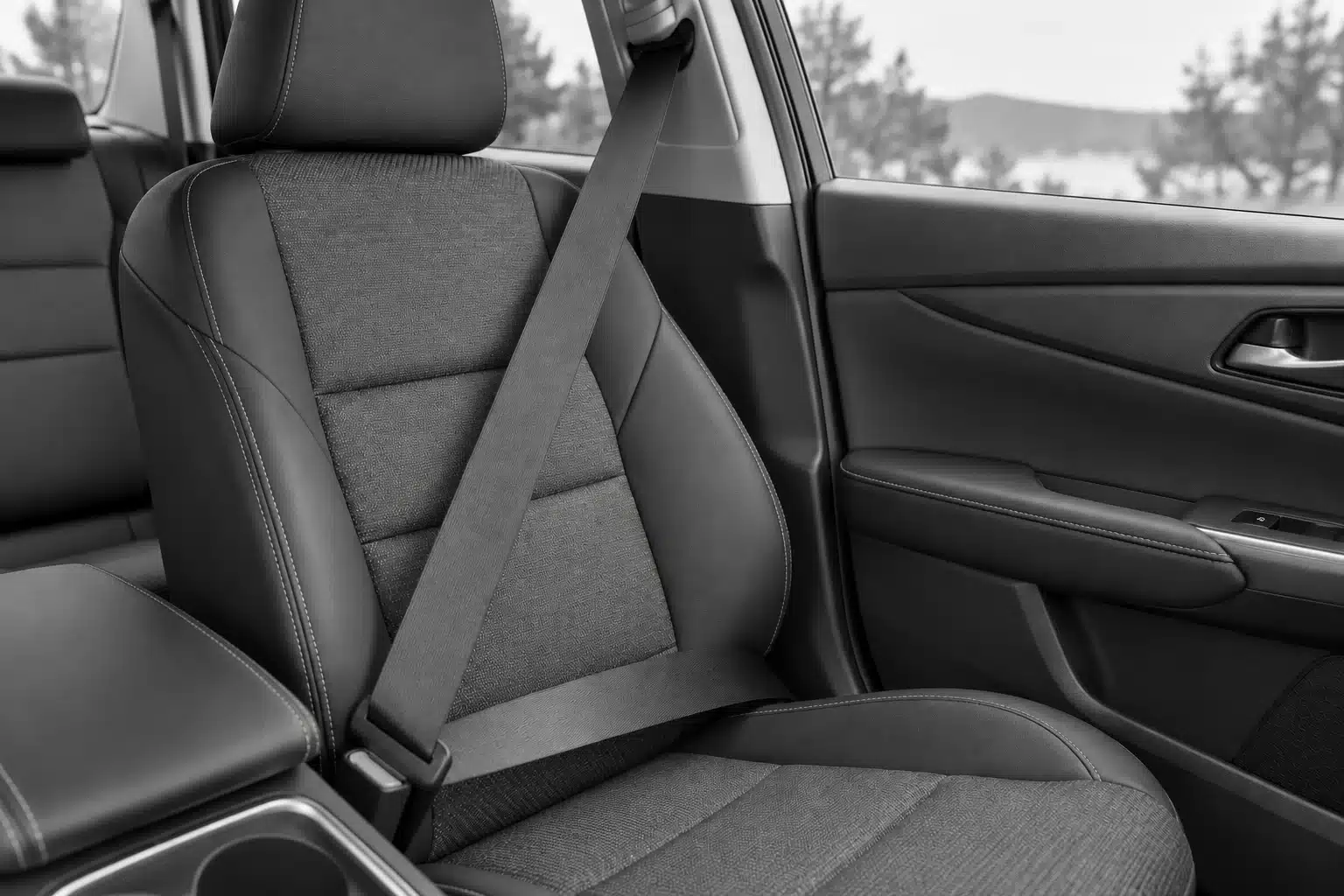
A Seat Belt Issue Does Not Decide the Entire Claim
Not wearing a seat belt does not automatically eliminate a New Jersey personal injury claim. Responsibility for causing the collision and the effect of restraint use on particular injuries are separate questions. The defense may seek a reduction in damages if it proves the required connection between nonuse and avoidable harm. That argument needs evidence, not an assumption that every injury resulted from the absence of a belt.
If you are concerned about this issue, explain the facts to your lawyer from the beginning. We need to understand what you remember and what the available records show. That allows the issue to be investigated accurately and any necessary evidence to be preserved. It is better to address the question directly than let uncertainty prevent you from asking about your rights.
Your claim deserves a careful evaluation of how the collision happened and what caused each injury. A restraint issue can be significant, but it should be considered under the legal standards that actually apply. It is not a substitute for examining the other driver's conduct or the medical evidence.
Separate Collision Fault From Injury Enhancement
New Jersey's model jury instructions distinguish a seat belt defense from responsibility for causing the accident. If another driver entered your lane or failed to stop, the investigation of that conduct remains important. Restraint use generally concerns the extent of harm, rather than why the vehicles collided in the first place.
The damages inquiry asks whether use of an available restraint would have prevented or reduced particular injuries. That requires more than pointing out nonuse. Under the governing standards, the defendant must establish the necessary elements and the connection to injury enhancement. The resulting analysis should identify what harm is attributable to that issue.
For a client, the practical distinction is important. A statement that “you were not belted, so there is no case” may skip the required analysis. We need to know which injuries are being challenged and what evidence supports the position. Some injuries may have occurred even with proper restraint, while others may involve a disputed mechanism.
I would evaluate the medical and collision evidence together before advising how the issue may affect a claim. The answer cannot responsibly be reduced to a standard percentage. The particular impact, the occupant's position and the supported injury mechanism all may require examination by qualified experts.
Preserve the Evidence Needed to Answer the Question
If seat belt use or function may be disputed, tell counsel before the vehicle or restraint system is altered or disposed of. A qualified inspection may be important. Do not attempt to test or modify damaged equipment yourself. Preserving the condition allows the appropriate professionals to evaluate evidence that might otherwise be lost during repair or salvage.
Photographs and early records may also help. The police report or medical chart can contain information about restraint use, but an entry still needs to be understood in context. We should identify who supplied the information and whether it reflects an observation, a statement or a misunderstanding. A single notation is not always a complete account of the circumstances.
Your recollection matters, including its limits. If you remember fastening the belt, explain that. If the sequence is unclear because of the collision or your injuries, say what you do and do not remember. There is no need to fill a gap with an estimate merely because someone asks for a definite answer.
Other evidence may help resolve the issue. An expert may consider the restraint system and the physical evidence in the vehicle. The purpose of that investigation is to determine what the facts support. It should not begin with a desired conclusion about use, nonuse or malfunction.
Require a Supported Explanation of Any Proposed Reduction
A seat belt defense often involves medical and technical questions. The defense may rely on expert analysis to explain how a restraint would have affected the occupant's movement and the resulting injuries. Counsel should examine whether that opinion addresses the actual collision and the specific injury, rather than a generalized proposition about vehicle safety.
Seat belts provide important protection, and they should be used as required. That safety principle does not by itself calculate the effect of nonuse in a particular lawsuit. The legal question remains tied to the evidence concerning avoidable or enhanced injury. A sound analysis must connect the general principle to the facts being decided.
I would also examine whether the proposed damages argument accounts for injuries that would have occurred regardless of restraint use. Those distinctions matter when evaluating an offer or preparing for trial. The claim should be assessed with the correct separation between collision-related harm and any proven enhancement attributable to nonuse.
An insurer's initial position is not a judicial finding. If the carrier proposes a reduction, we can ask for the factual and legal basis and compare it with the available evidence. That review helps the client understand whether the position is supported, disputed or still awaiting necessary information.
Address a Possible Malfunction and Make Informed Decisions
If a seat belt did not operate as expected, a separate investigation may be appropriate. The cause could involve the equipment or other circumstances requiring technical review. A concern about function should be reported promptly so the vehicle and relevant components can be preserved. The existence of a concern alone does not establish a defect or identify a responsible party.
These cases can require coordination among medical and engineering professionals. I want the investigation to answer the necessary questions without making assumptions about what an inspection will show. The evidence may support a distinct claim, clarify a defense or explain an issue that initially appeared uncertain.
When discussing settlement, I explain the strength of the available proof and the risk associated with disputed issues. A seat belt question is one part of that discussion. The client's injuries, the evidence of collision responsibility and the available coverage must also be considered before deciding whether an offer fairly addresses the claim.
You do not need to resolve those questions before contacting a lawyer. Bring the documents and explain what happened as accurately as you can. We can identify what needs investigation and evaluate the effect of the issue under New Jersey law. The goal is a fair assessment of your rights based on evidence, with a clear explanation of the options the facts may support.
Sources and Further Reading
About Michael B. Fusco
Michael B. Fusco is a New Jersey personal injury attorney certified by the Supreme Court of New Jersey as a Civil Trial Attorney. Read Mike’s biography and credentials.
Discuss Your Personal Injury Questions
If you have questions about an injury in New Jersey, I am happy to discuss what happened and the options the facts may support. You do not need to have every document or answer before contacting us. Call 732-465-8733 or contact Fusco Law for a free personal injury consultation.
General Information
This article provides general information, not legal advice for a particular situation. Laws and policy terms must be applied to the actual facts. Reading this article or contacting the firm does not, by itself, create an attorney-client relationship.