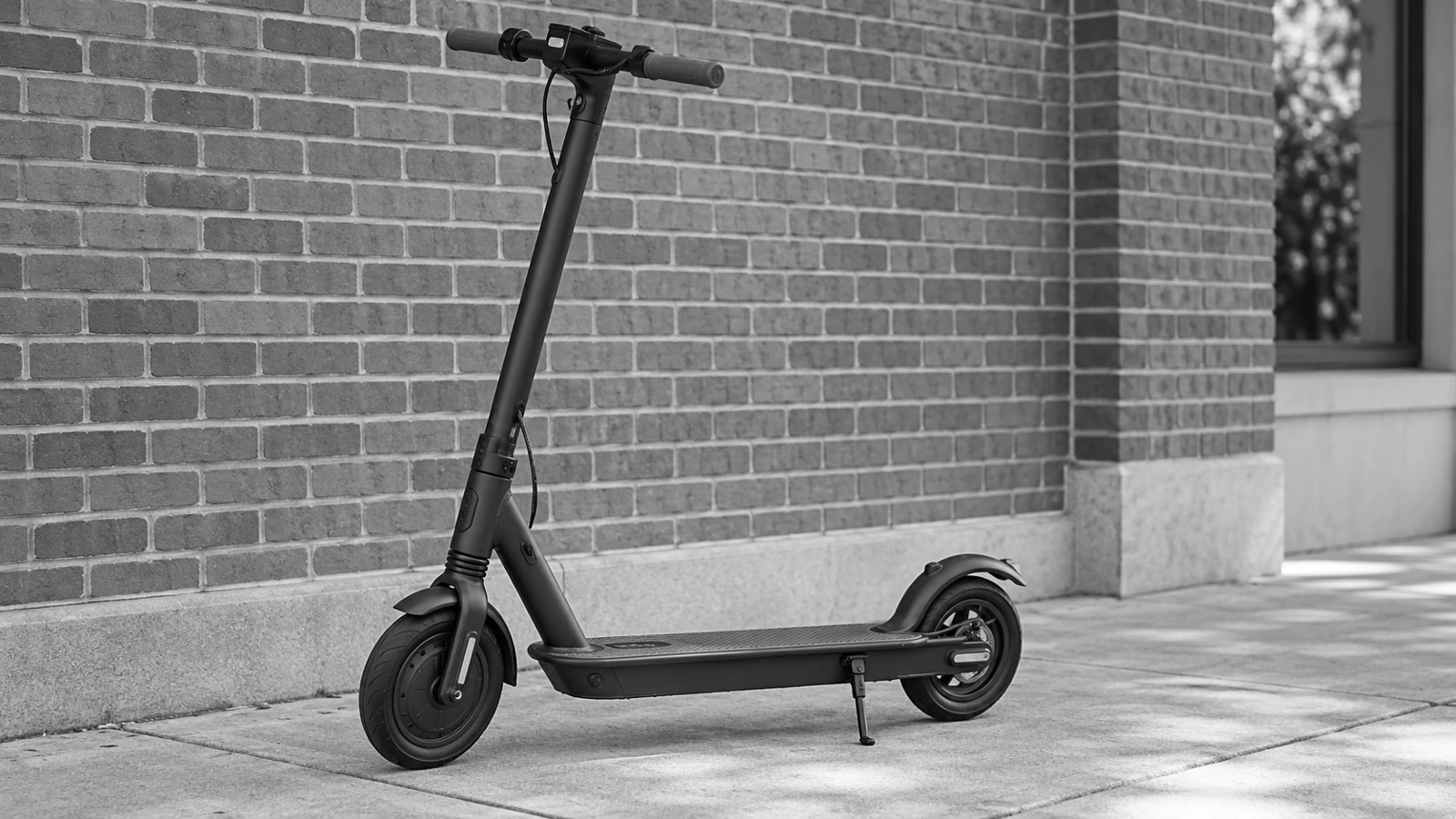
Investigating a Rented E-Scooter Injury
A rented e-scooter injury may involve another road user, the condition of the scooter or the way the rental service maintained its equipment. I would begin by asking what caused the fall or collision and which records can help answer that question. The fact that a rider accepted terms in an app does not eliminate the need to investigate the event.
An injured rider deserves a careful review of the rental agreement and the evidence explaining what happened. The agreement may contain important provisions, but it needs to be read alongside the facts and New Jersey law. A client deserves an explanation of that analysis rather than a quick conclusion based on a screen they clicked before the ride.
Identify the Scooter Before It Returns to Service
Rental scooters often move quickly between riders and locations. A photograph of the identifying number can help connect the injury to the correct unit. The ride receipt and account history may also identify it even if the scooter was removed before you could take a picture.
If there may have been a mechanical problem, prompt notice can help preserve inspection and repair records. The condition of the brakes, wheel or steering assembly may become difficult to assess after further use. Do not attempt a test ride or repair to recreate the problem yourself.
Safety remains the priority. Obtain appropriate help and move away from immediate traffic hazards if you can do so safely. Evidence collection can be coordinated afterward. A person who needed emergency treatment should not be faulted for failing to conduct an inspection at the scene.
Distinguish a Maintenance Problem From a Roadway Event
A scooter that fails to stop raises a different question from one struck by a turning vehicle. Sometimes both equipment condition and traffic movements need investigation. Your description of what you experienced can help identify the right technical inquiry without requiring you to diagnose the cause.
Rental records may show prior complaints, inspection dates or work on the particular unit. A general statement that a company maintains its fleet does not answer whether this scooter was inspected properly. Conversely, the absence of a document in an initial response is not proof that maintenance never occurred. Follow-up discovery may be necessary.
Photographs and nearby video can help establish the surroundings. A surface defect, poor visibility or another person's movement may be relevant. The investigation should remain focused on conditions connected to the injury rather than expand into every possible concern about scooter use.
Read the Rental Terms Carefully
An app agreement may address liability, arbitration and the way disputes must be raised. Whether a particular provision applies or can be enforced depends on its wording, presentation and the governing law. Those questions should be evaluated before assuming that a signature or click decides the claim.
Save the version of the terms available in your account and any email confirming the rental. The current website may display a different agreement from the one in effect on the ride date. The company may need to produce the actual acceptance record and terms associated with that transaction.
A waiver and an arbitration clause also do different things. One may address the scope of a release, while the other concerns where a dispute is decided. A careful review explains the practical effect of each provision and the legal issues it raises.
Preserve the Digital Record of the Ride
The rental platform may retain information about activation, location and the end of the trip. Some systems also record operational or maintenance data. The availability and accuracy depend on the service and equipment; an app map should not automatically be treated as a precise reconstruction.
A focused preservation request can identify the rider's account, approximate time and scooter number. It should also address relevant complaints or service records when equipment condition is at issue. Retention periods can vary, so waiting for every medical question to be resolved can put useful evidence at risk.
Your own account records should be kept as well. Preserve the original receipt and communications without editing them. If an app screen changes or disappears, note what you remember seeing and when. We can then investigate whether the underlying information remains available from the company.
Evaluate the Injury and the Available Coverage
An injury claim requires attention to both responsibility and the harm caused. Medical treatment can establish the nature of the injury, while your account explains how recovery has affected ordinary activities. Neither should be reduced to the appearance of the scooter after the incident.
Insurance may involve the rental business, another driver or other coverage depending on the facts. A public-property issue can create additional procedural requirements and short notice periods, so location should be discussed promptly where relevant. The main task is to identify the viable path supported by the actual event.
You do not need to know whether the case is about maintenance, a product or a traffic violation before asking for advice. A careful review can identify those distinctions and explain what evidence would help develop them. The goal is an informed assessment that respects both your experience and the questions still to be answered.
Sources and Further Reading
About Michael B. Fusco
Michael B. Fusco is a New Jersey personal injury attorney certified by the Supreme Court of New Jersey as a Civil Trial Attorney. Read Mike’s biography and credentials.
Discuss Your Personal Injury Questions
If you have questions about an injury in New Jersey, I am happy to discuss what happened and the options the facts may support. You do not need to have every document or answer before contacting us. Call 732-465-8733 or contact Fusco Law for a free personal injury consultation.
General Information
This article provides general information, not legal advice for a particular situation. Laws and policy terms must be applied to the actual facts. Reading this article or contacting the firm does not, by itself, create an attorney-client relationship.