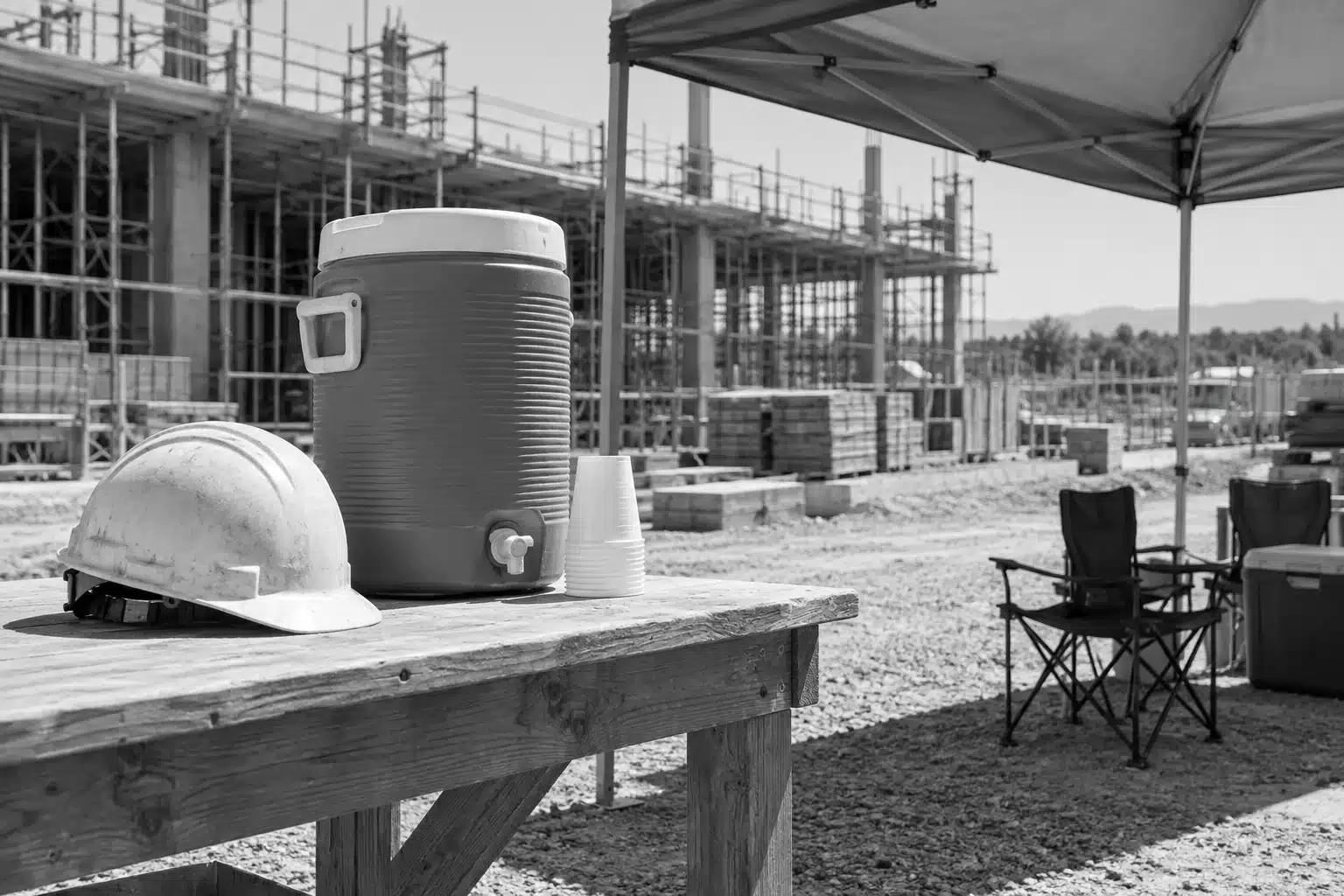
Outdoor heat can be part of a workplace injury
Outdoor heat can be relevant when a worker becomes ill or is injured while performing a job. The important questions are what the work required, what conditions the worker encountered and what the medical evidence shows. A hot day alone does not answer those questions, but it should not cause a work-related illness to be dismissed without review.
A work-related heat injury deserves the same careful attention to medical care and available benefits as another workplace injury. If someone may be experiencing a heat emergency, obtain emergency assistance. Reporting and legal documentation can follow once immediate needs are addressed.
I would want to understand the actual workday. A person doing sustained physical labor in protective equipment may face different conditions from someone taking an occasional trip outdoors. Those differences help guide both medical assessment and investigation.

Workers' compensation looks at the connection to work
New Jersey workers' compensation generally provides benefits for qualifying injuries or illnesses arising out of and in the course of employment without requiring proof of employer negligence. A heat-related condition may require medical evidence connecting the work exposure to the illness or injury.
The claim should describe what happened, including when symptoms began and what tasks were being performed. If the person fell or suffered another injury during the episode, that sequence also matters. The treating records should address the actual events rather than a shorthand description that leaves the connection unclear.
Benefits and procedures depend on the facts. The employer or carrier generally directs authorized medical care in a New Jersey compensation claim, subject to important exceptions such as emergencies. Do not delay emergency care while trying to settle a coverage question.
Report the event clearly
Notify the employer promptly and identify the symptoms and circumstances. Keep a copy of any written report and the response you receive. If the report was made verbally, note whom you spoke with and when.
Workers sometimes minimize what happened because they hope to recover quickly or do not want to disrupt a job. An accurate report does not require dramatizing the event. It simply gives the employer and healthcare providers a fair opportunity to respond to the actual condition.
If a supervisor was absent or the usual reporting process was unavailable, explain that to your lawyer. The question is how to address the facts and protect the claim, not to blame an injured worker for failing to produce perfect paperwork during an emergency.
The conditions at the worksite matter
Your duties, the duration of the work and opportunities for rest may help explain the exposure. Shade and access to water may be relevant, as may the protective equipment the job required. Medical providers may also need information about your health and medications when evaluating what caused the episode.
Do not assume a single outdoor temperature tells the entire story. Conditions at a particular work area can differ from a general weather report. The physical demands of the task may also matter. A lawyer can help identify records and witnesses that clarify the work circumstances.
Preserve work schedules and communications you already possess. A coworker may be able to describe the assignment or the response when symptoms appeared. No one should recreate unsafe conditions or continue an activity simply to obtain evidence.
A separate claim may involve another responsible party
Workers' compensation and a negligence claim against an independent third party are different legal paths. An employer is generally protected from an ordinary negligence suit by an employee for a covered workplace injury. Narrow exceptions require careful analysis and should not be presented as routine.
A separate company may have a relevant duty in some circumstances. Its mere presence at the site is not enough. We need evidence connecting that party's conduct to the injury and a legal basis for holding it responsible.
If both a compensation claim and a third-party recovery are involved, reimbursement rights can affect the result. Those issues should be considered before a settlement is finalized. The gross amount of an offer is not necessarily the amount available to the injured worker after the claims are coordinated.
Safety standards and injury claims serve different purposes
New Jersey's official heat resources discuss prevention and worker protection. Public-employee safety enforcement and private-sector enforcement are not identical. The applicable agency and standard depend on the employment setting.
A safety complaint may help address a workplace condition. It does not, by itself, file a workers' compensation claim or a personal injury lawsuit. Likewise, the absence of a citation does not determine whether a worker experienced a compensable injury.
Your lawyer should distinguish those processes and identify the deadlines that apply. A client should receive a practical explanation of which steps protect medical benefits and which steps concern another potential claim.
Recovery may require changes to the work routine
Discuss return-to-work restrictions with the authorized treating provider. Explain the actual duties rather than relying only on a job title. If a proposed assignment exceeds the restrictions, report the issue through the appropriate channels and seek advice before assuming how it affects benefits.
If you cannot obtain an appointment or the carrier disputes treatment, preserve the written communications. An unresolved administrative problem should be identified so that it can be addressed through the available process.
Get an assessment of the full situation
Outdoor heat cases may involve medical and employment questions that are not obvious at the outset. A careful review can identify the benefits available and whether another party's conduct warrants investigation. You do not have to decide those issues alone while trying to recover.
Sources and Further Reading
About Michael B. Fusco
Michael B. Fusco is a New Jersey personal injury attorney certified by the Supreme Court of New Jersey as a Civil Trial Attorney. Read Mike’s biography and credentials.
Discuss Your Personal Injury Questions
If you have questions about an injury in New Jersey, I am happy to discuss what happened and the options the facts may support. You do not need to have every document or answer before contacting us. Call 732-465-8733 or contact Fusco Law for a free personal injury consultation.
General Information
This article provides general information, not legal advice for a particular situation. Laws and policy terms must be applied to the actual facts. Reading this article or contacting the firm does not, by itself, create an attorney-client relationship.