Why keep original cellphone photos?
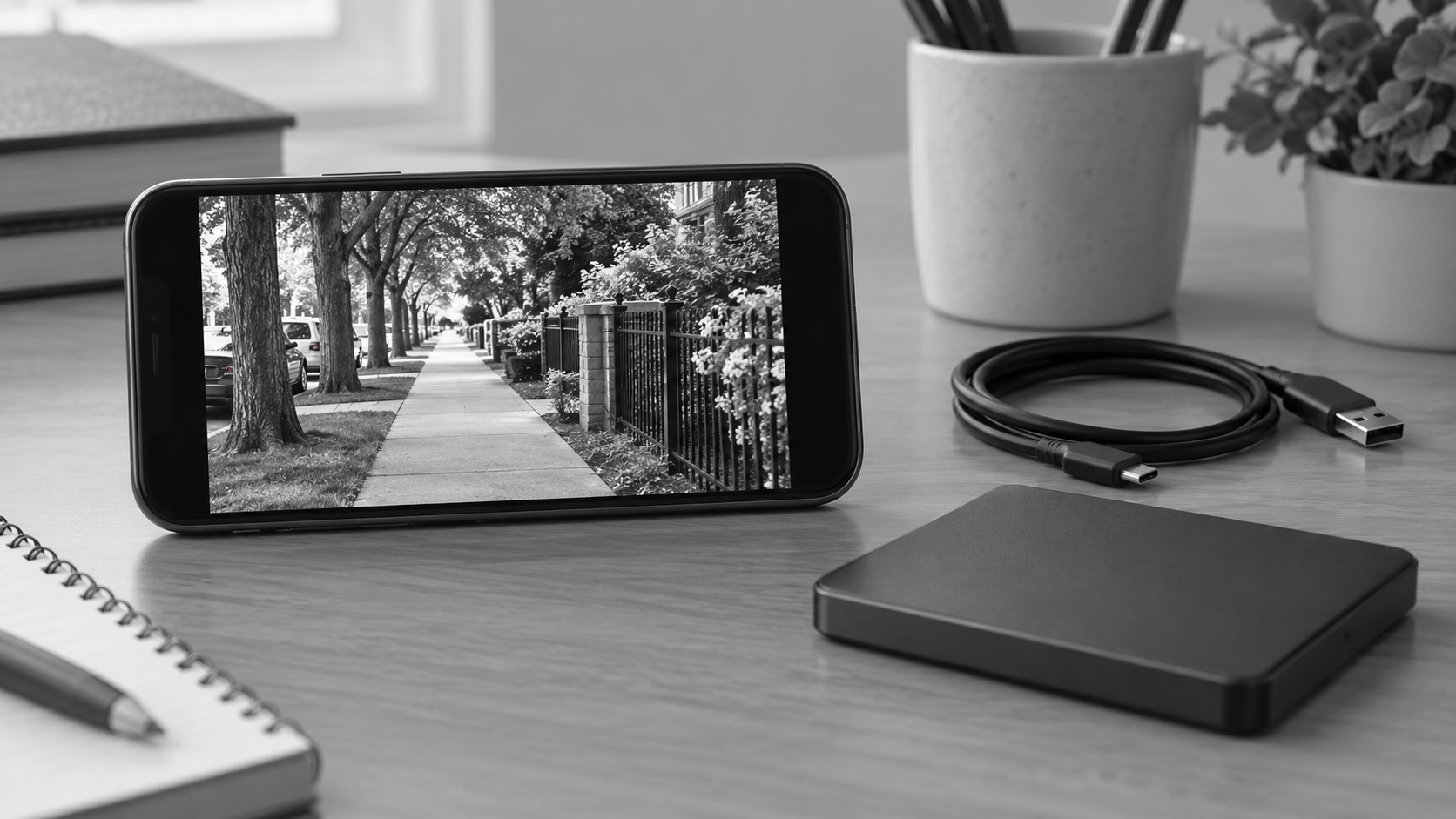
Original cellphone photos can preserve detail and file information that a screenshot may not retain. A screenshot is a new picture of what appeared on your screen. It may be useful, but it should not replace an available camera file.
If you already sent screenshots to an insurer or your lawyer, that is not a reason to be concerned that you did something wrong. The practical next step is to keep the original photographs if they remain available. I would rather preserve what exists now than have a client try to correct or recreate a file.
What can the original file tell us?
Beyond the visible scene, a photo file may contain information about when it was captured and the device that created it. Location information may also be present, depending on the settings. That information is often called metadata.
It can help place photographs in sequence, but it is not infallible. A device clock may be inaccurate, and a transfer may change some information. The file should be considered with the photographer’s account and the other evidence. Metadata does not automatically prove every detail of the event.
Image resolution matters separately. A screenshot may show only the portion visible on a phone screen. The original can contain detail outside that frame or allow closer inspection. Preserving it gives us a better opportunity to evaluate what the camera actually captured.
Can I crop or mark a copy to explain it?
Yes, a separate working copy can be useful when you want to point out a location or explain a feature. Keep the source file as well and identify the marked version as a copy. Avoid saving changes over the only version you have.
An ordinary edit does not automatically make a photograph unusable. The important point is to be clear about what was changed. If you have already cropped or brightened an image, tell your lawyer rather than trying to conceal or reverse the history yourself.
I would also avoid adding objects or using a generative editing tool on evidence. A clearer explanatory copy and a newly invented scene are different things. An explanation should help the reader understand the original, not replace the facts it depicts.
How should original cellphone photos be transferred?
The appropriate method depends on the device and service. Some messaging or social-media tools reduce image quality or omit file information. Sending the picture through several apps can therefore produce a copy that differs from the source.
Where the system offers an unmodified-original export, that may be a useful option. Apple’s instructions, for example, describe ways to export originals from iCloud Photos. The steps should be matched to your actual device rather than followed from memory for a different model.
Keep the source until the transfer is checked. A backup is helpful, but synchronization is not always the same thing as an independent copy: deleting an item on one device may affect what remains elsewhere. If you are unsure how the account works, ask before deleting photographs, resetting the phone or changing storage settings.
Are screenshots still useful evidence?
They can be. A screenshot may be the available record of a message or something displayed in an app. Its usefulness depends on what it shows and whether it can be authenticated. New Jersey’s evidence rules require a sufficient basis to establish that an item is what its proponent claims it is; owning an original file is not the only possible way to do that.
For camera photographs, however, preserving both versions avoids an unnecessary problem. Keep the surrounding context and explain who took the photograph. If the original has been deleted, say so promptly so available recovery options can be considered. Recovery is not guaranteed.
Preserving relevant images does not mean publishing your private photo library or handing over every personal file without review. A collection should be appropriately focused. I would work through what is relevant and how to preserve it, while considering privacy and the procedures that apply to the case.
Sources and further reading
Discuss your personal injury questions
If you have questions about a New Jersey personal injury matter, I am happy to discuss what happened and help you understand the next steps. Contact Fusco Law or call 732-INJURED (732-465-8733).
This article is general information, not legal advice. Reading it or contacting the firm does not, by itself, create an attorney-client relationship.