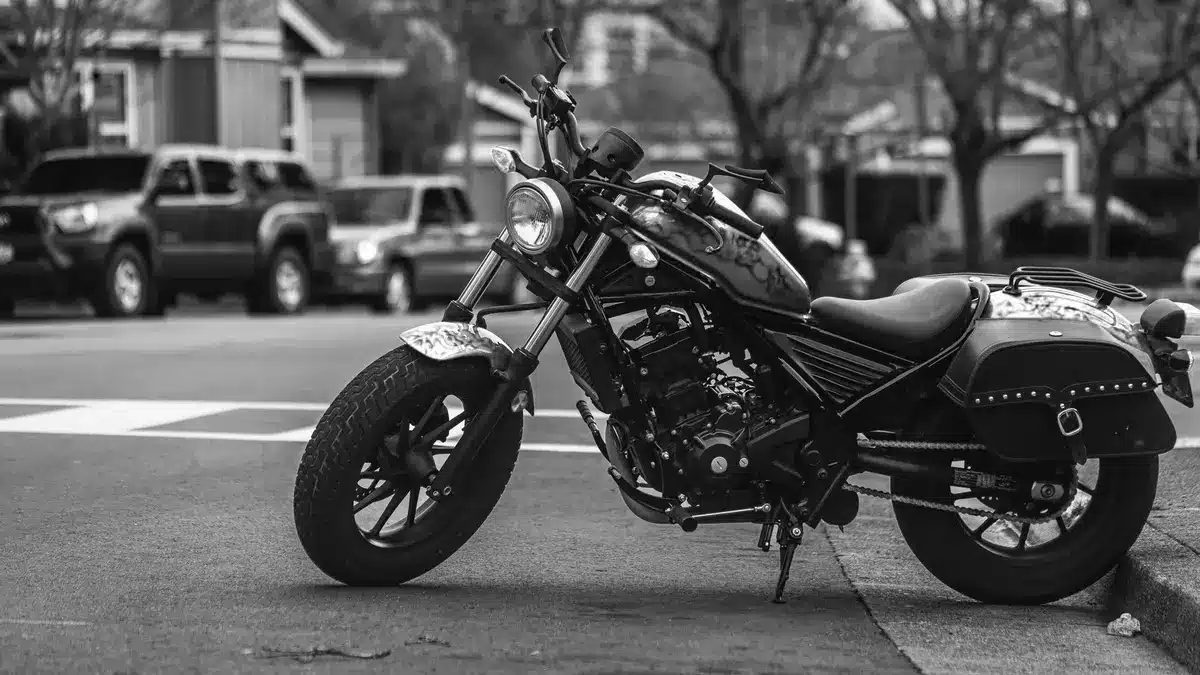
What should be kept after a motorcycle collision?
After a motorcycle collision, protecting the bike and other evidence can help establish how the crash happened. I would identify any inspection needed before repair or salvage disposal. That early work can preserve details of the contact and movement that support your account and help explain responsibility.
Your motorcycle claim deserves a full account of what happened and what the injury has meant for you. A practical preservation plan should consider the bike's location and storage arrangements, together with who needs to inspect it. Acting promptly helps protect the evidence while addressing those practical concerns.
Why keep the helmet and other gear?
Riding gear may show contact marks that help explain the event. Keep it in its existing condition while the need for inspection is assessed. Cleaning or repairing an item can remove details that are difficult to recreate. Do not continue using potentially damaged protective equipment without appropriate safety advice.
The gear and the medical records can contribute different parts of the picture. A qualified expert may interpret contact marks, while treating professionals evaluate your injuries. I would bring those sources together so the physical event and its consequences are both properly explained.
What electronic evidence may explain a motorcycle collision?
A mounted camera may contain a recording that is overwritten during ordinary use. Preserve the original file and available surrounding footage. A clip showing only the impact may omit the approach or the other driver’s movement. Avoid editing the only copy.
A qualified person can assess what electronic information the particular motorcycle may hold and how it can be retrieved. Systems differ by model, so that review should be specific to the bike. Protecting it from unnecessary alteration helps preserve the opportunity to use any relevant data.
How do seasonal conditions affect the investigation?
If glare or leaves affected the collision, I would seek evidence of the conditions at the actual time and place. Photographs from another time may still help establish the layout when the differences are clear. A careful comparison can explain visibility and give us a basis to address the other driver's account.
A statement that the driver failed to see the motorcycle calls for a closer examination of the approach and available view. I would compare that account with the physical evidence and witness observations. Your claim deserves an assessment grounded in those facts and the care the driving conditions required.
What about medical bills and insurance?
I would review the available medical and insurance benefits specifically for the motorcycle collision. Motorcycle coverage can differ from ordinary private-passenger PIP, so the policies require individual attention. That review can proceed alongside the liability investigation to identify available assistance and potential recovery.
If the insurer proposes taking the bike as salvage, tell your lawyer so inspection needs can be addressed promptly. The goal is to preserve relevant proof and give the claim a well-supported foundation. You can begin with the records you have while the remaining evidence is identified and sought.
Related reading
Sources and further reading
About Michael B. Fusco
I am Michael B. Fusco, a New Jersey personal injury attorney Certified by the Supreme Court of New Jersey as a Civil Trial Attorney. My approach is to investigate the facts carefully and explain what the evidence supports. Read my biography and credentials.
Discuss your personal injury questions
If you were injured and have questions about your options, I am happy to discuss them with you. Bring the information you have, and we can talk about the work needed to investigate and pursue an appropriate personal injury claim. Contact Fusco Law or call 732-465-8733.
This article provides general information and does not constitute legal advice. Every matter depends on its facts and the applicable law. Contacting the firm does not by itself create an attorney-client relationship.