Mike’s Quick Answer
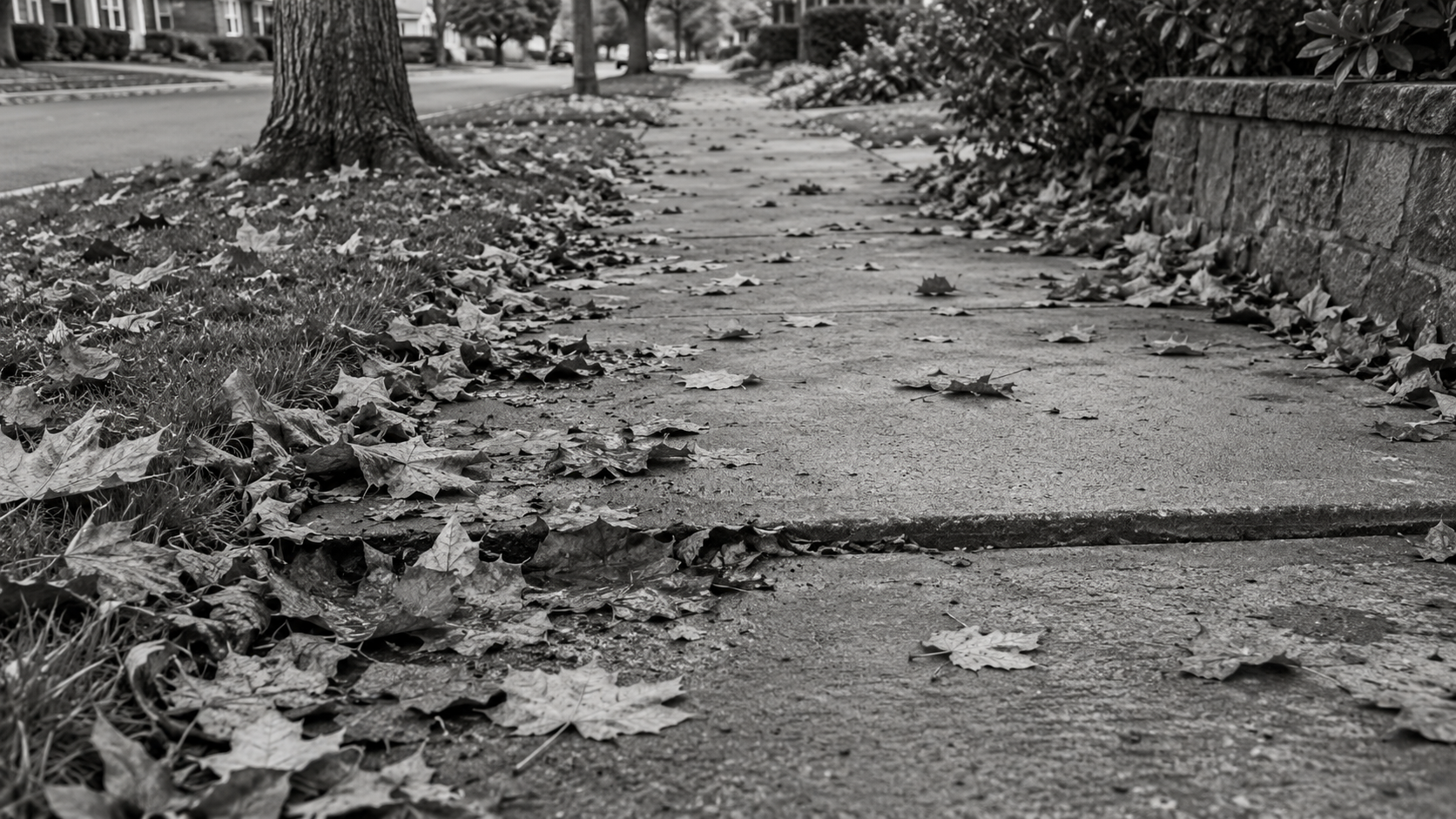
A fall on leaf-covered walkways deserves a closer look at the surface and the property's maintenance. Leaves may create a slippery area or conceal a defect that visitors cannot readily see. I would begin with your account and investigate what made that route unsafe, then identify who was responsible for addressing the condition.
For many premises claims, the evidence must show that the responsible party knew about the danger or should have discovered it through reasonable care. That is often called notice. My role is to uncover the maintenance history and build the evidence that supports your claim. A photograph is a useful starting point, and records or earlier observations may help show how the problem developed.
Earlier reports can help establish what the property knew
An earlier complaint may show that management had an opportunity to address the danger. The report of your fall can help establish the location and the people who responded. I would consider both sets of records to build a timeline of the condition and the property's response.
You are unlikely to know what earlier visitors told the property manager. That is information a lawyer can investigate through records and witness accounts. If an insurer questions notice, I would look for the facts needed to answer that challenge rather than expect you to know the property's maintenance history.
How long were the leaf-covered walkways unsafe?
The relevant question is whether the responsible party had a reasonable opportunity to discover and address the condition. Evidence from an earlier inspection or a person who used the walkway before you may help establish that opportunity. The time needed to respond depends on the circumstances, so I would investigate the particular route and hazard.
I would look for reliable information about the period before the fall. A recording might show when the walkway became covered. A witness might remember seeing the same condition earlier. Those facts can help us assess whether there was a reasonable opportunity to discover and address it.
Photographs become more useful when we can place them on a reliable timeline. Keep the originals and explain when they were taken. I would compare them with available video and witness observations to show the condition as clearly as the evidence permits. That context can help answer questions about how long the walkway was unsafe.
What if the cleanup itself created the problem?
The analysis may change if an employee created the dangerous condition. For example, there may be evidence that leaves were placed across a customer walkway during cleanup. That presents a different question from leaves newly blown there by the wind.
New Jersey's premises-liability model charge recognizes circumstances in which separate proof of notice is unnecessary because the defendant created the unsafe condition. I would investigate how the cleanup was performed and whether it contributed to the fall. Establishing that connection may provide an important basis for pursuing the claim.
A recurring accumulation deserves attention too. Earlier complaints or repeated cleanup in the same place may help explain what the property knew about the problem. I would use that history to investigate whether reasonable precautions were taken, applying the notice rules to the evidence rather than relying on the season alone.
The leaves may be hiding a different defect
A raised section of pavement or a hole may be difficult to see under leaves. If that was what caused the fall, its history may matter separately from the history of the leaves. A prior complaint about broken pavement could be relevant even if the leaves arrived more recently.
If photographs can be taken safely, include the route as well as the immediate spot. Keep the scene as it is and explain if anything was moved afterward. Your safety comes first. We can consider other ways to document a concealed defect if approaching or exposing it would put someone at risk.
Identifying the party responsible for the walkway is part of my work. Ownership records, maintenance agreements and the way the property operated can help establish who had the duty to act. If a contractor was involved, I would examine its role as well so that the investigation reaches the people responsible for the condition.
How do we address a condition you could partly see?
Seeing leaves and being able to recognize the danger beneath them are different things. I would look closely at what was visible, what was concealed and the route you were expected to use. Visibility and comparative fault can affect a claim, but the full circumstances deserve review before an insurer's position is accepted.
Explain what you saw and what happened as you remember it. If the leaves concealed a pavement defect, that distinction may be significant. My job is to put your experience into the context of the scene and supporting evidence so that the actual hazard is understood.
Protect the deadlines while the evidence is developed
A public sidewalk is not automatically a claim against a government entity. The responsible parties and duties must be identified. If a public entity or employee may be involved, special Tort Claims Act requirements can apply, including a notice deadline generally measured at 90 days after accrual of the claim.
Early advice helps identify and protect the applicable deadlines while your treatment continues. A report to maintenance staff and a formal public-entity notice serve different purposes. If public involvement is possible, I would examine the notice requirements promptly, including any exceptions or late-notice issues that need individual review.
You can bring the photographs and information you have, even if the maintenance history is still unknown. Investigating that history is part of building the case. I would explain what we learn and the next steps toward presenting the claim supported by your circumstances.
Sources and Further Reading
About Michael B. Fusco
Michael B. Fusco is a New Jersey personal injury attorney certified by the Supreme Court of New Jersey as a Civil Trial Attorney. Read Mike’s biography and credentials.
Questions About Your Injury?
This article provides general information, not legal advice about your circumstances. If you have questions about this injury or another New Jersey personal injury matter, I’m happy to discuss them with you. Call Fusco Law at 732-465-8733 or request a consultation through our contact form. Reading this article or submitting a form does not, by itself, establish an attorney-client relationship. Please do not send confidential information through the form.