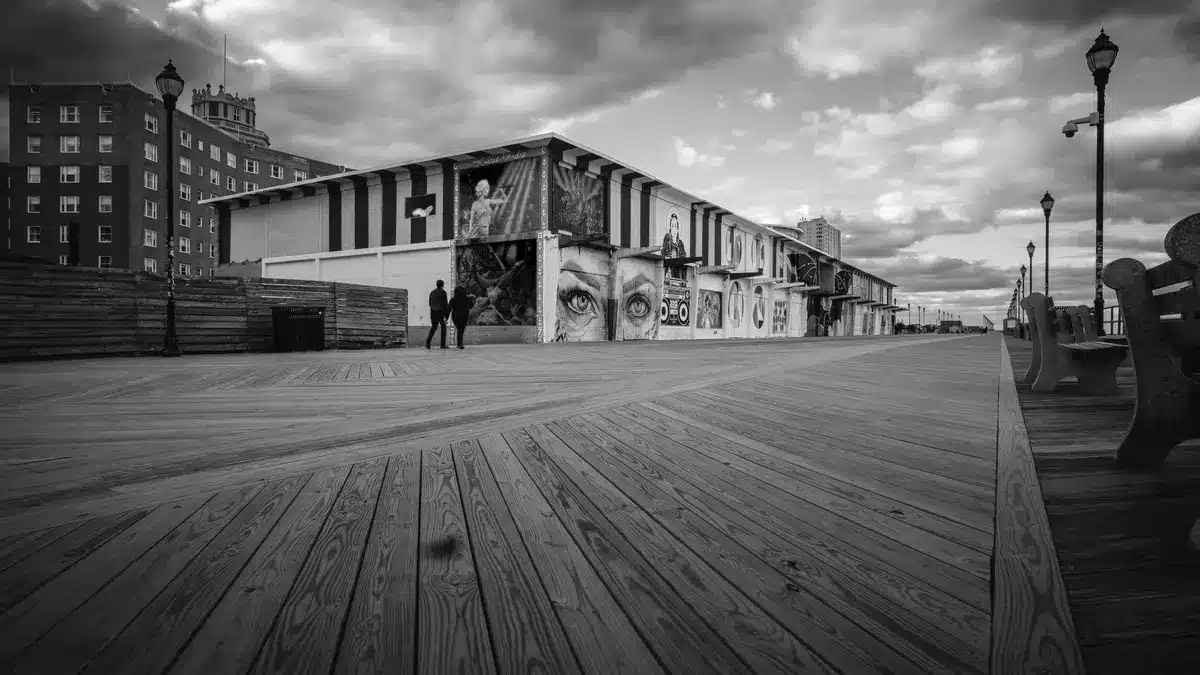
Who may be responsible for a boardwalk injury?
A boardwalk injury at the Jersey Shore may involve a private business, an amusement operator or another party controlling the activity or area. The exact location and cause matter more than the general description that it happened on the boardwalk. A restaurant entrance and a public walkway may be only a few feet apart but involve different legal responsibilities.
A careful investigation can identify the business or operator responsible for keeping a visitor's path safe. I would begin with what happened and where, then determine who controlled the condition. This article focuses on private-business situations, while recognizing that public ownership must be checked promptly because it can trigger different rules and short notice deadlines.
Identify the precise location and activity
To a visitor, a boardwalk district may feel like one continuous destination. In practice, storefronts, decks and entertainment areas may have different owners or operators. A business name on a receipt can help identify where you were, but it may not identify the company responsible for every nearby area.
Photographs showing the wider setting can be useful alongside close views of the condition. Preserve the address, the name of the business and any incident-report information. If you were using a ride or entering an event, keep the ticket or electronic confirmation as well.
The immediate cause guides the investigation. A fall at a wet entrance raises different questions from an equipment malfunction. A complete account helps determine which records and parties are relevant without assuming that the municipality or the nearest business must be responsible.
Examine the private business's control
A business generally owes reasonable care to its customers under the applicable premises-liability principles. The investigation may address whether it created a hazard, knew about it or should have discovered it through reasonable care. The details depend on the condition and the legal duty involved.
Control is important. A tenant may manage an interior or entrance while another company handles a common area. Lease provisions and actual maintenance practices can help clarify those arrangements. The business's informal description of responsibility should be checked against the available records.
A contractor may also be involved, but its role needs to be established specifically. The fact that someone performed work near a boardwalk injury does not by itself show that the work caused it. The scope and timing of the work can help connect a party to the condition that mattered.
Preserve evidence of how the hazard developed
Video may show a spill occurring or employees responding to a condition before the fall. A witness may have observed the same defect earlier. Inspection or maintenance records may provide additional information about what the business knew and when.
Those materials can disappear with ordinary operations. Video systems may overwrite recordings, and temporary conditions may be corrected quickly. Promptly identifying possible evidence allows counsel to consider a targeted preservation request and the appropriate follow-up.
Do not place yourself at risk to collect photographs. If you already have images, keep the original files. An accurate report of the incident and witness contact information can provide a useful starting point when the injured person could not document the scene personally.
Treat rides and organized activities separately
An amusement-ride incident may require review of operating procedures, maintenance and the equipment involved. New Jersey regulates carnival and amusement rides, and the applicable requirements may provide important context. A regulatory inspection does not automatically decide whether reasonable care was used in the particular event.
Preserve the ride's identifying information and report the incident through the appropriate channels. If an operator gives you a document to sign, obtain a copy and understand what it is before assuming it is merely an incident report.
Other activities may involve a rental company or event organizer. Their duties depend on the service and the circumstances. The legal analysis should follow the actual activity rather than treat every boardwalk attraction as the same type of claim.
Check public involvement without losing sight of private parties
Some boardwalk property is publicly owned. New Jersey's Tort Claims Act may then impose special requirements, including a notice period generally much shorter than the ordinary lawsuit deadline. An incident report should not be assumed to satisfy a statutory notice requirement.
That issue needs early attention even when a private business is involved. Public ownership of part of a destination does not answer every question about a private operator's conduct. Conversely, the presence of a private storefront does not make an adjacent public walkway private property.
I would identify those boundaries and evaluate the parties separately. That preserves a realistic view of the legal options without promising that a public-property claim follows the same rules as a private-business case.
Present the injury and the responsibility together
Once the responsible parties are investigated, the medical evidence still needs to explain the injury and its consequences. Seek appropriate care and describe the event accurately to your providers. Keep the treatment history connected to the actual symptoms and limitations you experience.
An insurer may raise questions about attention, footwear or visibility. Those issues should be considered in context with the condition and the business's conduct. An early accusation of shared fault is not the end of the evaluation.
A boardwalk injury can involve unfamiliar ownership arrangements, particularly for a visitor from another town. You do not need to resolve those arrangements before asking for help. The useful first step is a timely review of the location, the cause and the evidence that may identify the responsible private parties.
Sources and Further Reading
About Michael B. Fusco
Michael B. Fusco is a New Jersey personal injury attorney certified by the Supreme Court of New Jersey as a Civil Trial Attorney. Read Mike’s biography and credentials.
Discuss Your Personal Injury Questions
If you have questions about an injury in New Jersey, I am happy to discuss what happened and the options the facts may support. You do not need to have every document or answer before contacting us. Call 732-465-8733 or contact Fusco Law for a free personal injury consultation.
General Information
This article provides general information, not legal advice for a particular situation. Laws and policy terms must be applied to the actual facts. Reading this article or contacting the firm does not, by itself, create an attorney-client relationship.