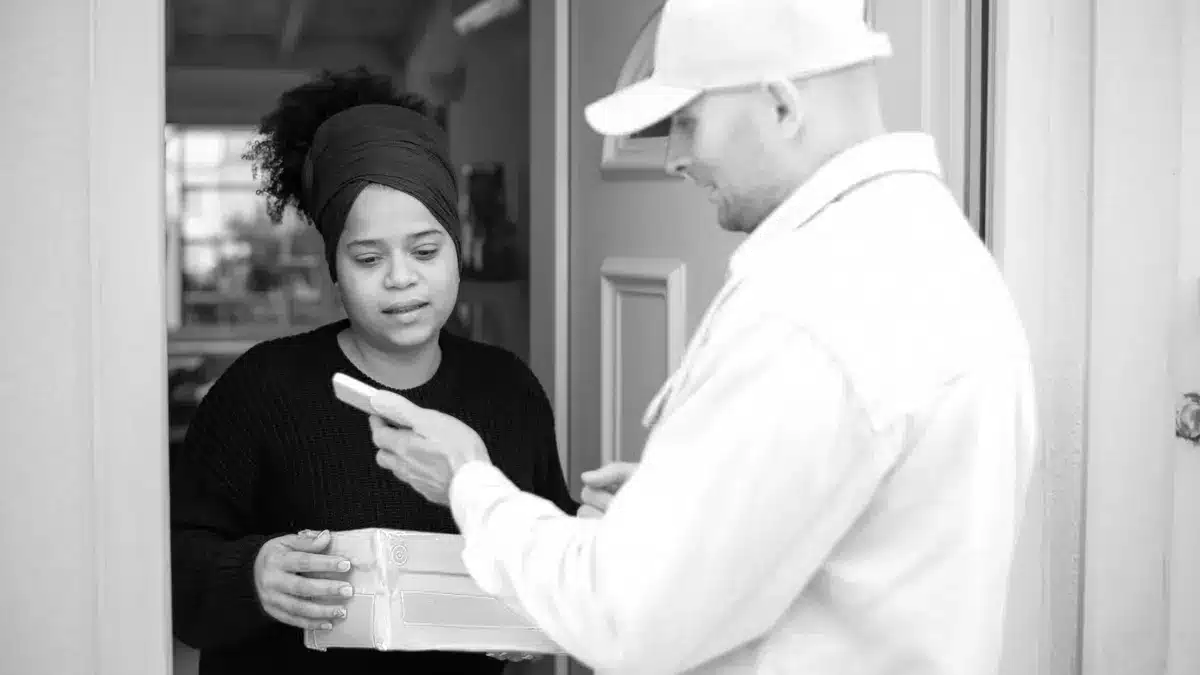
A delivery driver injury needs more than one insurance question
A delivery driver injury can involve a claim against the person who caused the accident and separate questions about benefits available through work or insurance. I would begin with what happened during the particular delivery. The company named on the app is part of the review, but it does not identify every possible source of recovery.
Your delivery work deserves a full review of the protections available after an injury. A contract describing you as an independent contractor does not, by itself, answer every legal question. The relevant law and the actual work relationship matter. Different benefit systems can apply different standards.
That review should be practical. A person recovering from an injury should not have to resolve an employment-classification dispute before learning whether another driver's insurance or a property claim may help.
Establishing the stage of the delivery
The timing of an app assignment can affect coverage. There is a difference between being offline, waiting for an offer and carrying out an accepted delivery. I want the records showing the actual sequence, rather than relying on a general statement that you were working that day.
Save the order details and any messages about the delivery. If the app provides a trip or payment history, preserve the relevant entry while it remains available. Keep the original information where possible, including dates and times. A screenshot can be helpful, but a cropped image may leave out context needed later.
If you were using more than one platform, explain that accurately. There may be overlapping timelines to reconstruct. The purpose is to determine which coverage terms apply to the event, not to force the facts into a preferred insurance category.
Investigating the person who caused the injury
If another motorist caused a collision, working for a delivery platform does not erase the potential injury claim against that motorist. The usual investigation still matters. A witness or camera may help establish vehicle movements when the drivers give different accounts.
An injury during a pickup or drop-off may instead involve a dangerous property condition. In that setting, I would examine the route you were expected to use and who controlled it. A delivery instruction directing you to a particular entrance can be relevant to understanding why you were there.
Responsibility is not established merely because an accident happened at a business. The evidence must connect the condition and the responsible party to the fall. Photographs taken safely, an incident report and the identity of someone who saw the condition can provide a useful beginning.
Reading the coverage rather than assuming it
A personal automobile policy may have terms addressing business use or deliveries. A platform may provide a separate insurance program. Those documents need to be read together, including the definitions governing when a particular form of coverage begins and ends.
Liability insurance protecting a driver against claims by other people is not necessarily coverage for that driver's own medical bills. Occupational accident insurance is also not simply another name for workers' compensation. A program's benefit limits and conditions should be identified before anyone assumes that a bill will be paid.
Ask for a written explanation of a denial and preserve the policy documents. An insurer's first response identifies its position; the language and facts still need review. Giving accurate information about the delivery activity is important even when the coverage question is uncomfortable or uncertain.
Considering employment status carefully
New Jersey has protections addressing worker misclassification. However, a test used for wage or unemployment purposes should not automatically be substituted for the test governing a workers' compensation claim. The legal issue must be matched to the benefit being requested.
I would look at how the work was actually arranged and what control existed over its performance. The agreement is relevant evidence, but it is not the only evidence. Questions requiring a compensation or employment-law determination may call for coordination with counsel handling that part of the matter.
This distinction helps avoid two opposite mistakes: assuming the platform owes every benefit, or assuming that an independent-contractor label ends the inquiry. A careful review can identify the strongest available path without promising a result before the necessary facts are known.
Showing the effect on your earnings
App income often varies from week to week. A useful wage-loss presentation should explain your established work pattern before the injury and the medical restrictions that affected it afterward. Payment histories can help distinguish a real loss from an ordinary slow period.
Gross receipts are not always the same as net earnings. Operating expenses and work you were still able to perform may matter. I would rather develop a supported calculation from the records than multiply one unusually busy week across the entire recovery period.
Keep records of delivery income and tell your providers what the job requires. Driving for several hours may present different limitations from carrying groceries up stairs. That connection between the medical restriction and the actual work helps explain the loss in a way an insurer can evaluate.
If you were hurt while delivering, bring the information you already have. The initial review can identify urgent notices, available coverage and evidence worth preserving. You do not need to arrive with the entire claim already organized.
Sources and Further Reading
About Michael B. Fusco
Michael B. Fusco is a New Jersey personal injury attorney certified by the Supreme Court of New Jersey as a Civil Trial Attorney. Read Mike’s biography and credentials.
Discuss Your Personal Injury Questions
If you have questions about an injury in New Jersey, I am happy to discuss what happened and the options the facts may support. You do not need to have every document or answer before contacting us. Call 732-465-8733 or contact Fusco Law for a free personal injury consultation.
General Information
This article provides general information, not legal advice for a particular situation. Laws and policy terms must be applied to the actual facts. Reading this article or contacting the firm does not, by itself, create an attorney-client relationship.