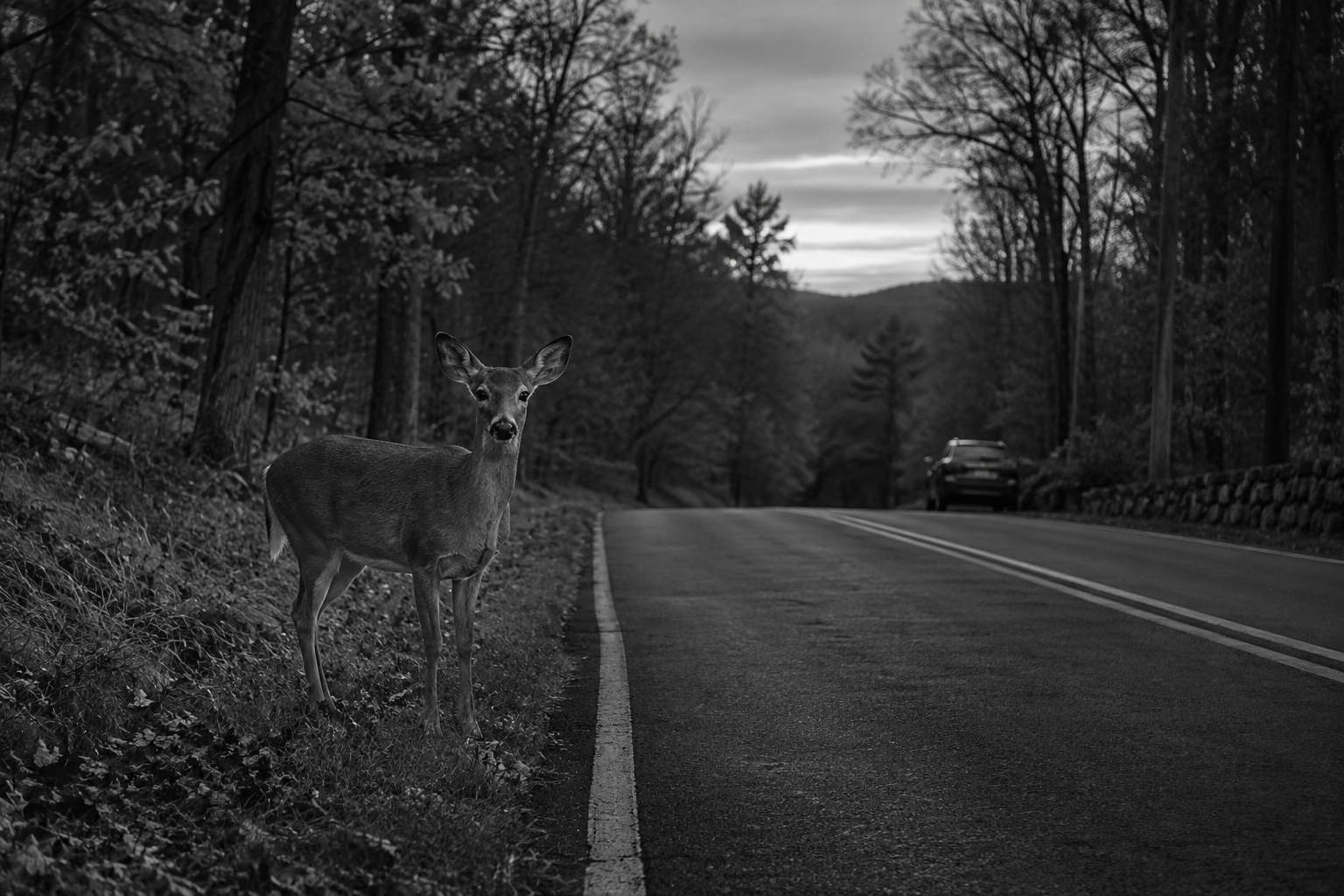
What caused the deer-related collision?
A deer-related collision deserves a careful investigation, particularly when another vehicle was involved. A driver following too closely or failing to respond reasonably may contribute to an injury even though a deer started the sequence. I would examine each impact so that an important part of your claim is given the attention it deserves. Where the animal alone caused an unavoidable impact, insurance benefits may still warrant review even if a negligence claim against another driver is unavailable.
My job is to look beyond the label of a deer accident and find the evidence that explains how you were hurt. If a following vehicle struck your car after you stopped, I would investigate that driver's approach and opportunity to react. The account of the accident should explain that second collision as carefully as the first one.
How do we evaluate a driver’s response?
I would examine the driver's response in the context of the available warning, speed and following distance. A sudden hazard is part of that analysis, but we also need to understand the driving that preceded it. Looking at the full sequence gives us a fair basis to identify conduct that contributed to the collision.
If a vehicle swerved into an oncoming lane, the available space and timing may help explain whether the response was reasonable. Witness observations can point us toward the details that need investigation. I would compare those observations with recordings and physical evidence to develop a supported account of how the vehicles came together.
What evidence helps explain a deer-related collision?
Photographs of the damage can help distinguish animal contact from a later vehicle impact. Wider scene photographs may explain the roadway and final positions. If police documented physical material on the vehicle, that record may also help establish what was struck. Do not approach an injured animal or enter traffic to obtain evidence.
Video can be particularly useful because these events develop quickly. Keep the original dashcam recording, including the period before and after the collision. A short edited clip may omit the following distance or initial movement that explains the later impact. The vehicle itself may also contain relevant data, so inspection needs should be discussed before repairs or salvage disposal.
How can we identify available insurance benefits?
I would review insurance alongside the collision investigation so we can identify available benefits promptly. Physical damage from animal contact may fall under comprehensive coverage, depending on the policy. A separate collision during an evasive maneuver may involve a different coverage. Reviewing the deductible and the applicable terms helps explain which claim should be presented and what it covers.
Medical benefits and a claim against another driver deserve their own attention. PIP, where applicable, can address qualifying expenses while responsibility for the collision is investigated. An animal itself is not an uninsured motorist, but another driver's involvement may create coverage questions worth pursuing. The actual policies help us identify the routes to recovery that fit the circumstances.
How can early action protect your claim?
Early work can protect the evidence needed to tell your side of the story. I would identify available video and address inspection of the vehicles before repairs or disposal make the investigation harder. We can take those practical steps while the details of responsibility are still being developed.
That investigation should connect each vehicle's movement with the injury. If another driver contributed to the collision, the aim is to establish that contribution with evidence that can support the claim. I would explain the findings as they develop and discuss the next step with you, including any separate insurance benefits available under the policies.
How should the collision timeline be reconstructed?
A deer-related collision may involve several impacts only seconds apart. I would separate what the driver saw before braking from what witnesses observed after the first impact. Someone who heard the crash and then looked toward the road may accurately describe the final positions without having seen how the event began. That distinction should appear in the investigation rather than disappear inside a general statement that the witness saw the accident.
A dashcam's timing can often be checked against another reliable reference, such as the emergency call or the sequence of the recording. Keep the original file when available. It may preserve details that help us compare accounts and establish where each vehicle was before the impact. Checking those details strengthens the foundation for using the recording.
What if the vehicle has already been moved or repaired?
Moving a disabled car to a safe place does not prevent an investigation. Safety comes first. The important next step is to find out what still exists. A repair facility may have photographs taken before disassembly, an estimate showing the damaged areas or records identifying parts that were replaced. Those materials may help explain a deer-related collision even when a full inspection is no longer possible.
Tell your lawyer where the car is being held and whether disposal has been discussed. A prompt preservation request can help protect the opportunity for an inspection. A qualified person can assess whether relevant vehicle data remains available. NHTSA explains that event data recorders capture a limited period around certain crashes, so the inspection should focus on what that particular vehicle can tell us.
How should injuries from a deer-related collision be documented?
Your injury deserves the same careful attention as the collision itself. I would use the medical records to understand your treatment and the effect on your daily life, while the vehicle evidence helps explain how the impact occurred. Bringing those parts together helps present the full claim rather than allowing one part of the story to overshadow another.
Describe your symptoms and difficulties to your treating professional in ordinary terms and follow the medical guidance given to you. Keep records of missed work and explain what happens when you try to resume your usual duties. Those details help show what recovery has involved. My role is to connect that experience with the supporting records so its significance is understood.
What can a police report establish after a deer-related collision?
A police report is a useful place to begin because it may identify the drivers, witnesses and location. I would read the narrative carefully to distinguish the officer’s observations from statements provided by others. An officer who arrives afterward may document damage personally while relying on a driver to describe where the deer first entered the road. Both pieces of information matter, but they come from different sources.
If the report contains a material mistake, I would identify the supporting evidence and consider the appropriate way to address it. A photograph of the lane configuration or a witness's account may help clarify what occurred. Keeping the original report and any supplement lets us explain the correction and preserve a clear record.
A civil investigation can develop evidence beyond what was available to police at the scene. Whether a traffic ticket was issued is only part of the background. I would examine the actual conduct and its connection to your injury, including recordings or other information obtained after the initial response.
Why does the location of the damage matter?
Different areas of damage may help separate the stages of a deer-related collision. Front-end damage associated with animal contact presents a different question from rear damage associated with a following vehicle. The condition of the car cannot always answer those questions on its own. Prior damage, repairs and the way vehicles moved after contact may affect the interpretation.
Photographs of the whole vehicle, together with closer views of the damage, can help reconstruct the sequence. Repair records may add useful detail about the affected parts. When an important issue calls for technical analysis, I would consider a qualified expert who can address that issue with the available evidence.
The effect on an occupant deserves a medical evaluation of its own. A repair estimate measures work on the vehicle; it does not fully describe what happened to the person inside. I would bring the collision evidence and medical evidence together so that the injury is evaluated on its actual effects.
What if the drivers remember the event differently?
Conflicting recollections are not unusual after a deer-related collision. A person may be concentrating on the animal while another person is watching the car ahead. Their accounts can differ because they observed different parts of the same event. I would first identify exactly where they disagree before deciding whether an independent source can resolve the issue.
For example, one driver may remember braking immediately while a witness remembers seeing brake lights only near the point of impact. The witness’s viewing angle and the visibility of those lights matter. The driver’s memory of acting quickly also needs to be compared with the available recording or physical evidence. Neither account should be accepted or dismissed merely because of who provided it.
Tell me what you remember and identify any parts that remain unclear. It is normal to have questions after a sudden collision. Those gaps help direct the investigation toward witnesses or records that may fill them. You can begin the conversation with the information you have.
How do we separate coverage questions from settlement questions?
After a deer-related collision, repairs and injury recovery may proceed through different claims. I would help separate those issues so that the handling of the car does not overshadow the injury. Reviewing the applicable coverages and claim correspondence helps identify what can be addressed now and what requires further investigation.
Read the document being presented before signing a release. I would want to know which claims and parties it addresses, rather than assume it relates only to the repair estimate because that was the subject of the conversation. The language of the actual agreement matters. If you have questions about what it would resolve, obtain advice before signing.
The New Jersey Department of Banking and Insurance’s automobile insurance resources explain the different types of coverage and provide consumer guidance. Those resources are useful background, but the declarations and policy forms for the vehicles involved still need to be reviewed. Coverage advice for a deer-related collision should be based on the applicable policy and circumstances.
When does an expert become useful?
An expert can be useful when the sequence of impacts or the meaning of vehicle data requires technical explanation. I would identify the disputed issue and consider who is qualified to address it. A focused analysis can help make important physical evidence understandable and provide support for the account we present.
A sound reconstruction explains both its findings and the information supporting them. I would want to understand the measurements and assumptions so that the opinion can be evaluated and defended. Where a fact remains disputed, examining how it affects the analysis helps us prepare for the questions the other side may raise.
Electronic evidence should receive that same careful treatment. A qualified person can determine what the particular system recorded and how it relates to the collision. The value lies in using the available information accurately, alongside the physical damage and witness accounts, to explain the event.
What should you bring to a deer-related collision consultation?
Bring what you have to a deer-related collision consultation. I can help identify what needs prompt attention and which additional records should be sought. If the car is scheduled for salvage disposal or a recording may soon be overwritten, mention that early so preservation can be considered while the evidence is still available.
A copy of the report, available photographs and insurance correspondence can help. If you have an original recording, preserve it and explain how it was obtained. There is no need to edit it into a presentation. Tell the lawyer whether you have already provided a recorded statement or signed any document concerning the event so those materials can be reviewed in context.
I would also ask about your treatment and the difficulties you are experiencing now. That conversation helps make sure the investigation addresses the effect on you as well as the cause of the crash. As your medical picture develops, we can review how the new information affects the claim and the decisions ahead.
How does the investigation affect the value of a claim?
A careful investigation gives us the foundation to pursue the value supported by a deer-related collision claim. I would develop the evidence of responsibility and document the injury's effects, while also investigating the available coverage. Each part matters to presenting a claim that reflects what happened to you.
Some facts will be clear early; others take records or testimony to establish. My responsibility is to do that work and explain what it adds. When a point is disputed, we can identify the evidence needed to address it rather than let an unresolved question become the end of the conversation.
The discussion about value should develop with the evidence. I would explain the strengths of the claim and the work still underway so you can make informed decisions. A dependable assessment takes preparation, and the purpose of that preparation is to advocate for the recovery your case supports.
Related reading
Sources and further reading
About Michael B. Fusco
I am Michael B. Fusco, a New Jersey personal injury attorney Certified by the Supreme Court of New Jersey as a Civil Trial Attorney. My approach is to investigate the facts carefully and explain what the evidence supports. Read my biography and credentials.
Discuss your personal injury questions
If you were injured and have questions about your options, I am happy to discuss them with you. Bring the information you have, and we can talk about the work needed to investigate and pursue an appropriate personal injury claim. Contact Fusco Law or call 732-465-8733.
This article provides general information and does not constitute legal advice. Every matter depends on its facts and the applicable law. Contacting the firm does not by itself create an attorney-client relationship.