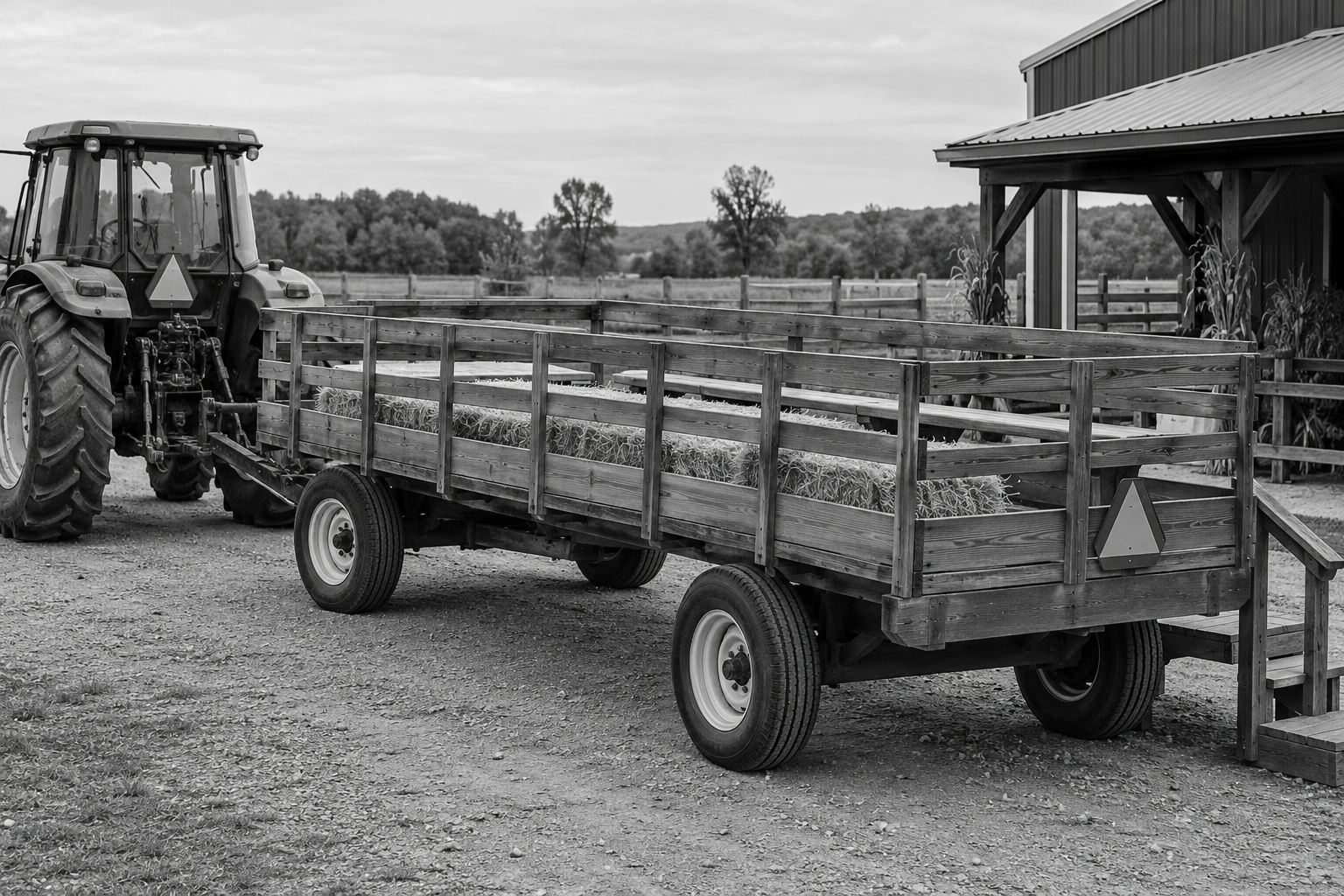
Who may be responsible for a commercial hayride injury?
A commercial hayride injury deserves a close look at the operation, equipment and route. I would identify the businesses involved and investigate how the incident happened. If unsafe operation or defective equipment contributed, the evidence needs to connect that failure with the responsible party and your injury.
A thorough review of the ride can help connect your injury with the people responsible for its safe operation. A boarding fall and an injury during a turn call for different evidence. Starting with the event itself helps focus the work on the issues that can support your claim.
Examine safety beyond the ordinary movement of the ride
Ordinary movement on a farm ride is different from unsafe operation or an equipment failure. I would examine the particular incident to identify that distinction. The relevant question is whether a failure to meet the applicable duty contributed to the injury, and the ride's expected movement is part of that context.
Instructions and warnings can help explain what passengers were expected to do and whether that was practical during the ride. I would review them together with how the ride operated. That gives us a fuller account of the precautions taken and the conditions passengers actually experienced.
What commercial hayride evidence should be preserved?
The exact tractor and wagon should be identified promptly. Photographs may establish seating and barriers, but an inspection may be necessary if a component failed. Repairs or a later change in the setup can make it difficult to determine the condition at the time.
The route can also explain the incident. A slope or turn may need to be considered with the vehicle’s movement and load. Video taken by another guest may help establish timing. Keep original recordings where available and make clear whether a photograph shows the ride before or after a change.
How do we identify the responsible companies?
Rental and operating agreements may show who supplied the equipment and who was expected to maintain it. The actual instructions given to the driver can explain operational control. A contract is important, but it should be compared with what occurred at the site.
A qualified equipment inspection can help establish whether a component failed and how that related to the incident. The inspection should distinguish damage that caused the event from damage resulting from it. Answering that question carefully can provide valuable support for a claim involving maintenance or a product defect.
Which insurance applies?
I would investigate the commercial coverage that may apply to the ride and the businesses involved. A tractor and wagon on private land can raise different coverage questions from an ordinary passenger car. Reviewing the actual policies helps identify the available sources of recovery and the requirements for presenting the claim.
Keep the ticket and any waiver so its effect can be reviewed under the applicable law. That document is part of the investigation alongside the equipment and operational evidence. I would explain the issues it raises and the steps toward pursuing the claim supported by your circumstances.
Related reading
Are Seasonal Farm and Event Workers Employees or Independent Contractors?
Sources and further reading
About Michael B. Fusco
I am Michael B. Fusco, a New Jersey personal injury attorney Certified by the Supreme Court of New Jersey as a Civil Trial Attorney. My approach is to investigate the facts carefully and explain what the evidence supports. Read my biography and credentials.
Discuss your personal injury questions
If you were injured and have questions about your options, I am happy to discuss them with you. Bring the information you have, and we can talk about the work needed to investigate and pursue an appropriate personal injury claim. Contact Fusco Law or call 732-465-8733.
This article provides general information and does not constitute legal advice. Every matter depends on its facts and the applicable law. Contacting the firm does not by itself create an attorney-client relationship.