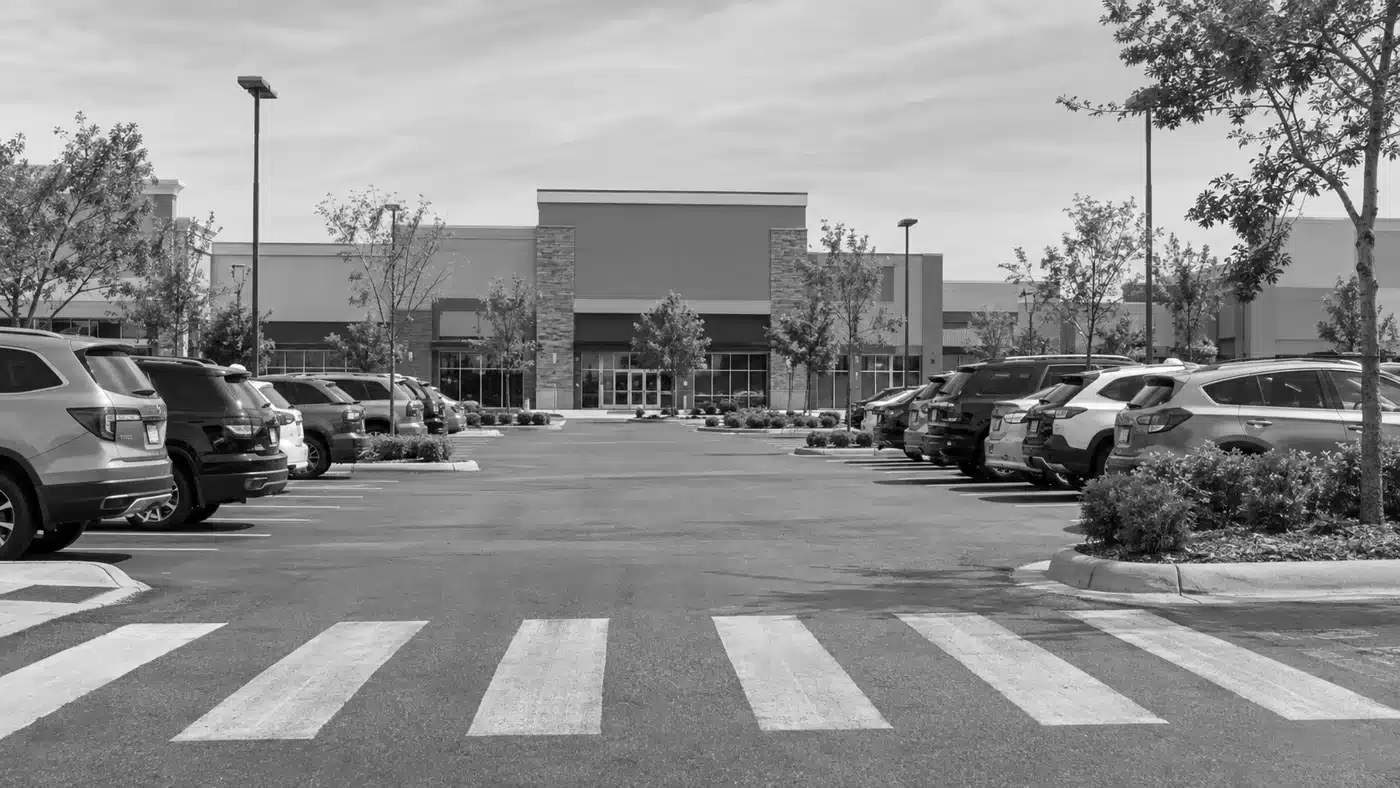
Why a beach parking lot crash needs its own investigation
A beach parking lot crash may happen at a relatively low speed, but that does not tell us everything about the injury or who was responsible. Drivers may be backing from spaces while other vehicles move through narrow aisles. Pedestrians may be crossing between parked cars. Understanding those movements is more useful than assuming that every parking-lot accident is minor.
A careful investigation can explain a parking-lot collision even when the drivers initially disagree about what happened. I would start with the layout and the sequence of movement, then compare the accounts with photographs and any available recording.
The medical issue should be evaluated separately. The amount of visible damage to a vehicle is one fact. It is not a substitute for examining an injured person or considering the medical evidence.

Reconstruct how the vehicles approached each other
The place where the vehicles stopped may not be where they first made contact. A driver may move to clear an aisle or reach a safer location. Tell the responding officer or your lawyer if that happened, and preserve any photographs taken before the vehicles moved.
The direction of travel also matters. Was one vehicle backing from a space? Was another turning into the aisle? Did someone stop before the impact? These are factual questions. The answers should come from what you remember and what the evidence shows, not from a rule of thumb about who usually causes this kind of crash.
Photographs of the aisle markings and nearby signs may help. A wider view showing the driver's approach can be more informative than several close-up photographs of a bumper. If a witness saw the movement before impact, obtain contact information rather than relying on the hope that the person will be easy to find later.
Backing up is important, but it does not decide every case
A driver backing from a space must take reasonable care. The other driver also has responsibilities. Speed, lookout and the opportunity to respond may be relevant to both vehicles. We need to examine the circumstances before deciding how fault should be allocated.
New Jersey uses comparative-fault principles. A disagreement about your conduct does not automatically eliminate a claim, but the allocation of fault can affect recovery. That is a reason to develop the evidence carefully rather than accept an insurer's initial percentage without understanding its basis.
Ask for the explanation behind a liability decision. If the insurer relies on a photograph or statement, we should review it in context. An incomplete account can sometimes be clarified through additional evidence. The goal is an accurate assessment supported by the facts.
Beach traffic can affect visibility and movement
An open lot early in the morning may become congested later. Larger parked vehicles can obstruct sightlines. People carrying beach equipment may emerge from between cars, and a line at an exit may leave little room to maneuver.
Those conditions do not excuse careless driving. They help explain the care required in that setting. A driver's decision to proceed should be evaluated in light of what was reasonably visible and the movement that could be anticipated.
If a private operator directed traffic or created a particular arrangement, its role may also warrant review. That does not mean the parking business is responsible for every collision on its property. There must be evidence connecting its conduct or a condition under its control to the injury.
Keep the investigation centered on your health
Seek appropriate care and explain the mechanism of the collision. Tell your provider where you were seated and what symptoms you noticed. If a new limitation becomes apparent after returning to work or normal activities, discuss it at the appropriate follow-up appointment.
Do not assume you must wait for the liability dispute to end before exploring medical coverage. New Jersey auto claims often involve personal injury protection, commonly called PIP, but eligibility and payment priority depend on the vehicle and available policies. Your lawyer can help identify the coverage questions that need attention.
Keep written denials and benefit explanations. If a provider is billing the wrong carrier or missing claim information, that may be a problem that can be addressed. It is different from an insurer making a supported decision that a particular benefit is unavailable.
Preserve video before ordinary business routines erase it
A parking operator or nearby business may have a camera, but there is no assurance that it covers the aisle or retains footage for a long period. Promptly identifying the location and time gives a preservation request a better chance of reaching useful evidence.
A request should be focused enough to identify the event and broad enough to include the approach and aftermath. Your lawyer may need to use formal procedures to obtain a copy. Preservation and production are separate steps.
If no recording exists, that does not end the investigation. Witness accounts, vehicle photographs and the physical layout may still provide a reliable explanation. We should work with the available evidence rather than assume a case depends entirely on one camera.
A report is a starting point
Review the accident report with your lawyer and identify any factual error you notice. Explain the basis for the correction. Do not try to reshape a recollection to fit a diagram or make a disputed point sound more certain than it is.
A beach parking lot crash deserves the same careful attention to injury and responsibility as another collision. The setting changes the evidence we need to examine. It should not be used as a reason to dismiss a person's medical concerns before they have been evaluated.
Sources and Further Reading
About Michael B. Fusco
Michael B. Fusco is a New Jersey personal injury attorney certified by the Supreme Court of New Jersey as a Civil Trial Attorney. Read Mike’s biography and credentials.
Discuss Your Personal Injury Questions
If you have questions about an injury in New Jersey, I am happy to discuss what happened and the options the facts may support. You do not need to have every document or answer before contacting us. Call 732-465-8733 or contact Fusco Law for a free personal injury consultation.
General Information
This article provides general information, not legal advice for a particular situation. Laws and policy terms must be applied to the actual facts. Reading this article or contacting the firm does not, by itself, create an attorney-client relationship.