Protecting Genuine Accident Photos
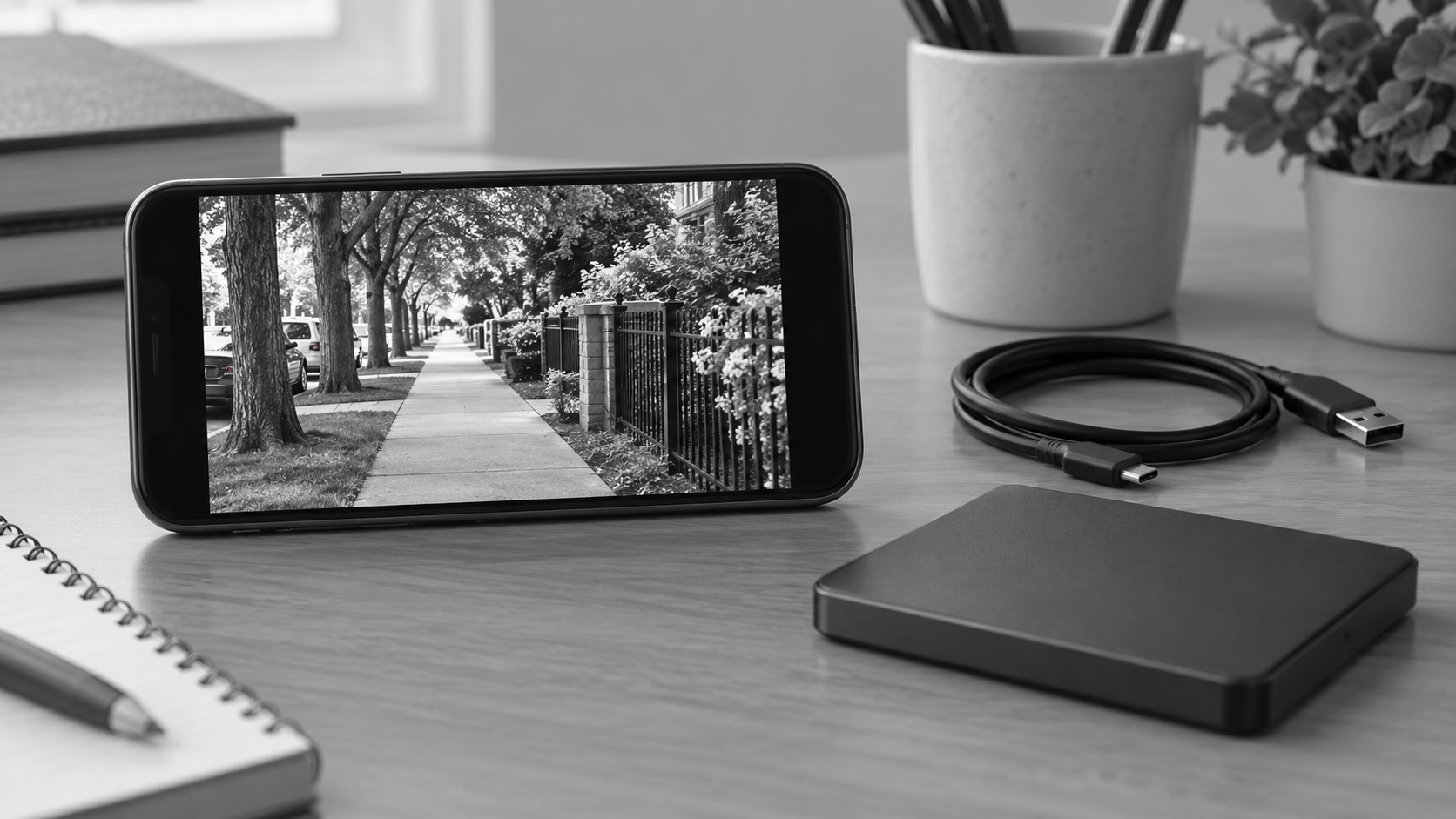
Accident photos can be important evidence even when someone later questions whether an image was altered or generated by AI. The useful response is to preserve the original and establish where it came from. I would want to know who took the photograph, what it depicts and how it moved from the camera to the copy being discussed. A challenge should be answered with a reliable foundation rather than an argument about appearances alone.
Keeping the original photograph gives us a stronger foundation for explaining what you saw and why it matters. Your own account may provide part of that foundation. The device, surrounding images and other records may supply additional support where a particular detail is disputed.
Keep the Original Separate From Working Copies
A phone may store an original image while a text message delivers a smaller or modified version. Save both if they are relevant, but identify which is which. A screenshot of a photograph can be useful for a quick conversation without being the best available evidence file.
Do not overwrite the only copy with annotations or filters. If arrows or labels would help explain a condition, they can be placed on a separate working copy. The original should remain available so the underlying scene can be examined without the added markings.
That distinction also applies to automatic image-processing features. Phones routinely process photographs, and some tools offer more substantial alterations. Tell your lawyer what was used rather than assuming that a change is either legally meaningless or fatal to the image. The nature and purpose of the change need to be understood.
Your Testimony Can Help Establish the Foundation
New Jersey's authentication rule generally requires sufficient evidence that an item is what its proponent says it is. A person who took a photograph or observed the depicted scene may be able to provide important testimony. Technical analysis is not automatically required for every ordinary image.
Explain what you personally know. If you received the picture from someone else, identify that person and preserve the message that accompanied it. Do not present a forwarded image as one you personally took simply because it appears to show the same incident.
The account should be specific where memory permits and candid where it does not. An approximate time can be described as approximate. Supporting records may clarify it later. Accuracy about the limits of memory is more useful than a precise answer chosen without a reliable basis.
Metadata Can Support the History Without Deciding Everything
A digital file may contain information about capture time, device or location. Other useful information may remain in the photo library or cloud account. That material can help establish a sequence, but settings and later transfers can affect what appears in a particular copy.
Missing location information does not automatically mean a photograph is unreliable. A service may remove embedded fields or the phone may not have recorded them. The collection history should be examined before anyone attributes significance to an absent field.
Likewise, a technical fingerprint can show whether a file changed after a documented point in time. It does not, by itself, prove that the scene was genuine when the file was first created. Different methods answer different questions, and an explanation should keep those limits clear.
Answer a Specific Authenticity Challenge
If an insurer or opposing party questions an image, ask what feature or record supports the concern. A vague suggestion that AI exists should not replace a focused examination of the actual photograph. The response can then address the issue with the original and its surrounding evidence.
Some disputes may justify a qualified forensic review. Others may be resolved by the photographer's testimony, another view of the scene or a clear transfer history. I would match the effort to the issue rather than assume every challenge calls for expensive testing.
Automated detection tools also have limitations. A score from an online detector is not a substitute for a validated method and an explanation of its reliability. Uploading private evidence to an unfamiliar service can create unnecessary privacy and handling concerns as well.
Preserve the Scene's Context, Not Just a Single Frame
Nearby photographs may show the approach to a hazard or the surrounding lighting. They can help explain a close-up that otherwise appears ambiguous. Keep the sequence, including images that initially seem less dramatic, so the event can be understood fairly.
A photograph captures a moment rather than the full course of an injury. Medical records and testimony may be needed to explain what followed. The image should be used for the fact it actually supports, without overstating what can be inferred from it.
If you are unsure whether a file is the original, keep the versions you have and explain where they came from. A lawyer can help identify a sensible collection plan. The objective is to preserve useful evidence and give your account a fair, verifiable presentation.
Sources and Further Reading
About Michael B. Fusco
Michael B. Fusco is a New Jersey personal injury attorney certified by the Supreme Court of New Jersey as a Civil Trial Attorney. Read Mike’s biography and credentials.
Discuss Your Personal Injury Questions
If you have questions about an injury in New Jersey, I am happy to discuss what happened and the options the facts may support. You do not need to have every document or answer before contacting us. Call 732-465-8733 or contact Fusco Law for a free personal injury consultation.
General Information
This article provides general information, not legal advice for a particular situation. Laws and policy terms must be applied to the actual facts. Reading this article or contacting the firm does not, by itself, create an attorney-client relationship.